Place Recovery
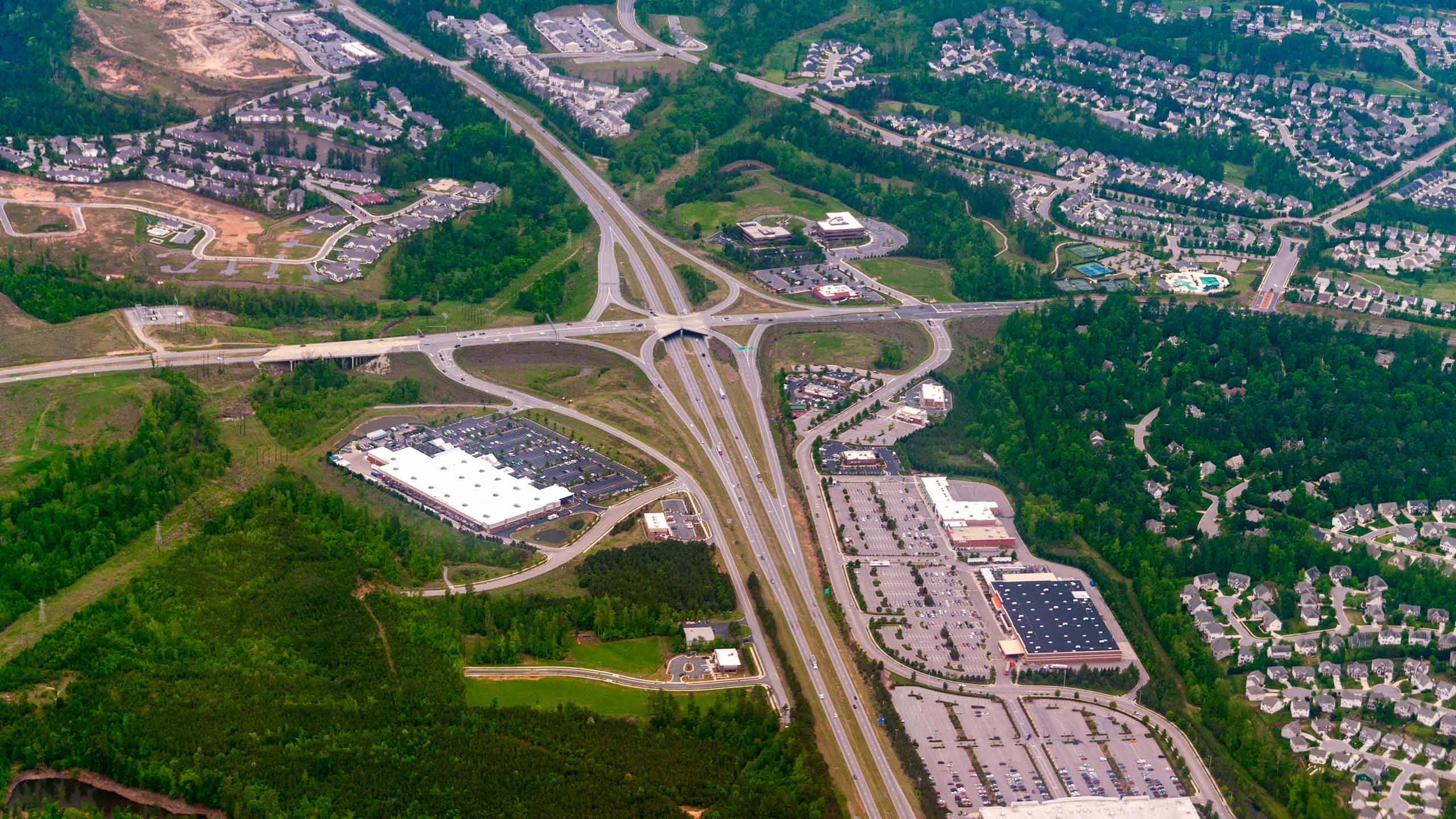
We embarked nearly two decades ago on a quest to figure out what we now call Sprawl Recovery, because the Ponzi scheme of sprawl will eventually bankrupt every US city built primarily on sprawl, as Charles Marohn and Joe Minicozzi have long illustrated. This makes the extreme makeover of recovery from the strong additction to sprawl America's largest community-rebuilding challenge. Our Disaster Recovery work began in 2005 when we were thrust into the middle of the Hurricane Katrina recovery effort. Of those years of work that followed, many lessons were learned, including learning first how to design and build the Tiny Homes known as Katrina Cottages, and later SmartDwellings. More recently, we've been involved in Disinvestment Recovery efforts to help places recover from decades of decline, but without the plague of displacement that almost always comes with gentrification. Climate Refugee Recovery is our most recent type of Place Recovery, as it has become clear that as climate change advances and people leave where they have long lived in search of a better home that is more sustainable, we need to have tools for creating their new neighborhoods in the cities and towns which welcome them. The sections that follow describe the top principles on which each of the four recovery efforts should be based. Click the links above to go to the recovery type pages. And please help us out in the comments that follow if you feel we're missing something even more important.

Common Tools
Sprawl recovery, disaster recovery, the recovery of places from serious disinvestment fueled by steep inequities, and making places for families and larger communities fleeing climate change seemed like four great but separate challenges until recently. Taken individually, each challenge seems too daunting, especially in an age when local and state/provincial governments are struggling financially. But over time it became clear that most of the processes and tools applicable to any one of the four challenges could be calibrated for the other three as well, and that each of the four is a seedbed of new tool development that could aid the others. These are the four most important tools, but you'll see several others with strong similarities in each of the four recovery types.

12-Step Recovery Programs
This image should be the icon of every place recovery program; it is the Boll Weevil Monument in Enterprise, Alabama. An angelic figure holds aloft a bronze sculpture of the boll weevil, the creature whose infestation destroyed the theretofore thriving cotton industry in the region. But in the aftermath of that plague, farmers turned to peanut farming, which led to far more prosperity than cotton ever delivered in that part of the state. The monument signifies the region's gratefulness for the disaster that led to far better things than it destroyed. When disaster strikes and it seems as if all is lost, hold your boll weevil aloft (whatever it actually is) and purpose that the recovery from your disaster will also lead to far better things.
12-step recovery programs are the centerpieces of each of the place recovery types for these reasons:
First of all, pretty much everyone is familiar to some degree with the 12-step program of recovery from alcohol addiction inaugurated by the founders of Alcoholics Anonymous and spun off into countless other 12-step programs in the century since, so it is no stretch to understand that the difficulties faced in each four of the place recovery types isn't just random bad luck, but is based at least in part on an addiction of some sort.
Next, while there are a few similarities between these 12-step programs and AA's original steps, the commonalities are strong across all four types of place recovery, with some steps the same in most or all of the types. For example, Step 1 in all four recovery programs is the establishment of civic space. This should come as no surprise since civic space is the foundational place where neighbors gather, and central to the creation of community, a core purpose of urbanism.
In times of trouble from which people are seeking recovery, there is little patience among most for a lot of theory, scolding, or other longwinded discussion; most people say "just tell us what to do so we can get to work rebuilding our world." That's what the 12 steps do for each of the recovery types: lay out a recipe for recovery, or an algorithm if you prefer. Either way, it's a clear path of action.
Finally, one core belief embedded in the original 12-step program and directly embodied in all four of these recovery programs is the fact that we're all in this together. So it's people helping people by sharing useful stuff.
Tactical Takeoff
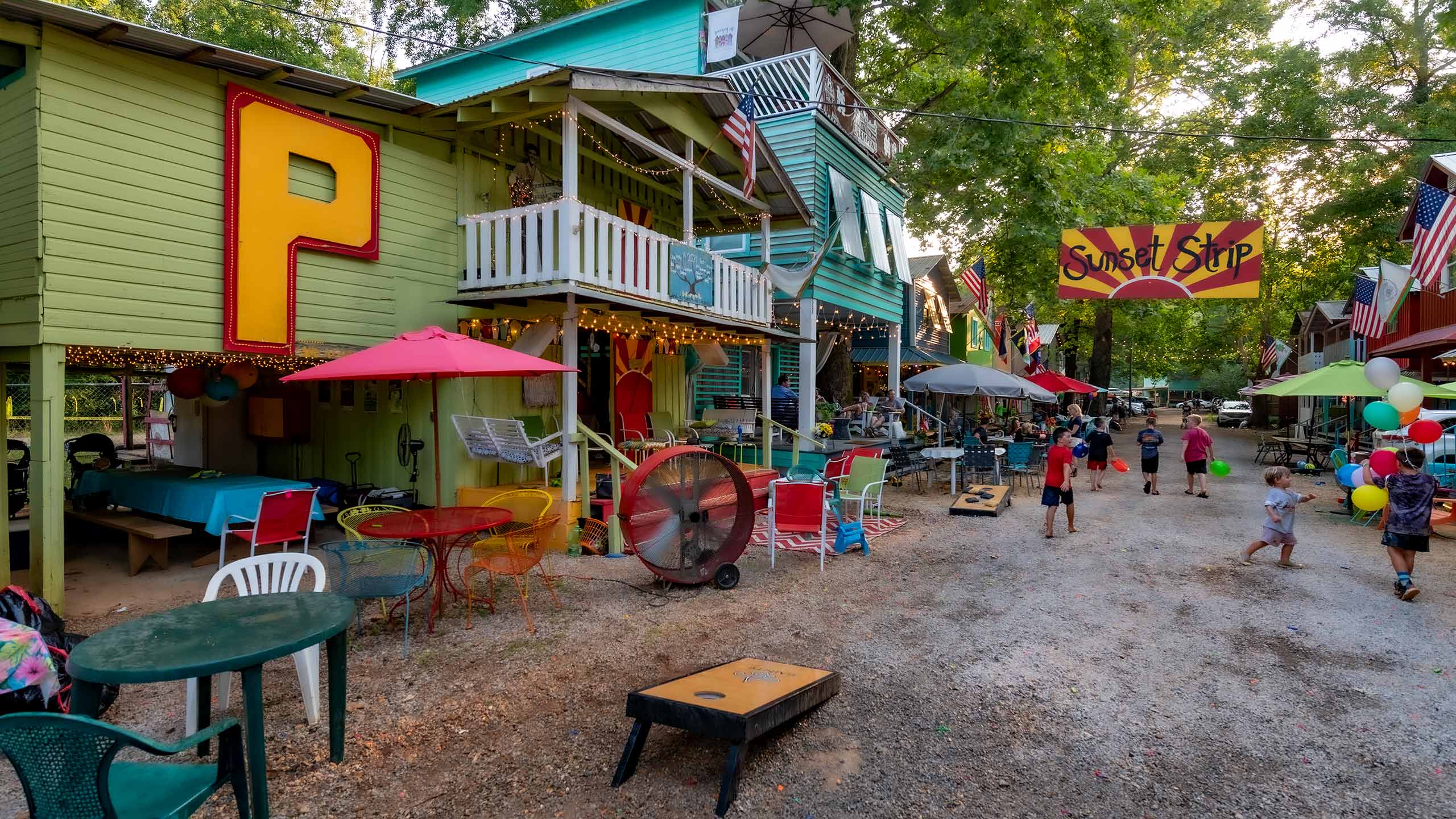
Every form of recovery begins in a challenging setting. Starting with Tactical Urbanism makes a lot of sense on several counts, including the fact that you only need volunteer help, not trained builders, and the materials are usually quite inexpensive and sometimes even free. And the interventions can easily be adjusted if needed.
Tactical Urbanism begins with "short-term action that leads to long-term change" according to Mike Lydon and Tony Garcia, who wrote the first books on the movement. Their four steps begin with demonstration projects, which can take from a day to a month and are very low-cost or sometimes free. Pilot projects follow, which can take from a month to a year, and are always sanctioned by the city. Next is interim design, which is city-led, and which leads to the mature condition, which requires long-term capital.

Economic Recovery
All four of the crises from which places are seeking to recover carry with them economic trouble. It is therefore essential that recovery plans begin with business plans. Urban plans often gather dust and create little action, while business plans tend to gather supporters and create real change. Recovery efforts often focus on "how are we going to get funded?" But this is different; this type of business plan focuses first on how to get the local economy back in operation again in a healthy and sustainable way.
After a hurricane in a fishing town where people love to fish and to enjoy their catch, disaster experts think "since that's the local diet, we need to ship in a lot of fish," but that's the exact wrong thing to do. Instead, do everything possible to get local fishermen back on the water fishing again.
Each of the four types of business plans vary according to their challenges, but share these goals: local first, ultra-low restarting thresholds, and short, resilient trade loops. Each type of crisis has a limited shelf life of news coverage, then people move onto something else. Not long after the initial coverage fades, communities quickly discover that help is no longer on the way. So a business plan for recovering from the ground up is essential.
Frontage Recovery
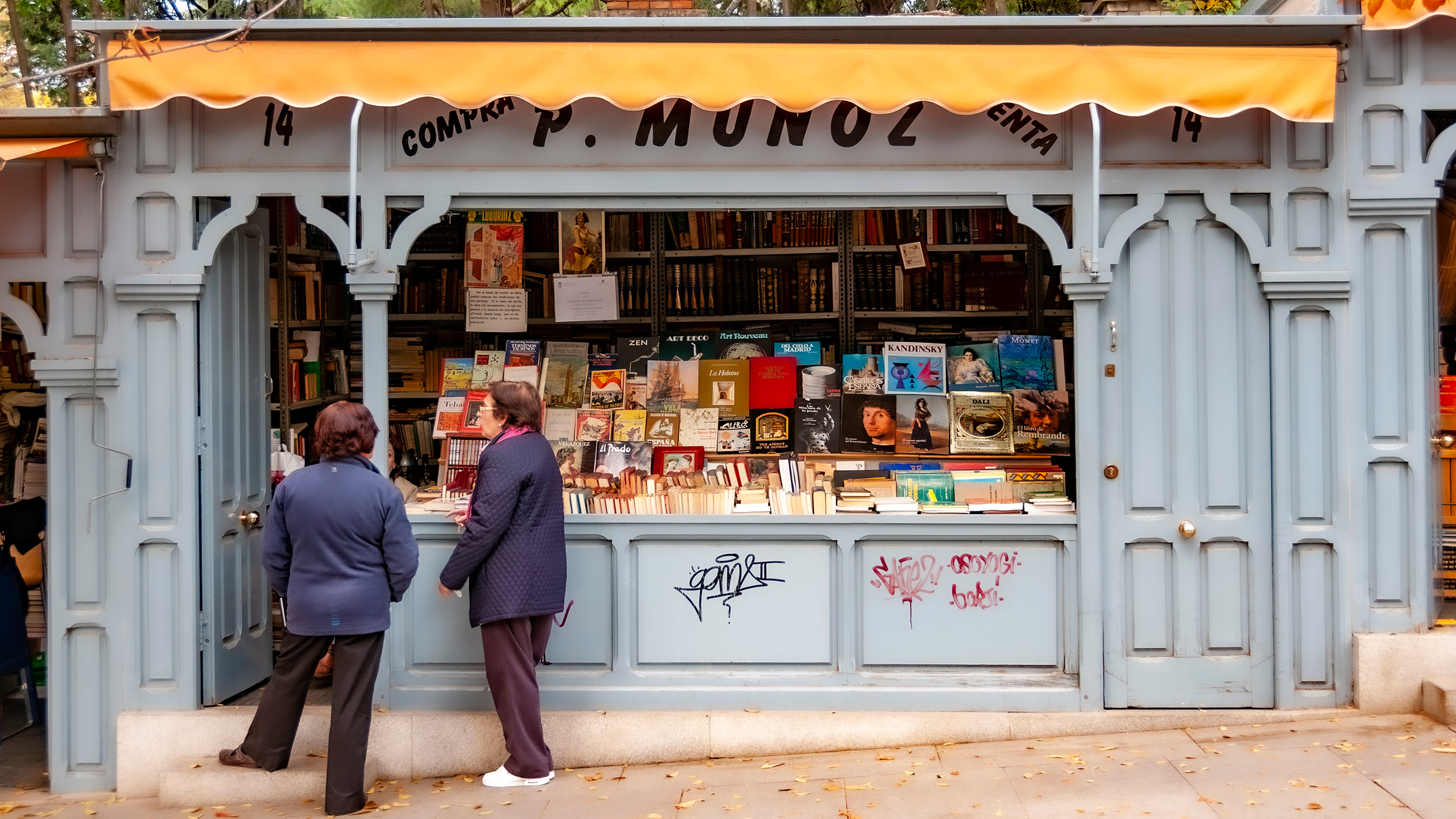
Recovery of a place begins with the thinnest of interventions: shopfronts and other workplaces can be as little as 8 feet deep. What seems weakest is actually strongest, as nothing is so interesting to people walking on the street as what happens in that first 8 feet. In the beginning, the frontages can be occupied with highly mobile businesses like food carts, then replaced with constructed shopfronts like the one in this image as the food carts are reused down the street. Eventually, as the recovery gains strength, the frontages can eventually be occupied with more robust buildings.

Apolitical Projects
The highest standard of Place Recovery tools and techniques are those that do not depend on government funding. Work hard to think of things that can take on a life of their own and keep going profitably, no matter who gets elected. In order for this to happen, contenders for apolitical projects should be things the people of a place can mostly agree on, a high standard that is more difficult than it once was.
Search the Original Green Site
Buy the Original Green book on Amazon

Rather Buy Indie?
Contact Sundog Books at Seaside, which is our favorite bookstore ever!
Speaking
I speak on the Original Green across the US and abroad. Would you like for me to speak (via Zoom these days) at your next event?
Got an idea?
If you have an idea for a story, or know about work we need to feature...
Subscribe
... to receive periodic Original Green news releases. Here's our full Privacy Policy, where you'll see that we will not share your info with anyone else, nor will we sell it to anyone. All three fields required.
Home
Origins
Foundations
Nourishable Accessible Serviceable Securable Lovable Durable Adaptable Frugal Education Economy Culture Wellness
Resources
Original Green Scorecard Initiatives Presentations Reading List Quotes Links Tweetroll
Stories
OGTV
Media Room
Bios Press Speaking
© 2021 Mouzon Design, Inc.