
Learning Society
Some may ask why learning is the first foundation of a sustainable society today, but the answer is easy. Just ask anyone with children at home who's moving to a new city where they're looking for a place to live, and almost without exception, they'll say "the best school districts." In the mid-nineteenth Century, education across the US was fairly consistent, but in recent decades it has become very spiky, with schools of strikingly different quality not so far apart. Had the foundations of a sustainable society been organized a century ago, learning might not even had made the list, but now it's the most important thing for parents with children.
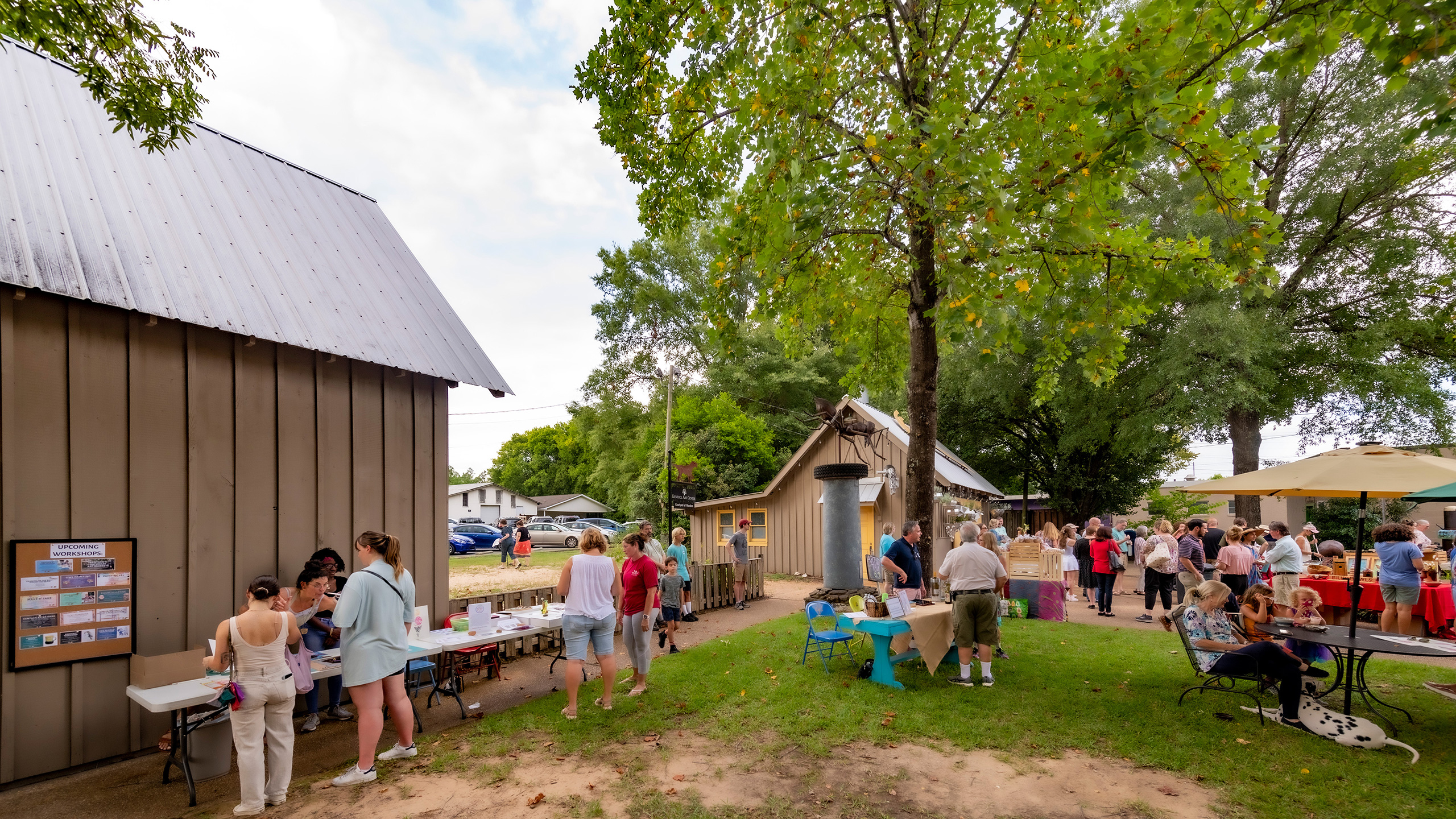
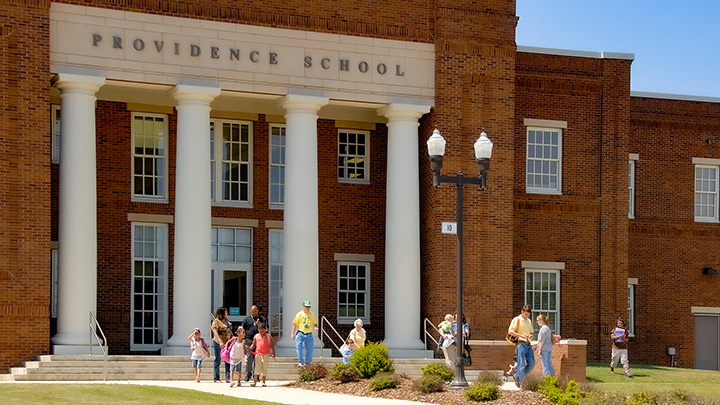
This is Providence Elementary School, a public school in Huntsville, Alabama, which is where I was born and raised. These principles of a learning society, the conditions that ensue, and the tools that support the conditions can all work in public schools, in private schools, and in unconventional schools that do not fit neatly into the US public or private school models. These principles, conditions, and tools do not replace what schools are already doing well; they are things that are usually missing which should be added to the educational experience.
Learning Principles
This section is about learning principles, not school principles, because the term "school" narrows it down in the minds of millions to the binary choice of "public or private," which are two of many settings in which people can learn throughout life.

Lifelong Curiosity
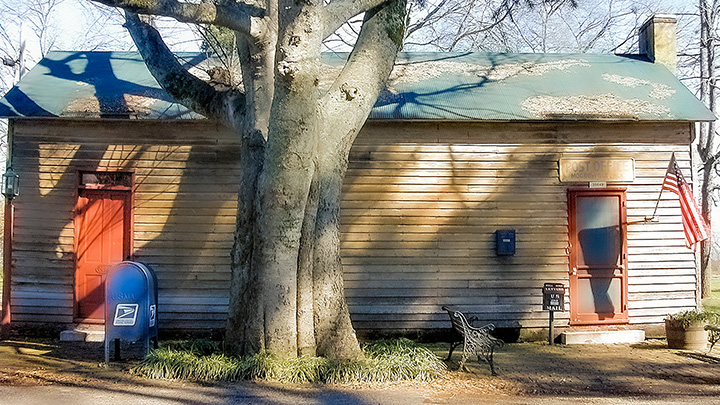
Lifelong learning begins with carrying curiosity as deeply as possible into life. When you hold onto curiosity passionately, you see things you can't explain and instead of just noting to yourself "that's weird," you adopt the mystery and take it home with you, giving it a place to live in your mind, like I did with the Mystery of Mooresville. Two dozen years later when someone said the fateful words that unlocked the mystery, I pounced, knowing this was what I'd been looking for all those years. And it changed so much in my work from that day forward. Look for curiosity impediments in all that you do and work to root them out, understanding that they are obstacles standing between you and your best life.
Rote learning leads to the "right answer;" curiosity leads to great questions if you feed it well. In all the learning settings below, ask yourself "are we feeding curiosity with what we're doing here?"
School Scales
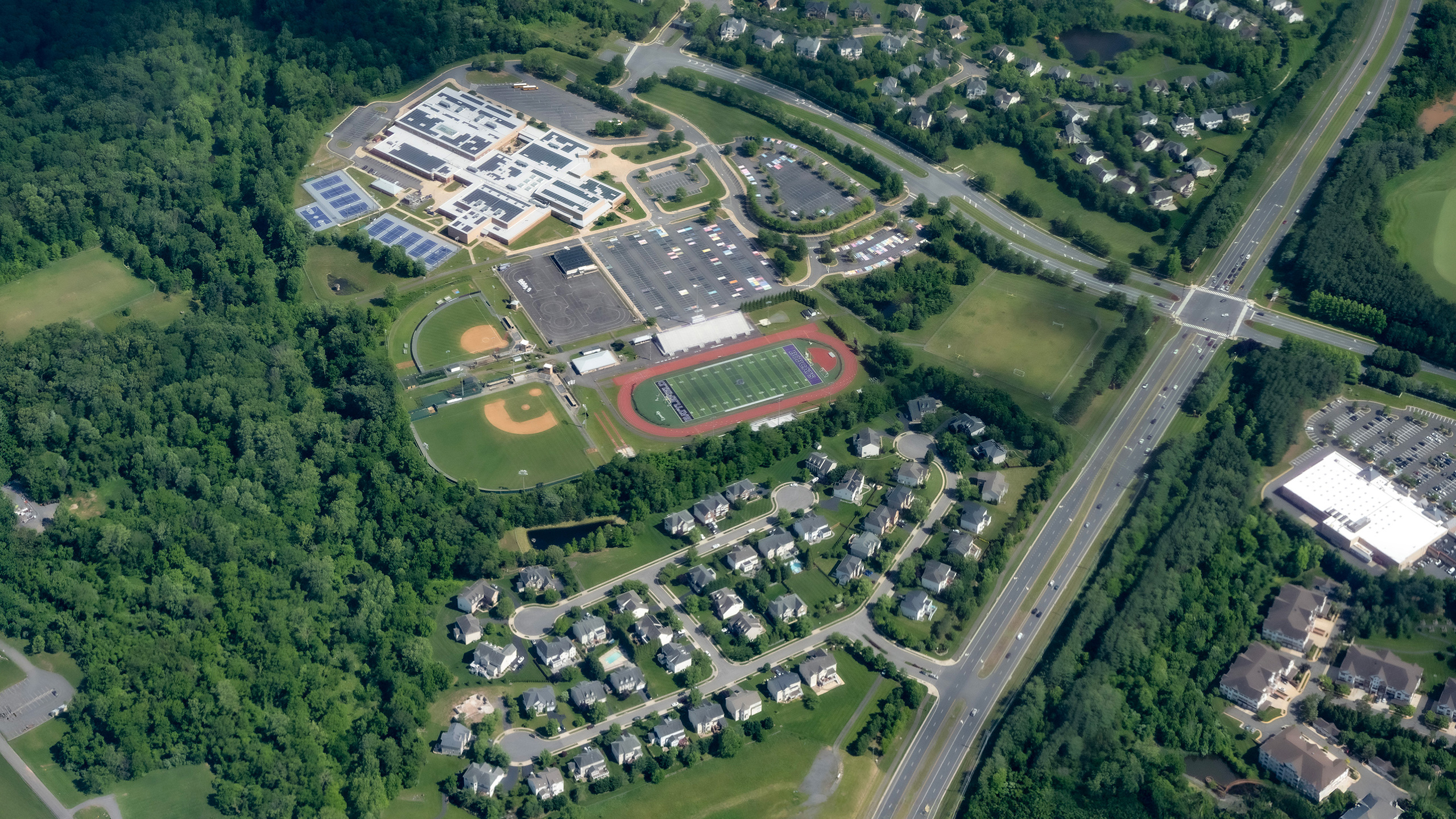
Conventional public education has adopted the industrial scale of operations, with mega-schools out on the highway with supercenters, mega-churches, and the like all acting as major agents of auto domination, leaving no chance of sensible self-propelled transportation (walking, biking, and the like) if you're going home or anywhere else. Even when subdivisions and shopping centers are nearby as shown here, there is no paved path upon which to get there safely. Every assumption guiding elementary and secondary education is based on single settings, which culls so many other settings that could produce valuable learning experiences.
Incremental Growth
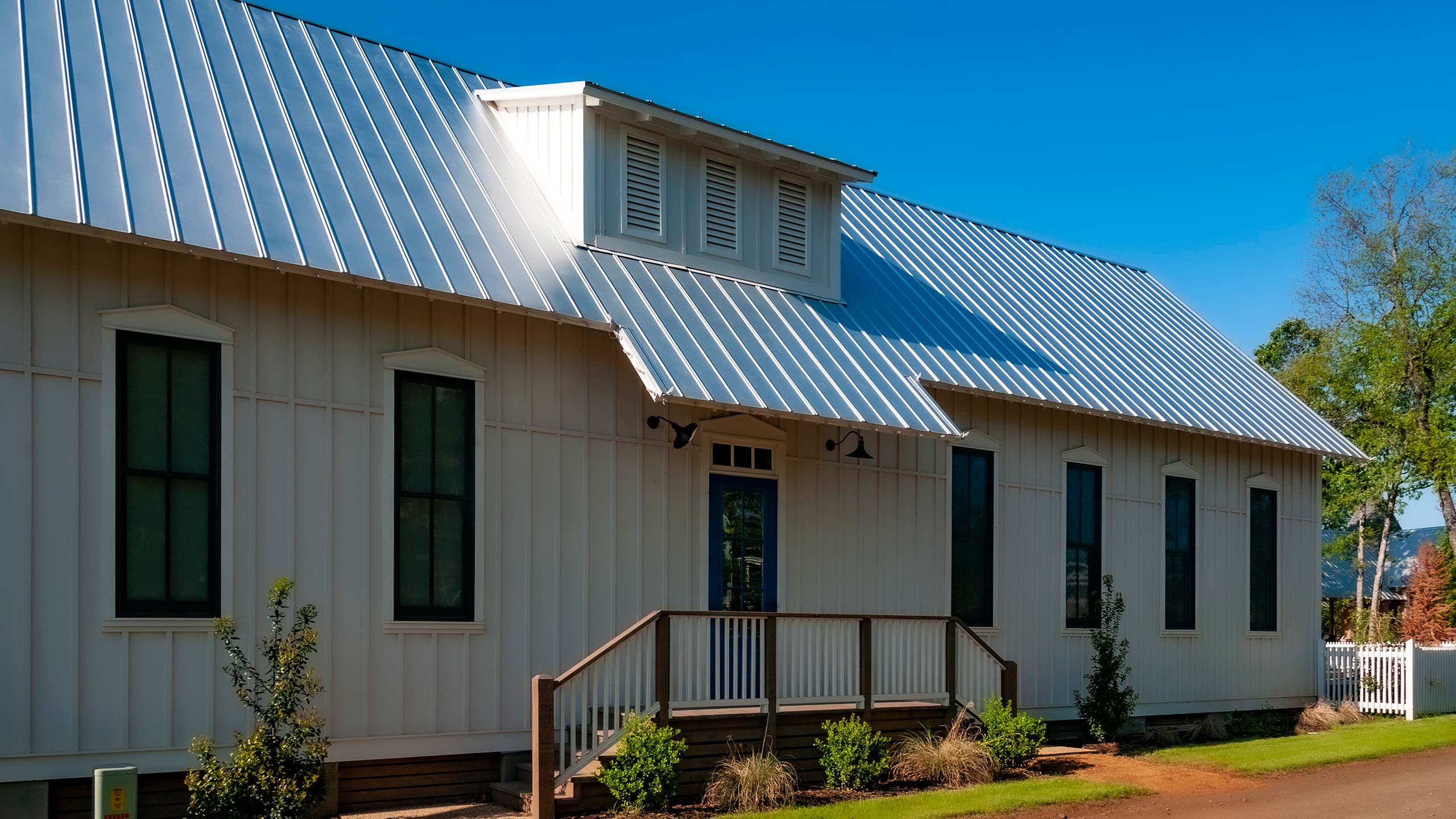
The Learning Cottages are Tom Low's advancement of Katrina Cottages as a modern-day recall of the one-room schoolhouse of early American origins. They are also Incremental Development tools, able to be deployed one cottage at a time, then moved around as needs require. One potential arrangement goes back to Thomas Jefferson's design of The Lawn at the University of Virginia, framed by learning pavilions.
Neighborhood Schools
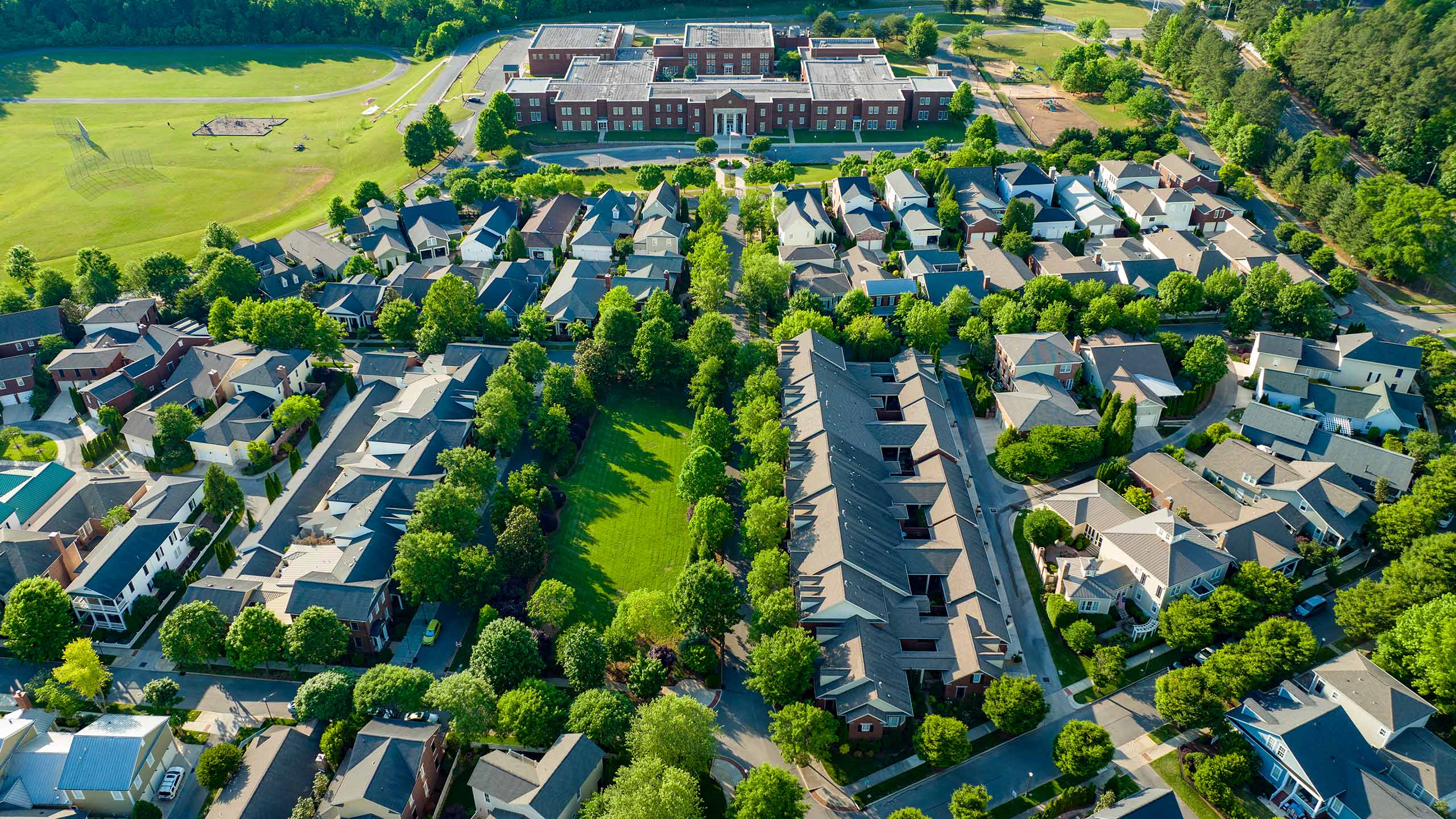
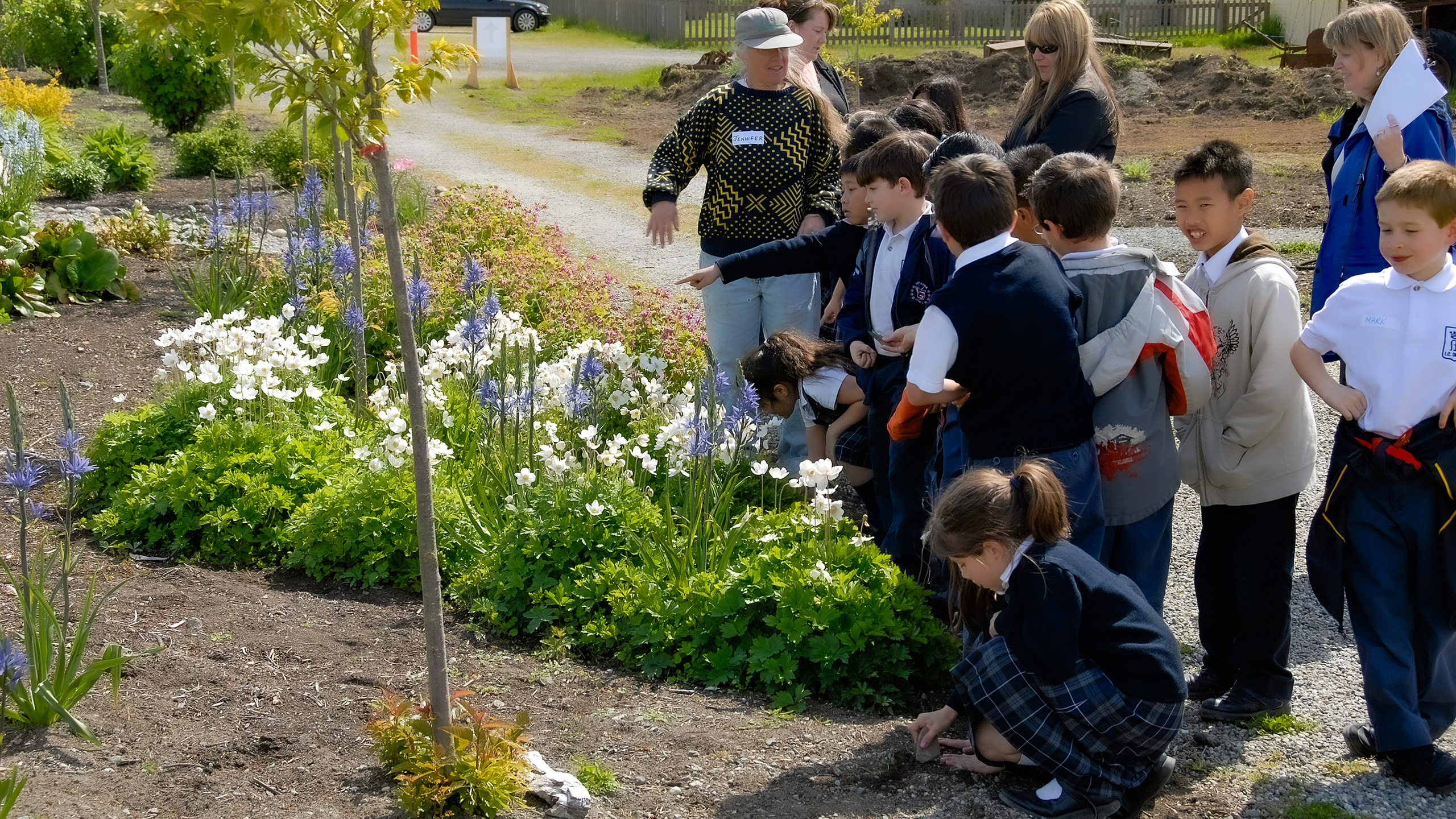
Build neighborhood schools again. Do this and many children can walk to school, reducing school traffic & eliminating the need for land-wasting stack lanes. This is Providence Elementary School again. DPZCoDESIGN is the planner of Providence. In the design charrette we met the Huntsville city school board; their first comment was "where are the stack lanes? We need 10 acres." I said "you don't need stack lanes." "That's impossible." "What if I showed you how it works?" They looked at me like I was crazy. I said "there's a school not far from here with no stack lanes; you might have heard of it. It's called Huntsville High School, and I know it well because I have an HHS diploma."
Because HHS is embedded in a neighborhood, parents stack on neighborhood streets which are empty that time of day. Stack lanes are a huge waste of land, and are only used for 30 minutes/day on school days, so they're empty about 99% of the year, during which time the only thing they're doing is soaking up the sun's heat and elevating the temperature of everything around them.
A couple rules for neighborhood schools: 1. The school should be on the edge of the neighborhood, otherwise it creates a huge "pedestrian shadow," discouraging people from walking all the way around. 2. Sport fields should be open for neighbors to use outside of school hours.
Learning Settings
Enough problems of industrial-scale schools have already been mentioned, and that scale of school is familiar to millions. Some of the merits of neighborhood schools have been illustrated above, coupled with the fact they can be run by a regular public school system. The remaining settings below are learning locations most of us haven't considered often or even at all.
Home Schooling
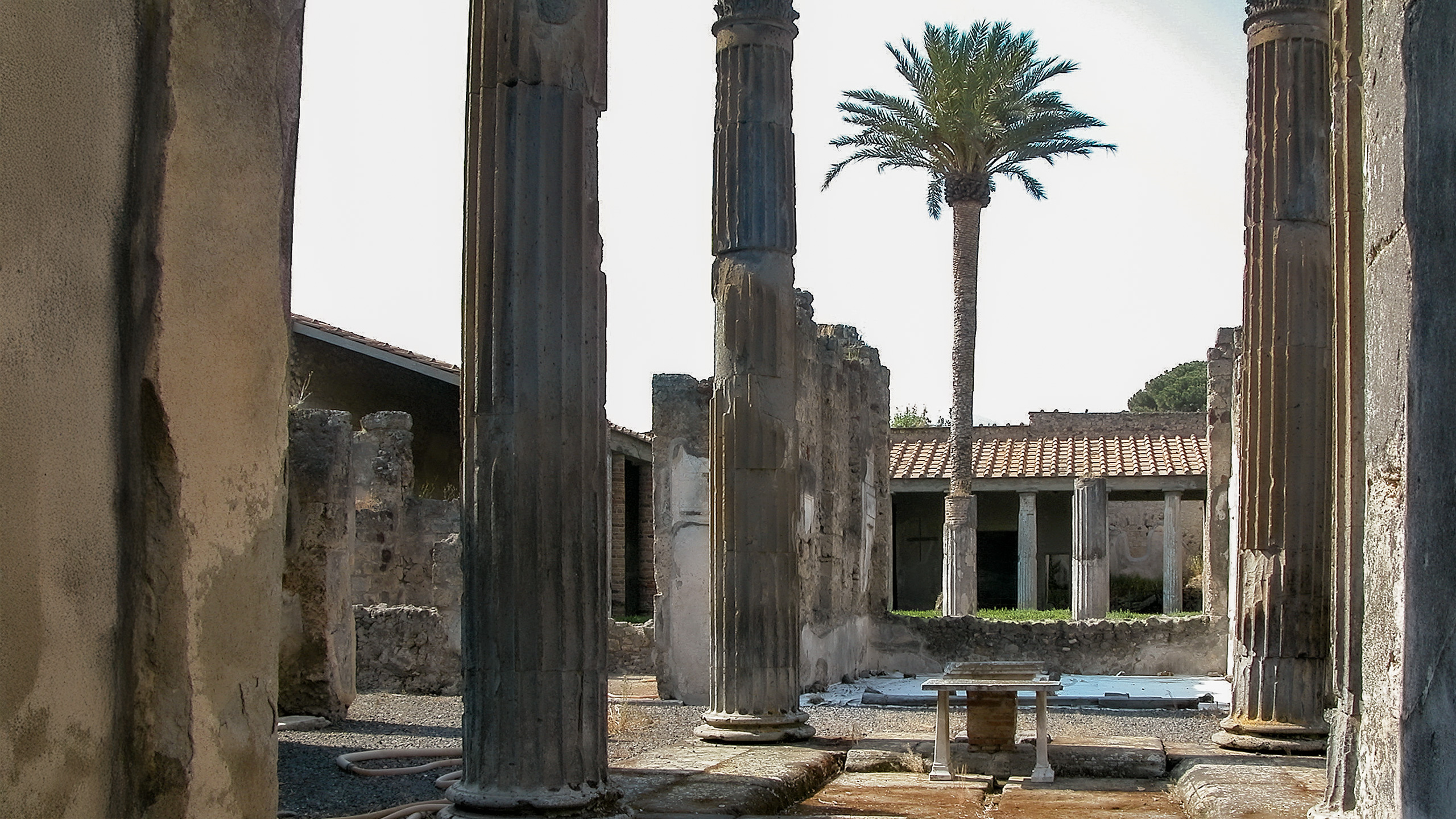
The first learning setting undoubtedly was at home, dating back to antiquity and beyond, before there was literacy and the accompanying ability to document the first home schooling. And it is beyond the scope of this page to document the millennia-long path of home schooling through centuries of societal change.
I can say this much with certainty: Our children were born in the early 1980s, and we strongly considered home-schooling them, but the financial pressures that led to the failure of our homestead contributed to our decision to send them to public schools. Contributing factors included the fact that Huntsville City Schools were and remain some of the best in the nation, and if you home-schooled in that day, you were going about it totally on your own. Conversations with friends home-schooling today paint a completely different picture of local home-schooling communities sharing resources and pooling nearby students into multi-family home schools. So what seemed impossible to us 40 years ago is certainly a viable option today, depending on local conditions.
Family Business
In the ages of hunter-gatherer societies, the family businesses (usually the cultivation and harvesting of plants and protein) were settings for children to learn what the family must do to survive. As societies diversified, so did the family businesses, and with them the learning opportunities branched out as well.
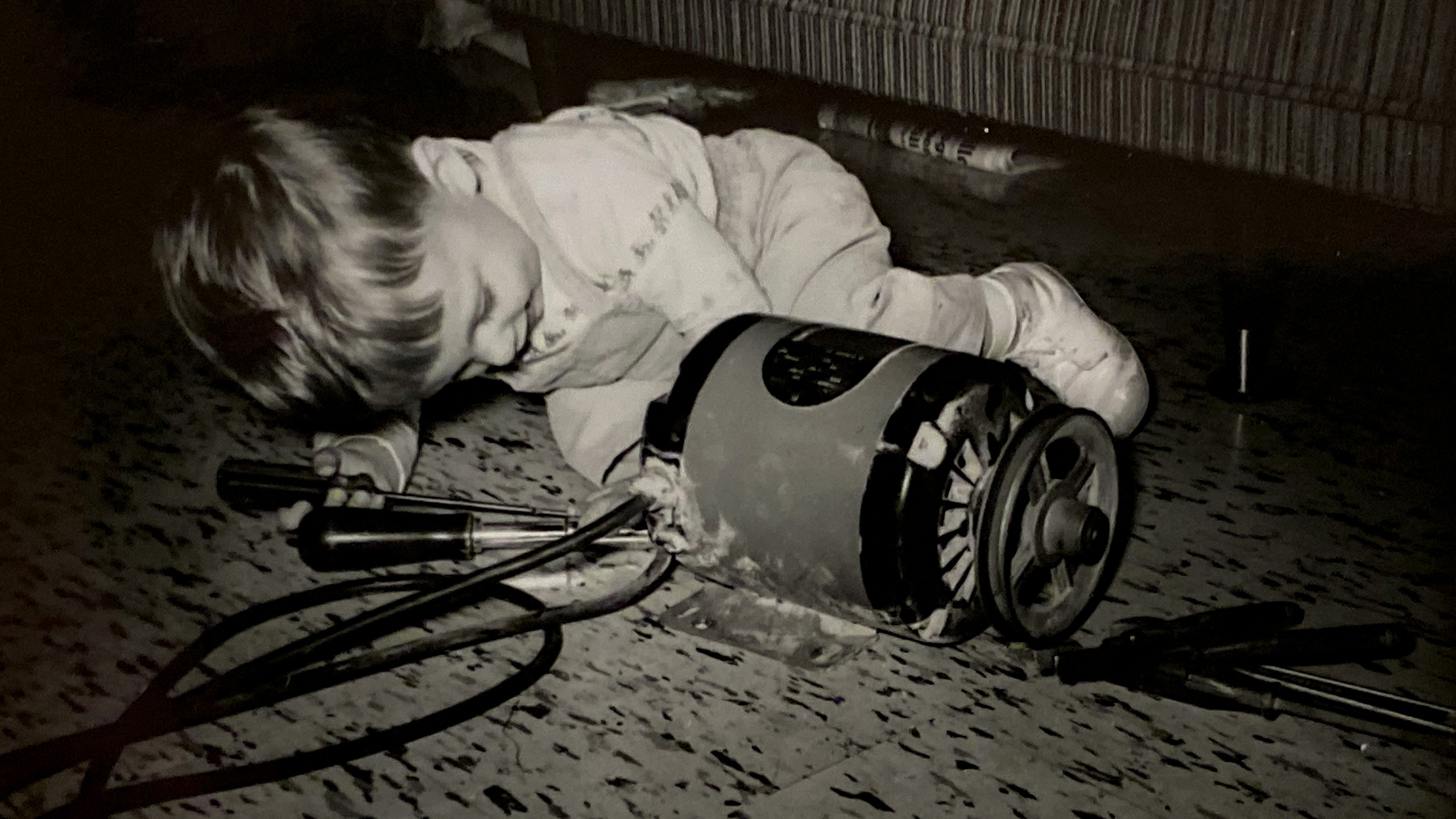
Before Dad's construction accident changed many things for us, he was a cabinet-maker. Mother's hand-written note on the back of this picture says "Steve at 14 months," so I was getting a very early start at the family business by tinkering with one of Dad's table saw motors.
Most kids probably got their start like I did, which was as a form of play as illustrated in this scene, not productive work. Less than four years later, however, I was sanding drawer fronts on jobsites with Dad doing all the work where there was actual danger involved.
Maker Spaces
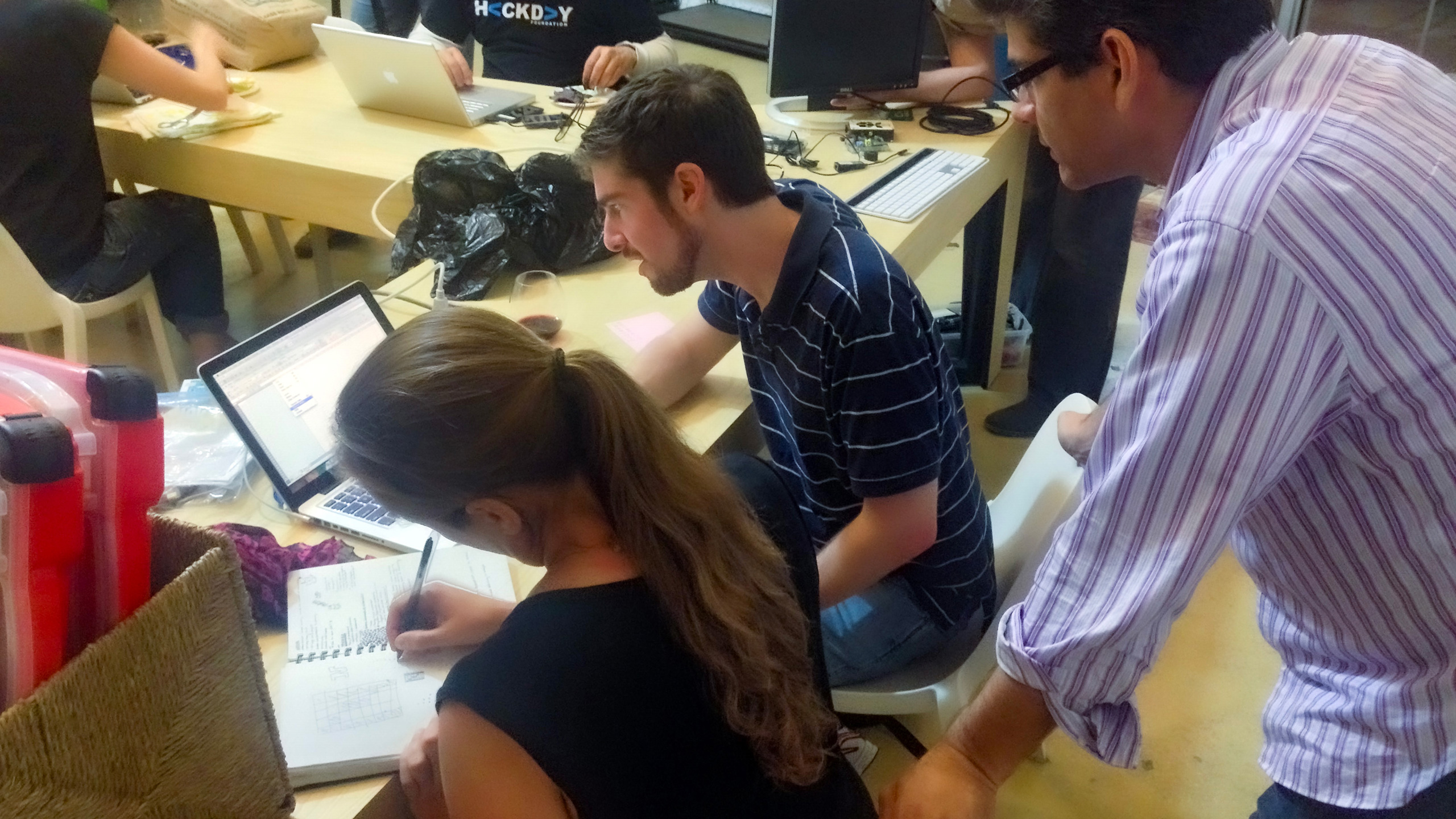
A maker space is both a laboratory and a school for things both old and new. And it's a place where students often become teachers, once they figure out things they've come to the maker space to learn. There are also no age or educational limitations on those using maker spaces, so they can range from high school students to retirees.
The physical needs of a maker space are not heavy: they just need to be large, open, cheap, and wired. This makes them good candidates for places recovering from serious disinvestment because they don't require expensive redevelopment. They also put lots of eyes on the street with all the people coming and going, who also tend to patronize local businesses, making them good neighbors on multiple counts.
Apprenticeships
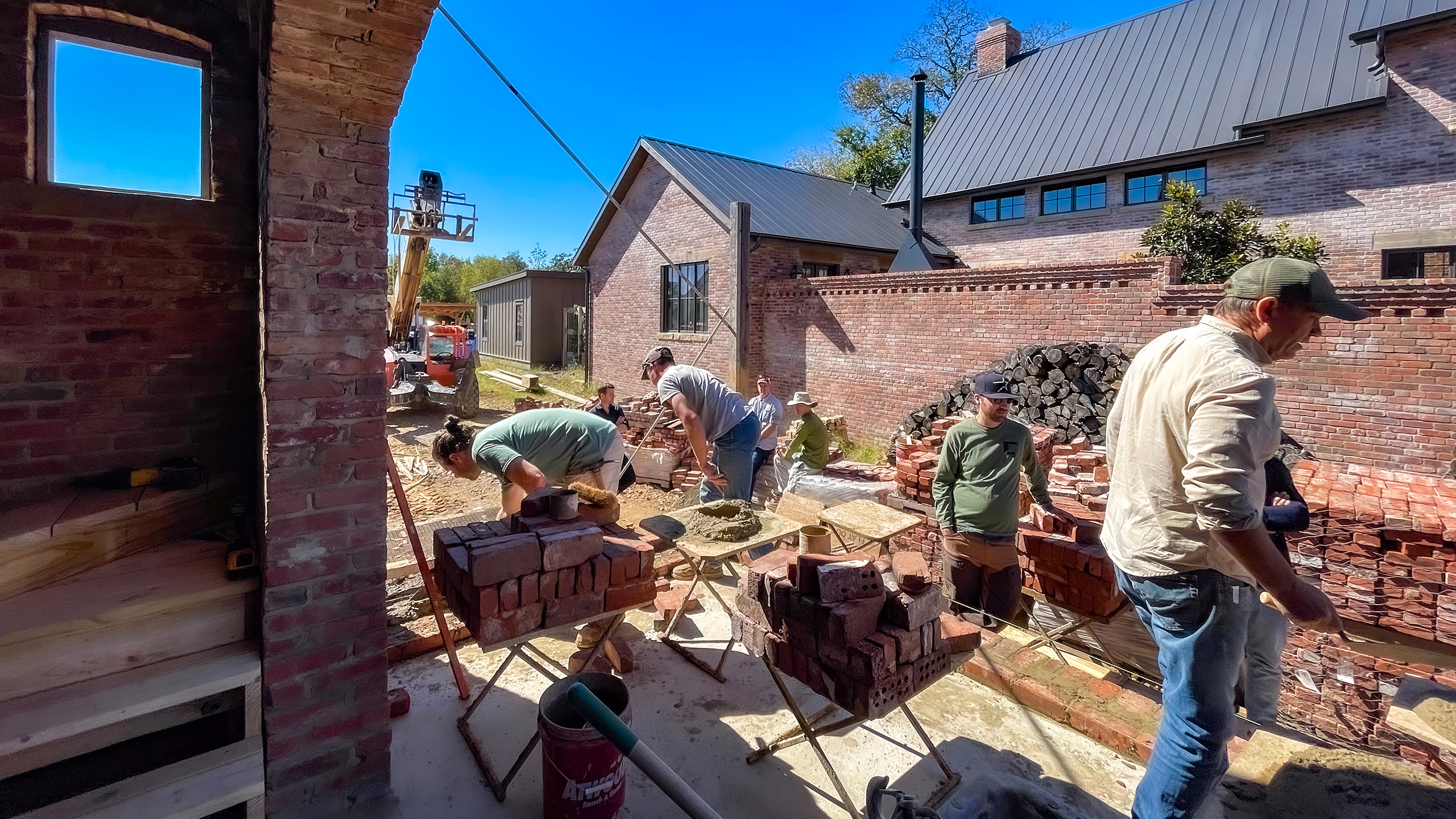
Learning by doing is arguably the most direct path between casual knowledge and expertise. The apprentices working here have each moved on since that day to a craft they did not possess when they first entered their apprenticeship. But what of the skilled hand who took on the apprentices? That masterful hand is that of Clay Chapman who is standing to the right of this image, trowel in hand. Clay could have pursued his masonry art to the end of his working life, but by taking on the burden of teaching, he is extending all he has learned to the minds and hands of those younger, who might carry that wisdom and skill deep into the future, beyond Clay's time. So taking on apprentices is both Clay's gift to future generations, and those apprentices are also living memorials to the one who gave them their start.
But there are side-benefits seldom discussed but quite valuable. This was a brick workshop held by Clay for the Urban Guild, and both Wanda and I laid brick there. Like most of the Guild members there, I had no intention of becoming a mason, but learned many things that buttressed my architectural education. So even if your core work is only on the fringes of craft skills, you'll benefit from learning them to some degree because they will inform other things in your primary work. We were laying brick for only a couple days, but that short time is forever imprinted on my mind, so the impact can be long-lasting.
Craft Schools
During my high school years in the 70s, there was a vocational/technical school operated by the city school system for students not on a universtiy track. Those students left high school after lunch to go to the VoTech school, which some university-track students called "Loser School." Thankfully, craft has taken on much higher standing in recent decades with everything from craft beer to craft textiles, and can play a significant economic development role in a locality or region.
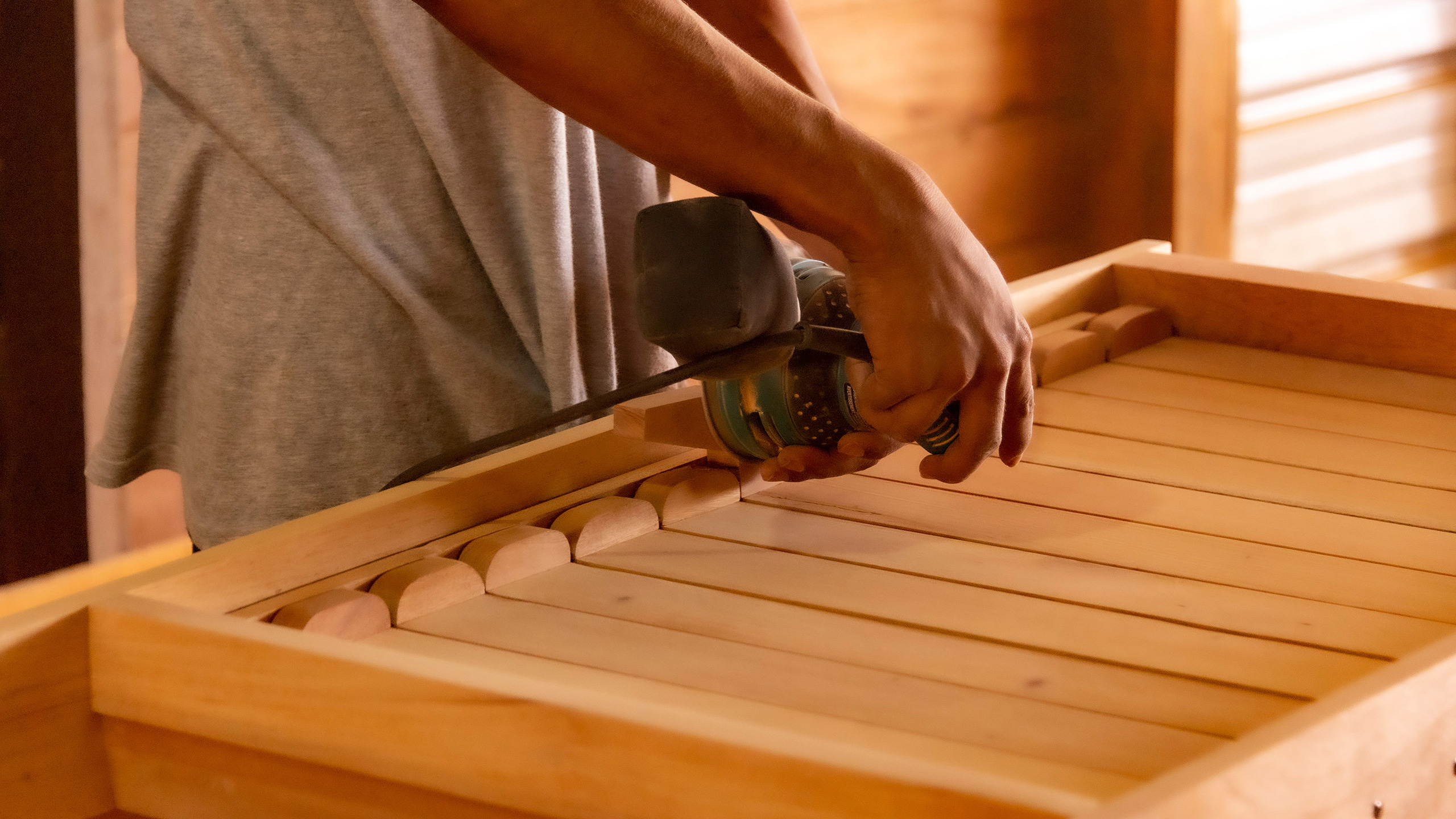
But what qualifies as craft? Hardliners say true craft should include only that work done completely by hand with only muscle power. I'm using this image of a craftsman using a power sander to make the point that craft depends not on the power source of the tool, but rather on the mind that guides the tool.
My father was a classic example. Dad and Granddad were both highly-respected craftsmen across the regions of their work; Dad was known as "Mr. Perfect" in north Alabama. They both began their careers with completely muscle-powered tools, with Dad transitioning to electrically-powered tools about the time Granddad retired. But Dad remained known as decisively as Mr. Perfect across the region after making the switch to electrical power as before. So the hardliners can debate all they like, but the builders and the customers have long since yielded their verdict: craftsmanship is in the mind that guides the tool, not in the tool itself.

Living Laboratory
This is the center of a site on which I've worked for a university which has a fascinating proposition: they are building a community with two purposes. The prime purpose is using profits from the community to fund their endowment. But several of the university's academic programs have roots in community-building, so this community will serve as a living laboratory in which students can be regularly involved in real-life day-to-day activities and challenges of building and nurturing a real community.
This setting type is last on this list, and also for two purposes. First, it is the learning setting you're least likely to encounter. But it is also the most powerful setting you're likely to encounter because, depending on the institution of higher learning you might be working with and its academic departments, this setting presents learning opportunities for students across as wide a range of disciplines as any setting on this list.

Learning Linchpins
A linchpin is a person, a thing, or a state of environment highly valued in an operation, which in this case is learning. They may operate in some of the settings above, like Heritage Instructors in Craft Schools, or they may stand alone, like a Dream Board. In any case, these linchpins can boost the value of learning experiences wherever they operate.
Dream Boards
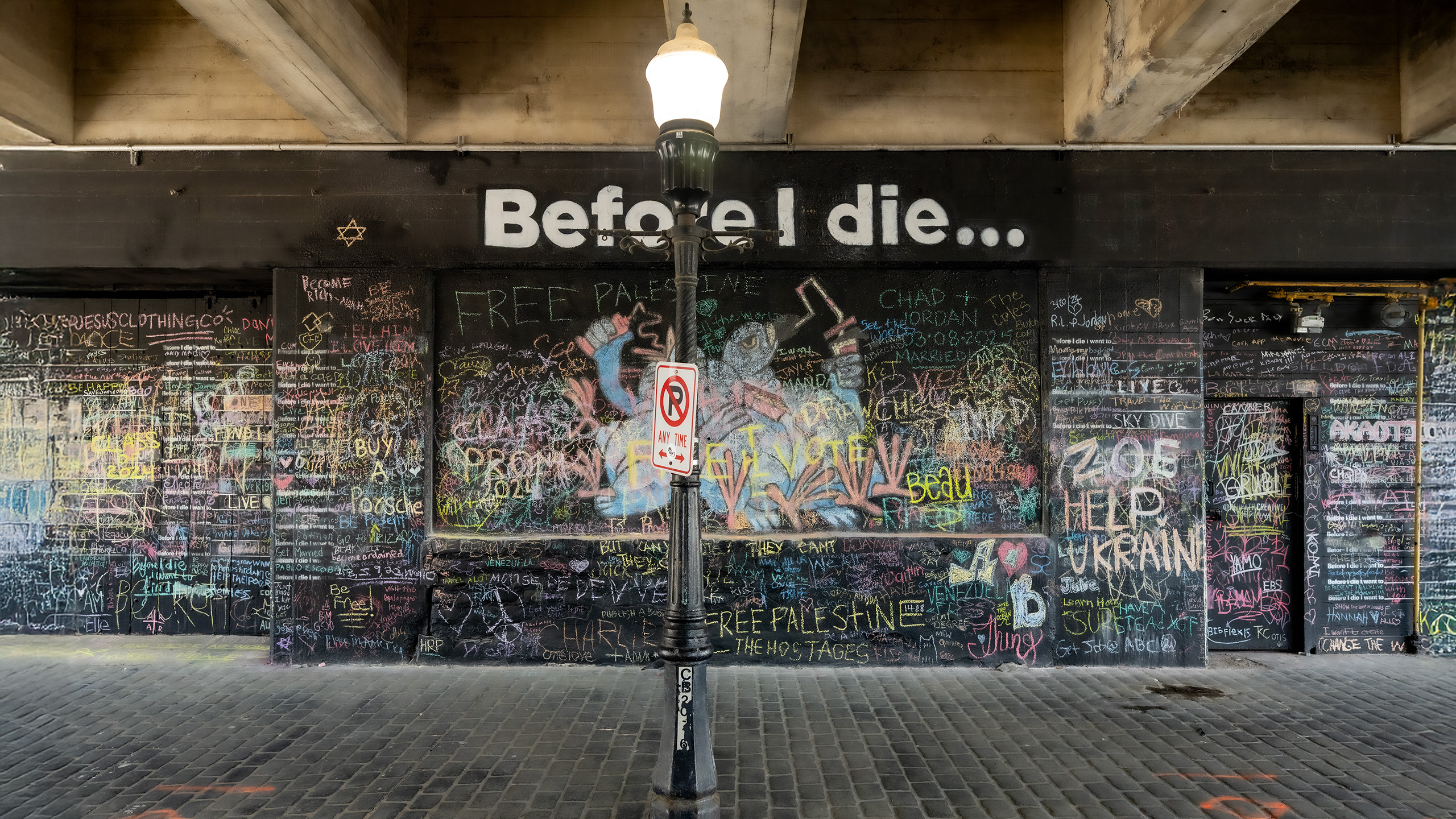
These go by different names, with "dream board" being the most common one, likely harkening back to Dr. King's "I have a dream" speech. But whatever they may be called, putting "insanely great" (Steve Jobs' term) goals out there where they can be seen has been known to attract supporters who can help transform goals into realities.
But before people see and believe, just the act of putting out a black board or wall and chalk with an invitation like "Before I die...", many wheels begin turning in many minds, especially among the young. And maybe among some of the older people in town as well, so long as they haven't yet given up on their curiosity.
Marketplace of Skills
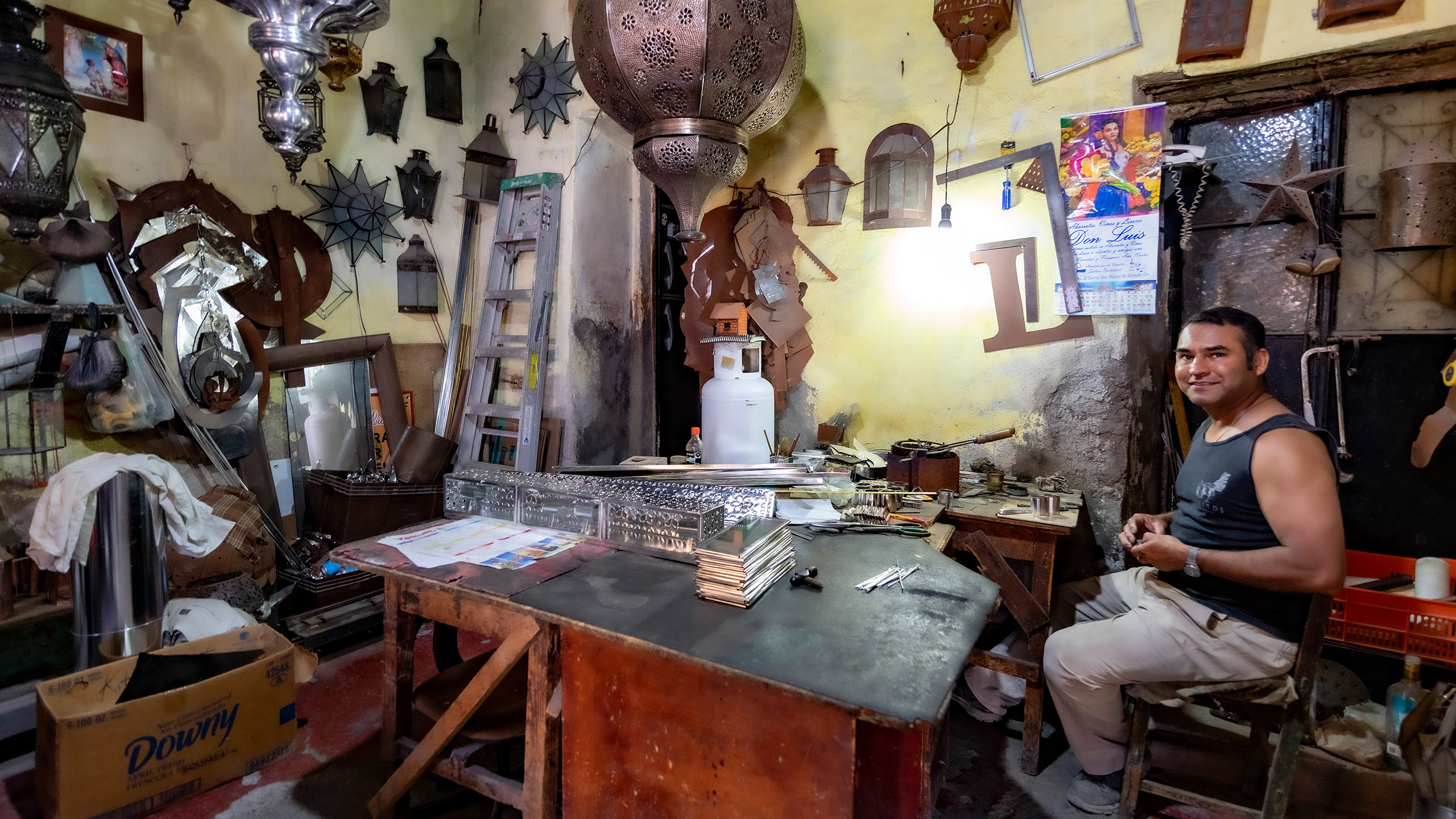
The workshop of this metal craftsman opens directly to the street, with the open doors being a day-long standing invitation to come in and see how his work is done. On the one hand, it's an invitation that results most often in someone commissioning work from him, but from what I saw, he is generous enough to share the practices and skills of his craft with visitors who would like to learn.
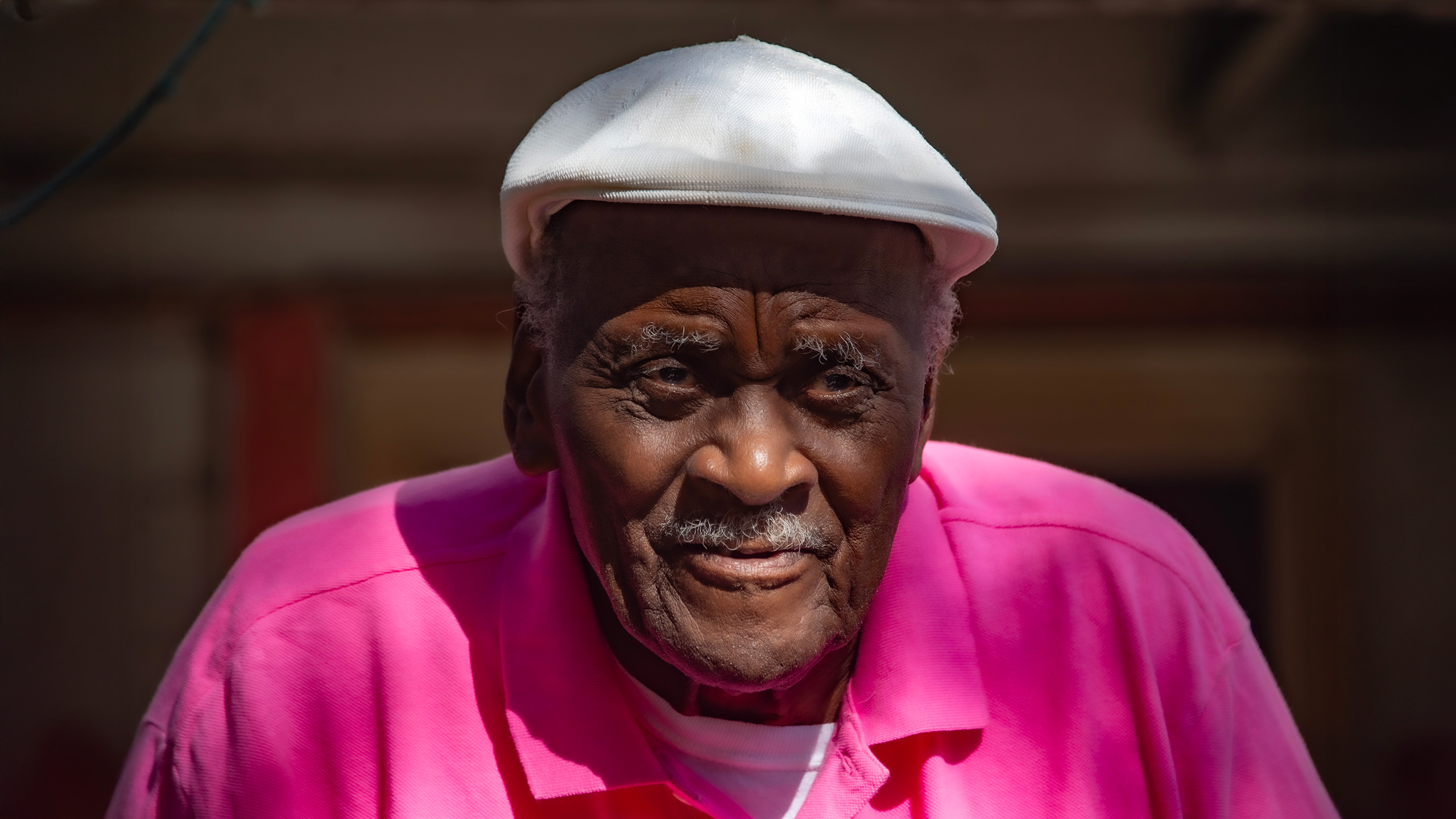
Heritage Instructors
Legendary Bahamian craftsman Joseph Saunders of Harbour Island was about to turn 91 when I had the privilege of visiting with him for awhile with the year 2017 drawing to a close. His generation is the last for whom hand tools were their first language of craft; for all successive generations it has been power tools. Mr. Saunders and my father were just three years apart, and neither had left any of their craft behind in the hand-to-power tool transition.
I asked him somewhere deep into the conversation if he might have any interest in teaching young woodworkers any of the old wisdom, expecting someone 90 years old to demur, but the twinkle in his eye told another story. Sadly, as a foreigner, I had neither the resources nor the connections to start such a school.
Today, that's a question that really should be asked in places with strong craft traditions. And the school should be set up by locals and the craftsmen engaged decades before they reach Mr. Saunders' age on that December day.
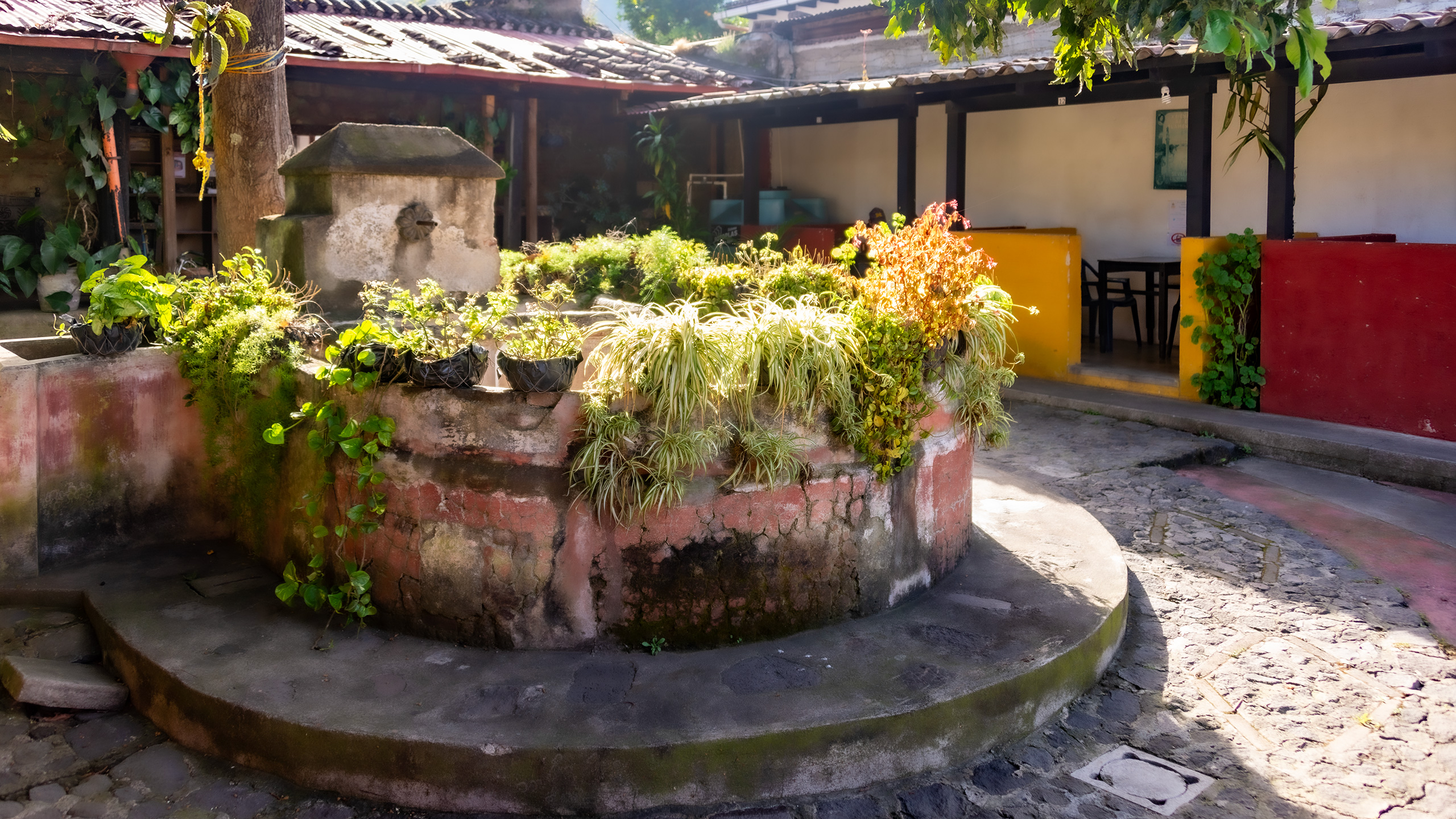
Beauty, Peace, and Quiet
The courtyards of Antigua Guatemala are the best I've seen anywhere, and today their world-class quality is driven by the top business in town: language schools. You can literally come and learn any language on earth, and lessons are taught one-on-one in booths or at tables surrounding the courtyards, which are recruiting tools.
The language schools literally compete on who has the most beautiful courtyards, which can contribute to the feeling that all is right with the setting, leaving you in a mindframe more conducive to learning. The learning booths and their surroundings are specifically designed to be peaceful and quiet so both the instructor and especially the student can clearly hear what the other is saying.
Tales & Tools
These ideas support the Learning Society foundation of the Original Green. The Tales are on Original Green Stories, while the Tools are in Original Green Resources. Several of these ideas support other ideals, foundations, and the Living Tradition Operating System because the Original Green is massively interlinked, so you'll see them listed wherever appropriate.
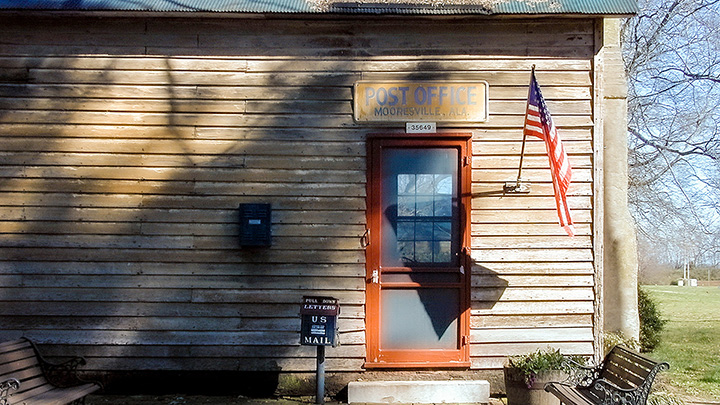
A Mooresville Account From Ten Years Earlier
The unlocking of the Mystery of Mooresville just might play a central role in the delivery of real sustainability because sustainability isn’t something you get by going shopping. Incremental efficiency changes are dwarfed by behavioral changes we could make. This mystery may carry the key for unlocking change for entire cultures.

Disaster Recovery
There are easy and pleasant ways to learn, but often the most painful lessons emerge from difficult experiences like natural disasters. If an ancestor survived a storm but their house did not, but a neighbor's house did, they likely would say "I'm gonna rebuild like that!" Many Original Green lessons originally arrived that way.
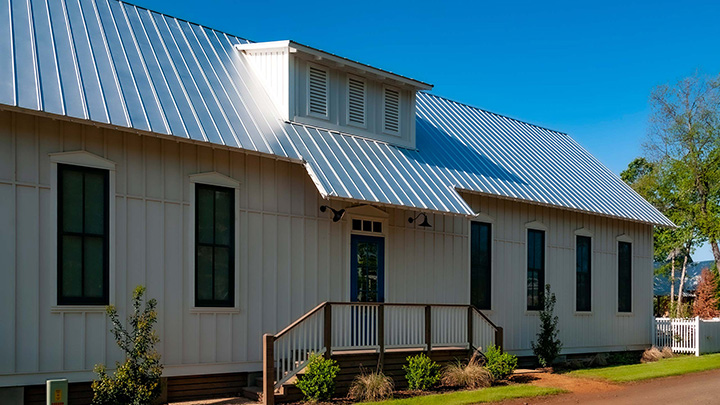
Learning Cottages
Tom Low's advancement of Katrina Cottages as a modern-day recall of the one-room schoolhouse of early American origins is also included as a resource in A Living Tradition - Architecture of The Bahamas 2.0 because this is a resource worthy of use internationally as well as across the US.

Living Traditions
There is no better grassroots learning tool than a living tradition, which is important enough to be an Original Green initiative. Not only do they learn hard-won lessons of things long-proven to work in a place or region, but because they are living processes, they can take on a life of their own and spread to other places where they may thrive.
Neighborhood Schools
Schools should be located in neighborhoods for many reasons, and their positioning is important to the walkability of the entire neighborhood. Today, schools are built out on the highway somewhere, and walking to school is impossible because even if the school wasn’t so distant, no sane parent would let their kids walk beside the speeding traffic.

Seaside Urban Code
The Seaside Urban Code is a great learning tool for anyone involved in planning because it takes a document which many cities blow up into hundreds or even thousands of pages, and distills it down to its essence, with a grand total of one page. Yes, one. You can't get any more lean than that.

The Laws of the Indies
The Laws of the Indies are another great learning tool that operated at a completely different scale than the Seaside Urban Code, which guided the development of 60 acres in the beginning, while The Laws of the Indies guided colonization of most of two continents with just twelve pages. Just an ounce or so of paper.
The Mystery of Mooresville
Nothing in my career highlighted the importance of curiosity like the Mystery of Mooresville so I adopted the mystery, took it home with me, and gave it a place to live in my mind so that when the fateful words were spoken that finally unlocked the mystery two dozen years later, I didn't miss them.

The Problem of Time
Architects today have a problem with time which is a vaccination against learning. The dogma is that there are three "watersheds of time" (past, present, and future), and the ridges separating them cannot be crossed. This thinking discards everything long proven to work. Let's do our best to keep this out of other fields of learning.
Tool-Tagging
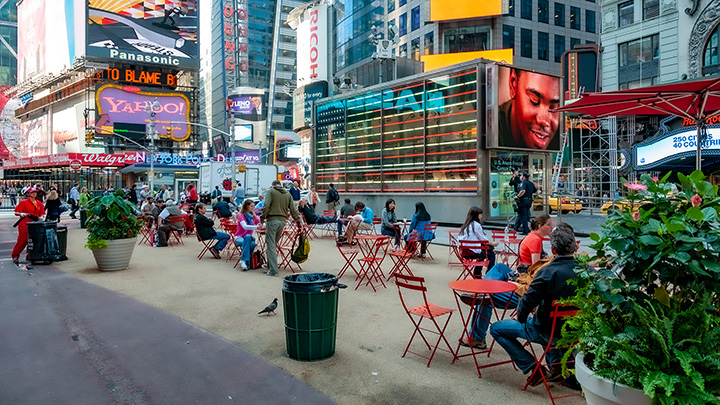
The second development tool we've built (after the Sky Method) is Tool-Tagging, which uses modern tech familiar to younger stakeholders to help us learn more about our towns and neighborhoods as seen through younger eyes than those which normally populate the planning processes in most places.
Search the Original Green Site
Buy the Original Green book on Amazon

Rather Buy Indie?
Contact Sundog Books at Seaside, which is our favorite bookstore ever!
Speaking
I speak on the Original Green across the US and abroad. Would you like for me to speak (via Zoom these days) at your next event?

Got an idea?
If you have an idea for a story, or know about work we need to feature...
Subscribe
... to receive periodic Original Green news releases. Here's our full Privacy Policy, where you'll see that we will not share your info with anyone else, nor will we sell it to anyone. All three fields required.
Home
Origins
Foundations
Nourishable Accessible Serviceable Securable Lovable Durable Adaptable Frugal Education Economy Culture Wellness
Resources
Original Green Scorecard Initiatives Presentations Reading List Quotes Links Tweetroll
Stories
OGTV
Media Room
Bios Press Speaking
© 2021 Mouzon Design, Inc.