
Healing Society
The distinction between wellness and fitness is key to everything else on this page. The players on this court each have higher levels of fitness than most other people in town, with at least one of them having competed in the Olympics. But fitness does not equal wellness.
Years ago in my original hometown, there was a celebrity fitness instructor who was very fit, and got his own TV show because while fit, he was heavier than most and the TV channel thought it was inspiring to have a not-skinny guy teaching fitness classes, with the implication being "if he can do this, you can, too!" But at less than 40 years of age, he had a heart attack. So while quite fit, he was not well, and it cost him his life.
This page is about healing, which leads to wellness. Fitness is a contributor to wellness, but it is no guarantee, as the story of the fitness instructor above clearly shows.
Wanda is a lifelong athlete and is now a fitness instructor at the Y, with most of her classes focused on helping the elderly maintain functional fitness. Several of her students are over 90 years old. These are some of her thoughts on wellness and fitness:
"There are so many things that lead to wellness. The way we eat is a major factor, as are many elements of our lifestyle. Contentment in what you're doing and where you are in life is huge. All these things can help lead to wellness, which is the ultimate goal. But if I'm a marathon runner, am I guaranteed I'll never have a heart attack? No. If I am a professional athlete in a very physical sport, does that mean I'll never have cancer? No. If I am young and work out regularly at the gym, does that mean I will have a long, healthy life? No. There is no magic button, or magic pill, which will deliver wellness to you. It's quite a combination of things, and genetics play a role as well. It's like a ladder, and each of these measures are like rungs on the ladder. In the end, fitness is no guarantee of wellness. I've exercised all my life, and even teach fitness, but that's no guarantee I'll never have age-related diseases. As a matter of fact, I already have osteoarthritis, which may be a result of doing a lot of exercise. So live in a place that supports your wellness and healing, and climb the rungs on the ladder known to help healing. But at the end of the day, there are no guarantees in life. Do the best you can while you can."

Healing Principles
As Wanda noted, there is no single thing that guarantees healing or the wellness that hopefully follows healing. The best we can do is make choices that tip the balance in our favor, understanding that time and chance happen to us all.

The Necessity of Hope
Hope is the fuel of tomorrow. Without hope, almost everything seems impossible, down to even getting out of bed in the morning. Hopelessness even wreaks havoc in our body chemistry, an act of the spirit attacking the body. The best way I know of beginning to recover hope is taking a long walk in the woods or at water's edge, which edits out the banality of everyday life. This can open the mind's eye to things that give a hint of hope. This works differently for us all, but the decision to walk somewhere outside the ordinary is a clear first step.
Healing Nature Around Us
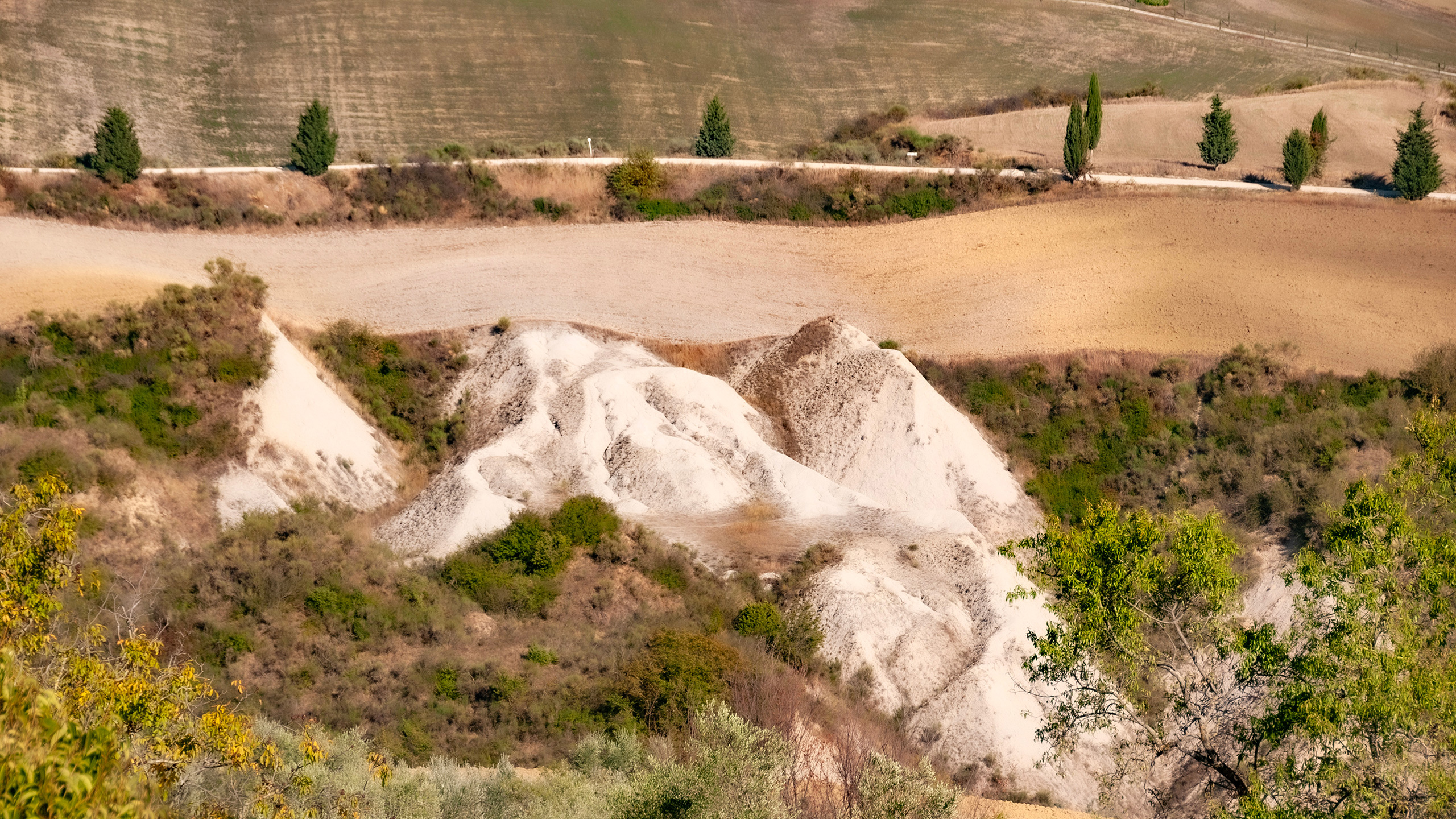
If nature is a setting that can lead to hope which can fuel us for tomorrow, then it is in the best interest of all of us to help heal the nature around us. Sometimes we need jarring reminders that nature needs healing, too. The bleached moonscape front and center here is what most of Tuscany looked like just over a century ago as a result of centuries of environmental mismanagement. Today, the Tuscan landscape is revered as some of the most beautiful and nourishing on earth, a shocking contrast to the lifeless moonscape which the regional government preserved in small patches like this as a reminder that "we could make our land die this hideous death again, but we don't have to. It's our choice."
Healing the Body
Wellness is the threshold below which we are ill; fitness is the threshold below which our bodies are not fully functional at performing physical tasks. So wellness and fitness are not measured on the same scale. We can be well but not fit, like someone with no disease but with high Body Mass Index, and can also be fit but not well, like a great athlete with a case of the flu. And Wanda says "movement is medicine," meaning that working to get fit can help heal the body, but there are no guarantees, as she noted.
Wellness of body begins with the things that we put into our bodies. Nourishable Places contribute to our wellness of body in this way by making nourishing foods easily available, while the highly-processed foods (or “food-like substances,” as Michael Pollan puts) pumped out by the Industrial Food Chain can rob us of our wellness.
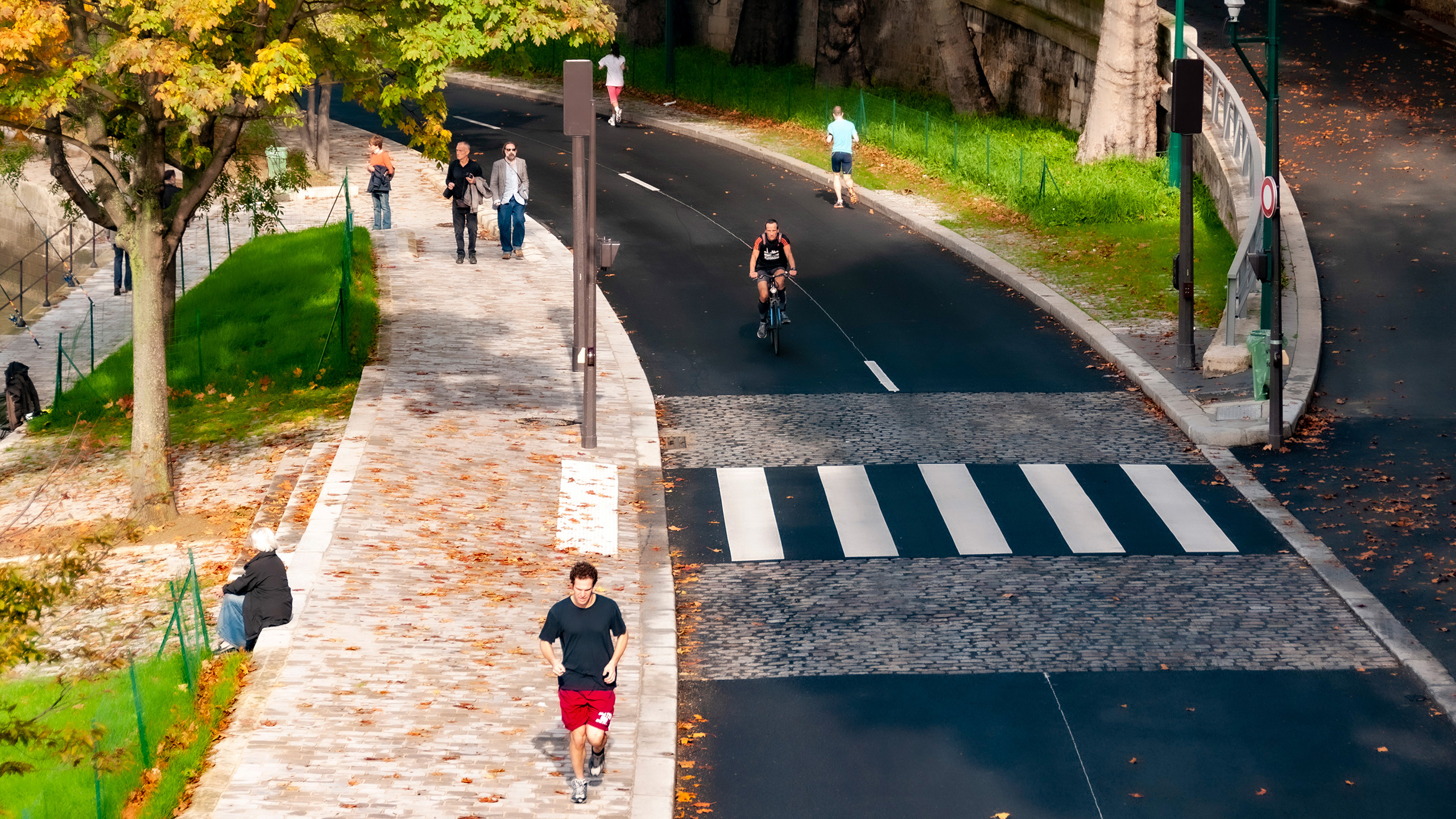
Wellness of body can also be enhanced or lost by what we do to our bodies. Accessible Places are great places to bike, walk, and run, which enhance wellness and also contribute to fitness. Sprawl, on the other hand, is where you have to drive everywhere, and the resulting sedentary lifestyle is arguably the single largest contributor (just ahead of processed foods) to our obesity epidemic.
Finally, wellness of body can also be impacted by where we put our bodies, such as in harm’s way. Automobile accidents account for tens of thousands of deaths each year, and millions of serious injuries in those who survive.
Healing the Mind
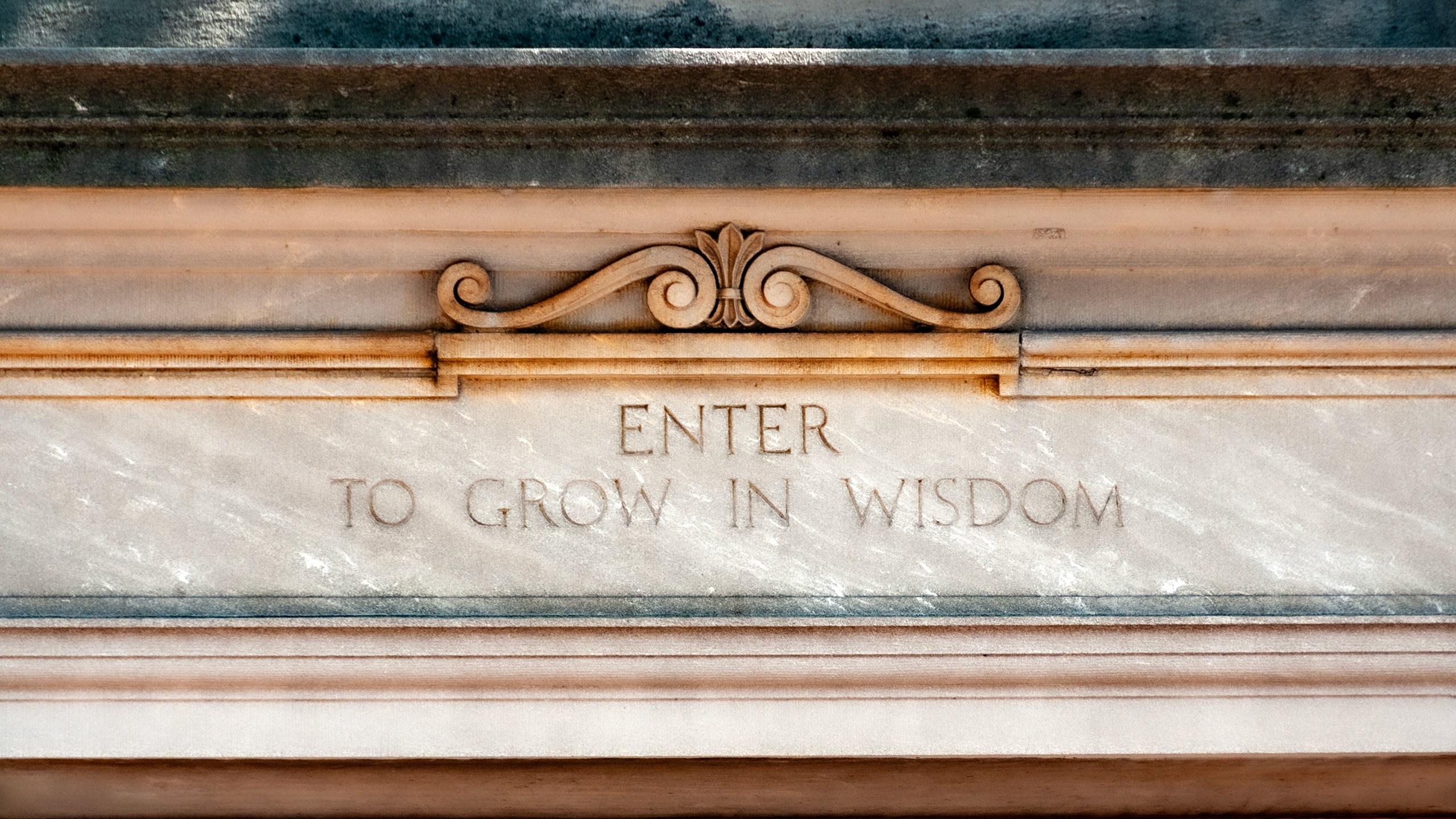
Similar to wellness and fitness of body, wellness and fitness of mind are not measured on the same scale. A university or other institution of higher learning can be good places to build fitness of mind. There are at least four attributes of the built environment which contribute to wellness of mind: Community, Balance, Nature, and Love.
A community is a group of people united by an idea, a place, or some combination thereof. Mental wellness has been shown time and again to be enhanced by being part of an identifiable community. The estrangement that comes with lack of community is often a precursor to mental illness. The built environment doesn’t create community, as any ghost town clearly shows, but it can set the stage for people to get acquainted, which is the first step in the creation of community.
Nature lies at the opposite end of the spectrum from community, because non-human forms of nature flourish most heartily when there aren’t so many humans around. But we can’t do without it. We have known for millennia that humans have a great need for connection with the rest of nature that is not human. Places that allow us the occasional immersive experiences in nature without too much difficulty or distance clearly contribute to our wellness of mind.
Balance is achieved in many ways that have nothing to do with the built environment, with "work-life balance" being one of the most frequently-mentioned forms, but there are ways the built environment can contribute to or detract from our balance. Variety in the places we inhabit and the people that inhabit them with us allow us to experience life more broadly.
Let’s be clear about love: the built environment typically does not elicit the ardor of two young lovers. Love for places and buildings is softer, most often something akin to a gentle resonance rather than a love to die for. But because those with no love in their life are particularly at risk of mental illness, it’s possible that a most-loved place might be just the thing that keeps them above the threshold of wellness of mind.

Healing the Spirit
I have hesitated for years to speak of wellness of spirit for two reasons: most issues of wellness of spirit are far beyond the scope of influence from the built environment, and also because of the value of time. Value is a function of time in this way: If two things do good at the same rate but one lasts twice as long, the longer-lasting thing is twice as valuable. So anything that lasts forever is incomparably more important than everything that passes away because infinity divided by anything measurable is still infinity; it's just fourth-grade math.
Everything in the built environment will someday pass away. If you believe that humans have a spirit that can live on beyond our bodies, then the importance of the spirit is incomparably greater than anything our bodies might build.
Speaking of matters of the spirit alongside matters of the built environment therefore seems like a colossal mismatch. But if the built environment can affect wellness of spirit, then it seems like an essential conversation. Here are some of those influences:
Every system of spirituality I’m aware of requires times of quiet contemplation or meditation. Are we building places of respite where we can truly be alone for a time?
On the other hand, spirituality also requires times of togetherness, or fellowship, with those who share and can help heal or strengthen our spirituality. Unfortunately, the sprawling world we’ve built recently usually fails on both these counts because in most places there are people around us most of the time, but normally in meaningless relationships like waiting on a red light side by side at an intersection. So it doesn’t usually set the stage for either profound togetherness or profound aloneness. Is this part of the reason so many spiritual communities have struggled in the modern era?
Wellness of spirit increases when we love our neighbors... but the co-inhabitants of countless subdivisions aren’t really neighbors because the places are designed in such a way that people rarely get acquainted. So how can we love our neighbors if those living nearby are just strangers to us?
Wellness of spirit grows when we do good for others less fortunate. Unfortunately, the American development paradigm has become excruciatingly efficient at separating classes of people in a very fine-grained way so that it is now possible to go interminably through one’s daily life in many places in sprawl without ever seeing anyone notably less fortunate. So how are we going to do good for others less fortunate if we never see them? Licking an envelope with a check inside is a very poor substitute even if the needy received more than a tiny fraction of our donations.
Most would agree that wellness of spirit can easily be at odds with natural wealth because the natural things that are visible can so easily crowd out the spiritual things that are invisible. Yet the focus of our built environment in recent decades has been all about getting bigger and getting more. And we’ve mortgaged ourselves within an inch of our financial lives... or beyond, as many have sadly discovered. This means that we have to spend countless hours working to pay for it all, making debt a thief of time.
So it all comes back to time: spending all our time working break-neck for natural things assures that there’s no time left to build our spiritual wellness. But paradoxically, it’s the spirit which can carry the greatest value... or not... simply because it goes on forever. So maybe it’s time to reconsider the things we’re building and the things we’re buying in light of the things that last the longest, and begin to show a bit more frugality concerning the things we’ll someday have to put away.
Healing Conditions
The built environment, if properly designed and built, can assist in healing the body, the mind, and the spirit of those who experience the place in a number of ways.
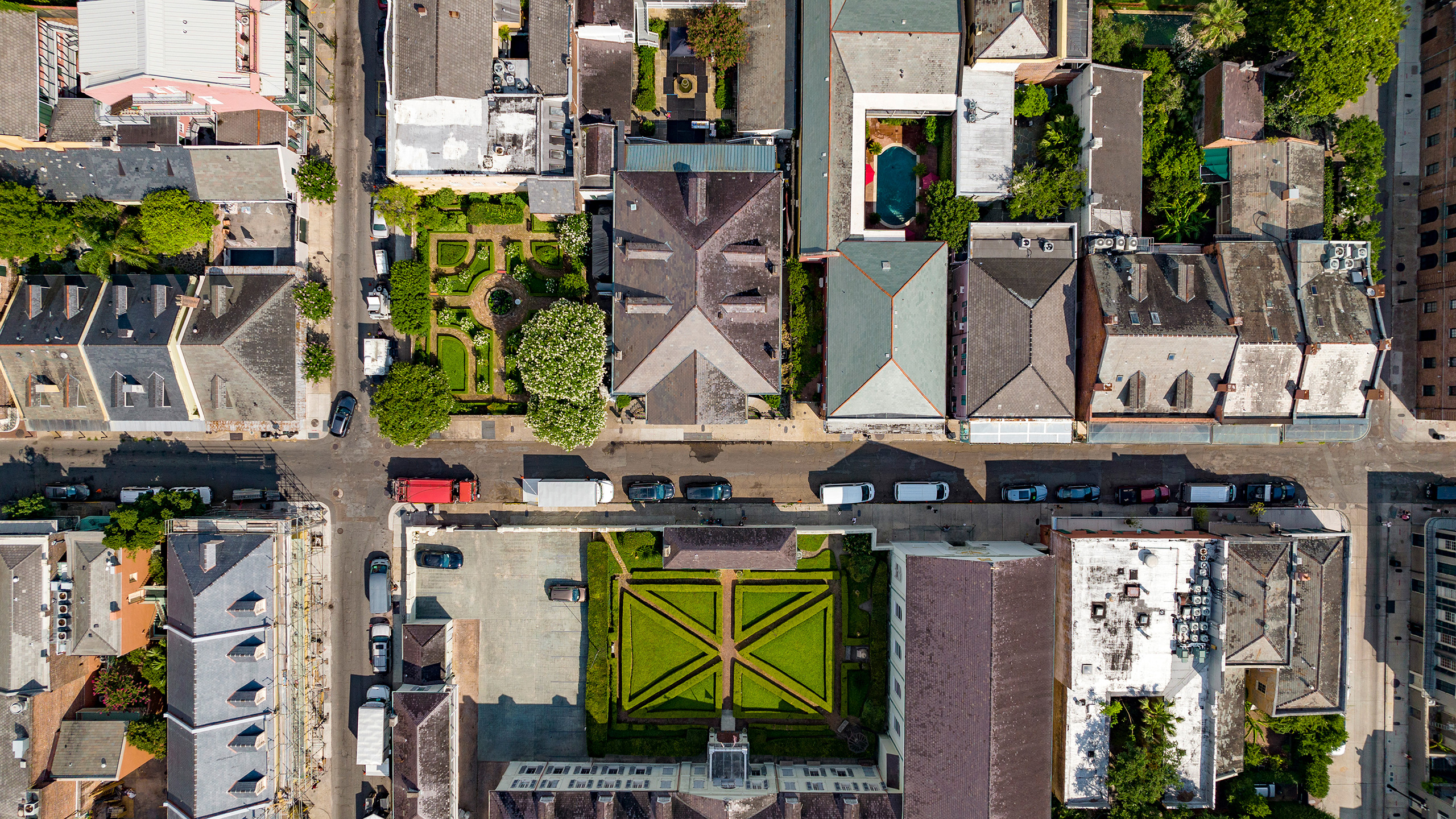
Healthy Urbanism
No single condition delivers greater healing than plain old Original Green urbanism.
These are the top three Original Green Ideals and their contributions. These ideals are most commonly embodied in those designing and developing Original Green places, but can be transmitted to those living or working in Original Green places as well, so there is a likelihood but not a guarantee that these ideals will benefit many working or living there:
• Patience assists in healing the body, sustaining practices that must be repeated to build bodily health. Patience reduces anxiety over seeking instant gratification, helping heal the mind. Patience is essential in health of spirit because most practices meant to help heal the spirit work best when practiced over a lifetime.
• Generosity is a curious ideal because it benefits those sharing healing practices of body, mind, and spirit as much as those learning those practices from them. And because generosity thrives by "paying it forward," it tends to be self-perpetuating.
• Connection is key to community at the largest scale and friendship at the personal scale so it is especially important in spiritual health and also in mental health.
These are the twelve foundations and their contributions:
• Nourishable Places deliver healthy local food for your body and help the places prosper.
• Accessible Places prioritize self-propelled means of access, especially walking and biking, great for both healthy body and mind.
• Serviceable Places put daily, weekly, and monthly needs within walking and biking distance, again great for healthy body and mind, and saving you money as you burn fat.
• Securable Places patterns thrive on strong community, known to be a healer of spirit.
• Lovable Buildings bond communities, again a contributor to health of spirit.
• Durable Buildings endure, carrying the healthy benefits of lovable buildings long into an uncertain future.
• Adaptable Buildings extend the lives of durable buildings by adapting to future uses, which can unlock unanticipated healthy properties.
• Frugal Buildings save money and other resources, helping heal anxiety.
• Learning Society is a strong community-builder, a healer of spirit as noted earlier.
• Prospering Society lets people start building their dreams small, helping heal anxiety of the proprietor(s) and grassroots-scale establishments are easily accessible on foot and bike, building bodily wellness.
• Enjoying Society is all about many forms of joy and the places and activities that help deliver it. And nothing comes closer to a universal remedy for illness of body, illness of mind, and illness of spirit than a joyful life.
• Healing Society is about returning to a healthy body, mind, and spirit.
These are Original Green initiatives and their contributions for which Wanda and I have been the primary contributors, and which we have tested ourselves:
• Living Traditions operate by sharing wisdom across a culture in a place or region, so they are key to community-building and the resulting health of mind and spirit.
• Walk Appeal, because it boosts desirability of self-propelled transport like walking and biking, is particularly strong on building physical health. And because self-propelled travel speeds help you discover more about a place, there are mental health benefits as well.
• Place Recovery and its four sub-types are all about recovering the health of the places themselves, and those who inhabit them tend to experience healing in some or often all three realms of body, mind, and spirit.
• Outdoor Rooms help us learn to Live In Season, which boost bodily health, but the financial benefits of being able to cut the equipment off on all but the most extreme days of the year reduces anxiety, helping heal the mind.
• Single-Crew Workplaces help people start building their dreams much earlier, serving as a superfood for the benefits of Prospering Societies noted above.
Quietness
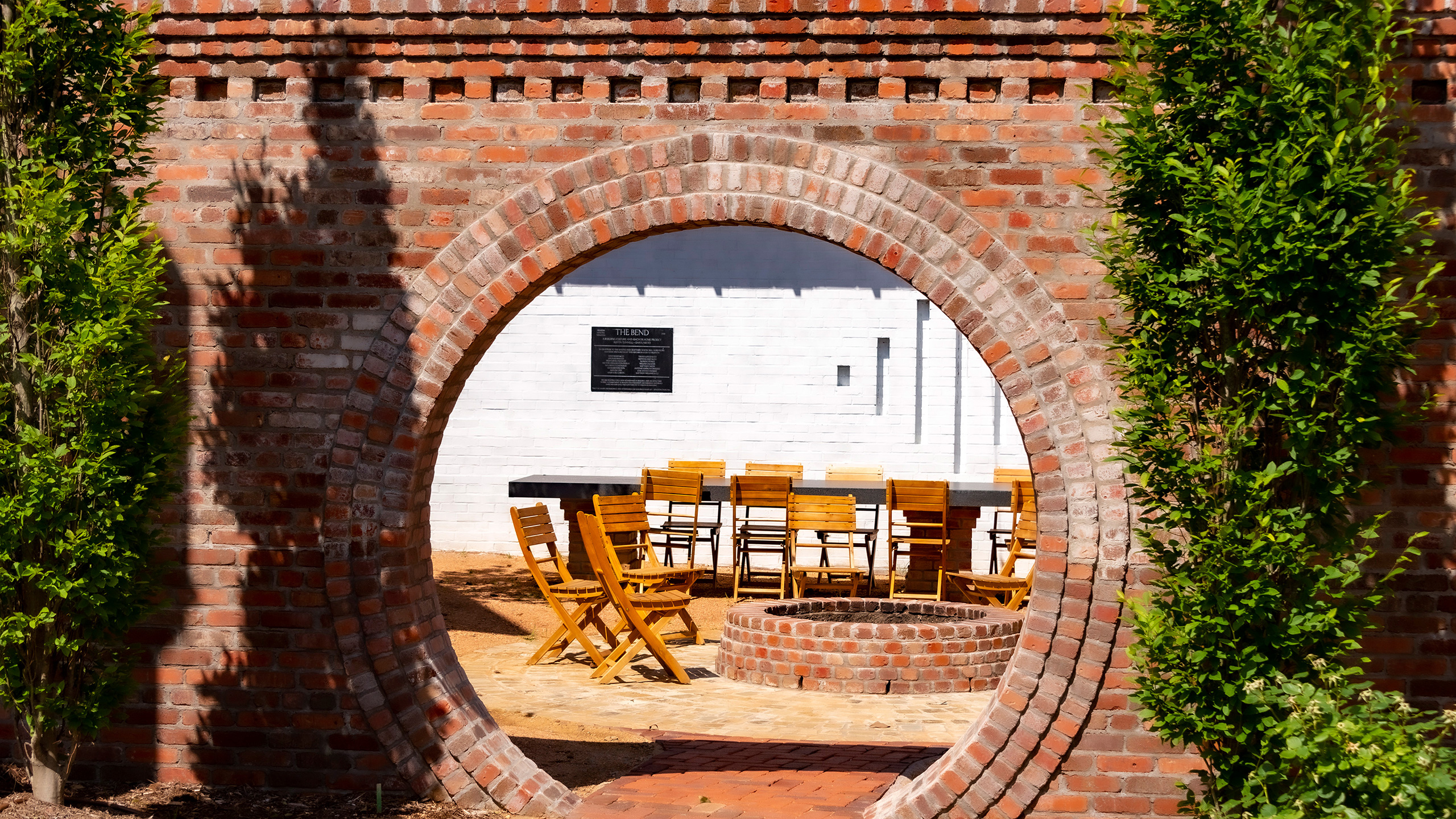
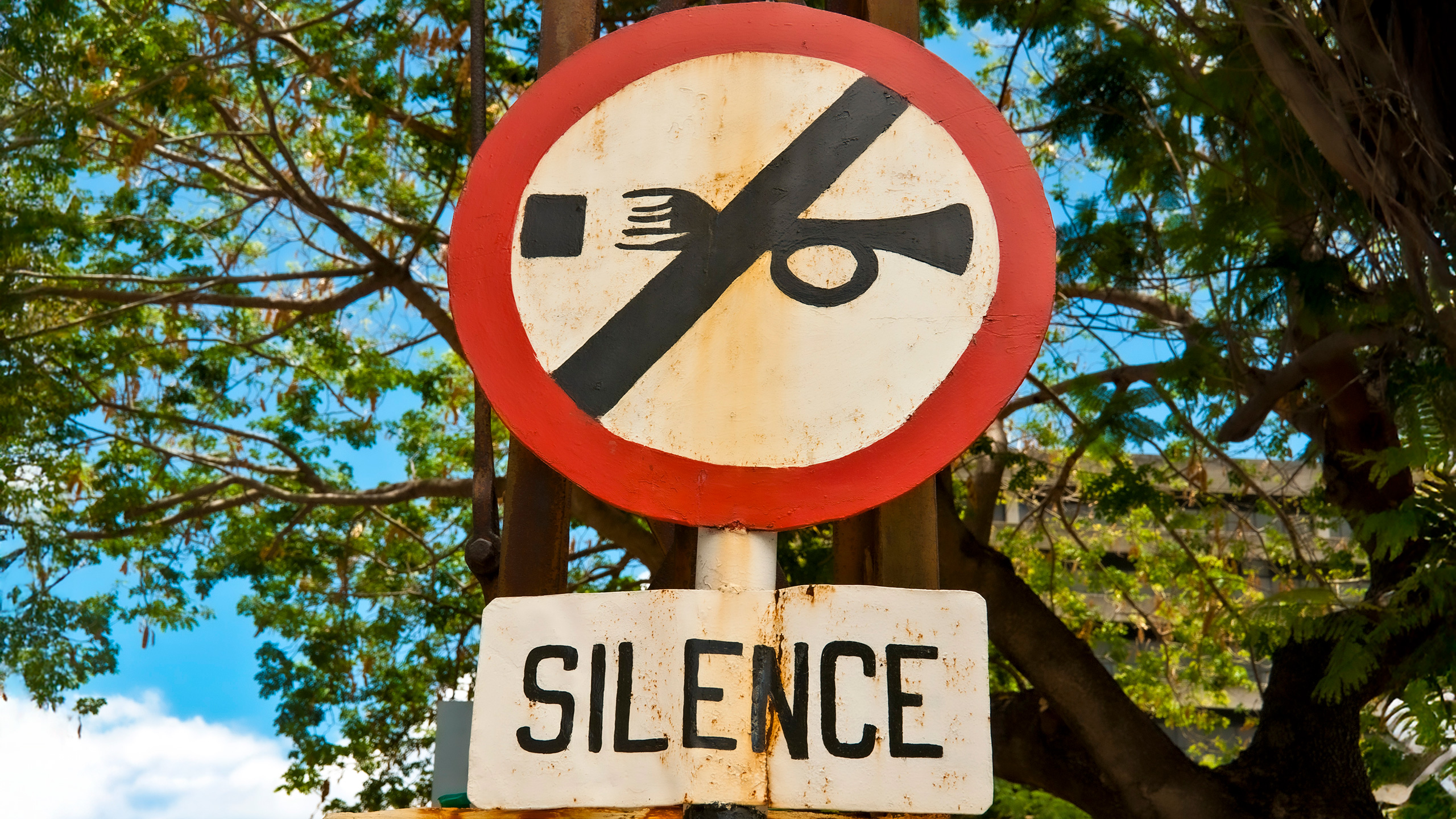
The benefits of meditation and contemplation are noted in Healing The Spirit above, but those practices are more effective in a supportive environment. Quietness is key, of course, so the space should be surrounded by a masonry garden wall tall enough to screen prying eyes and thick enough to deaden sound if you're in an urban environment or a substantial distance from highway noise if you're in a rural setting. A comfortable place to sit is next so physical discomfort doesn't disturb you. Create as much of your surroundings beyond perimter and seating with natural things instead of hardscape, with surroundings on all sides primarily of plant material plus a tree canopy ceiling. Water, whether a quiet pond, pool, or fountain, is helpful. Depending on your practices, consider a table or similar place for refreshments like tea, and also for a note pad.
Togetherness
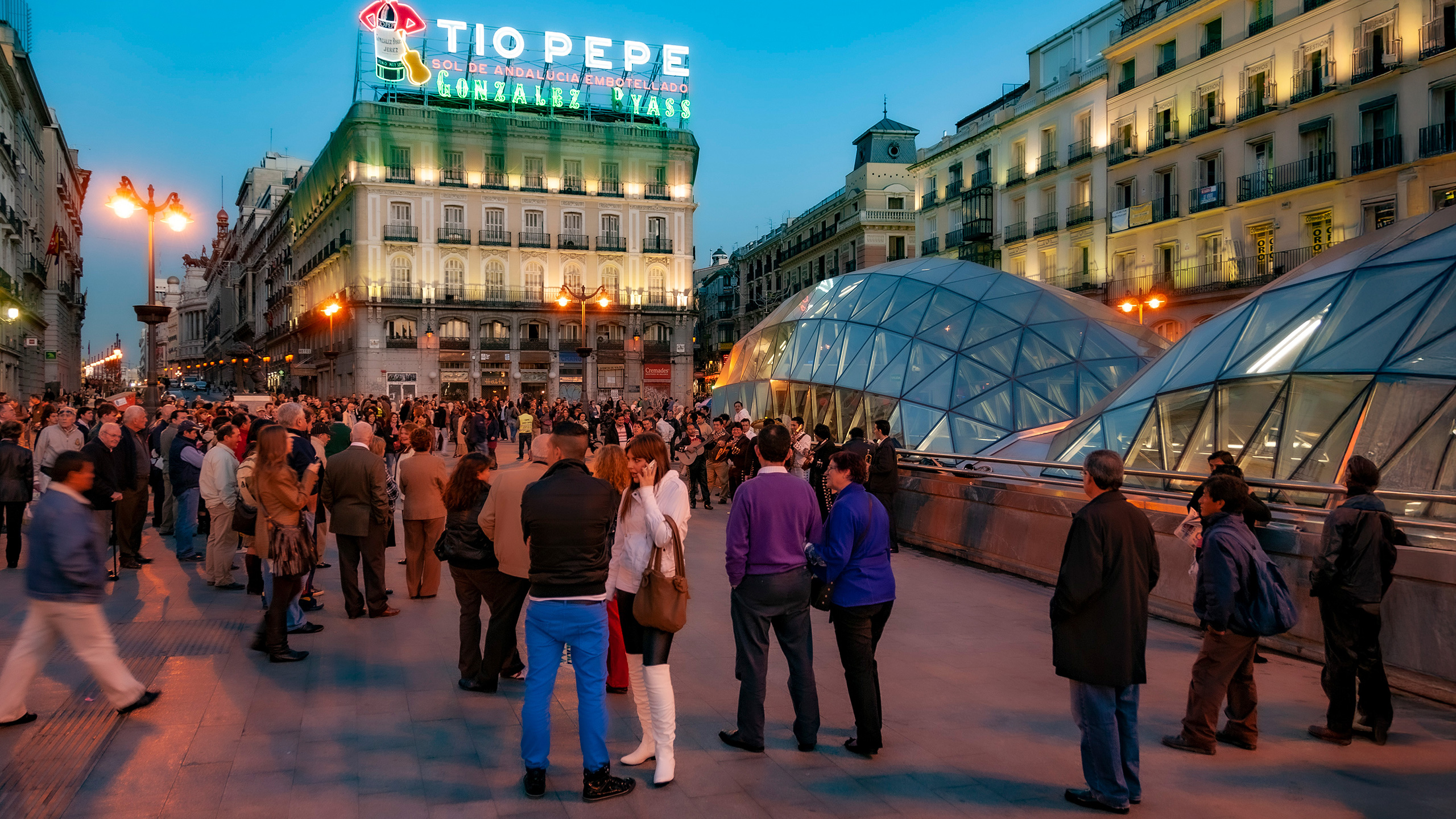
The largest enjoyment settings tend to have assigned seating or at least fixed seating, but more organic gatherings like this one should allow people to mingle as they wish in a movable conversation of sorts. Such gatherings work best if there are alcoves or similar small spaces around the edges where smaller branches of conversations can find quiet places for either audibility or privacy. Refreshment vendors around the perimeter are helpful, as are restaurants to which a mid-size conversation may retire for further deliberation.
Living In Season
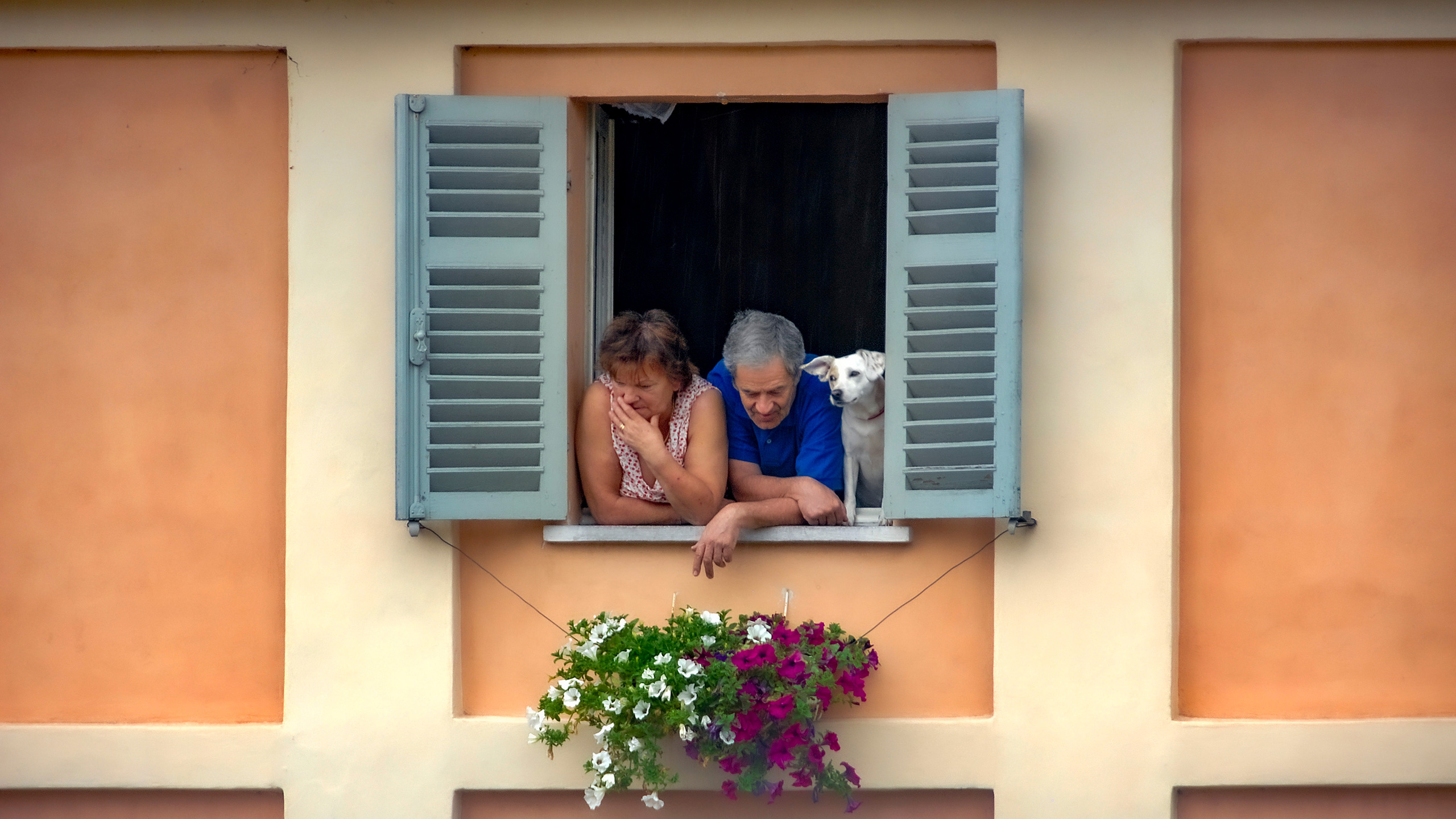
Getting acclimated to the local environment can save on utilities when we're able to throw the windows open and cut the equipment off on all but the most extreme days of the year, but living in season has health benefits as well. Someone well-adapted to the seasonal environment doesn't feel such a shock to their system when stepping outdoors, reducing the likelihood of bodily illness, as our grandparents might have told us. "Catching a cold" is a term likely to have originated in reference to those not living in season who were not adapted to colder weather in winter.
Living in season also helps our mind exist more harmoniously with this season in this place. Harmony is a condition long known to contribute to mental health.
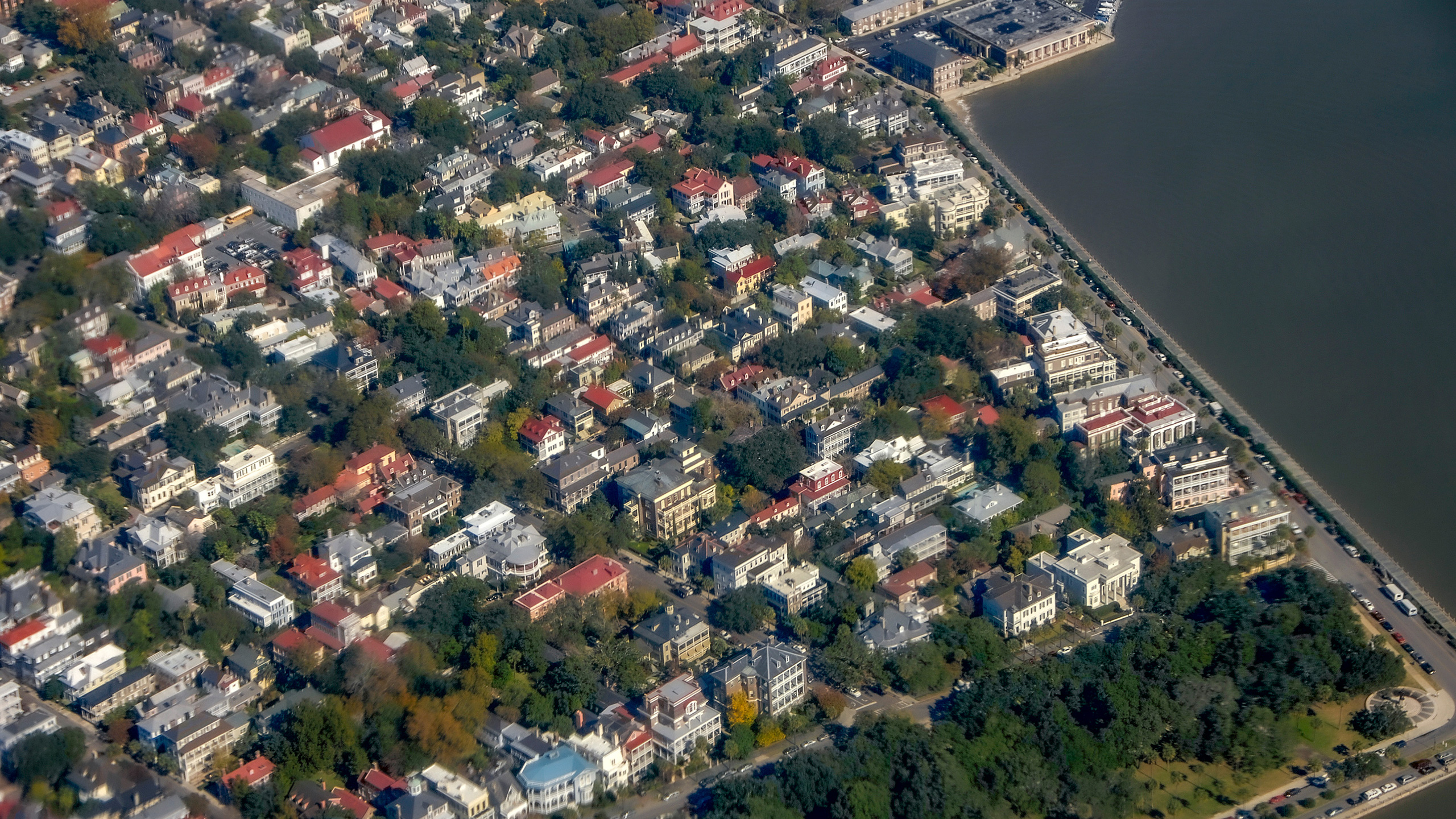
Live Where Friends Visit Unannounced
This image is Charleston South of Broad, a neighborhood with some of the highest per capita net worth in the country. Purveyors of gated subdivisions maintain that high net worth individuals need to live behind walls and a guard shack. But most of them are selling gated subdivision properties to people with just a fraction of the net worth of those living South of Broad. Yet you can walk, bike, and drive on every street in this image. So who's wrong here? Those living South of Broad? Or the gated subdivision developers?
There's a special kind of togetherness that occurs when friends can stop by without having to get buzzed in by the guard at the gatehouse. Some choose to be more reclusive and stay behind the gate, and that's fine... that's their choice. But the great old towns where neighbors pulled together and made good things happen were built at least in part on neighbors being able to stop by.

Focused Work
I have worked in many collaborative settings in design charrettes across the country and abroad, and the facilitators tend to be very good in their field, but there is no replacement for a place of highly focused work. This is my studio. It began as a ten foot by twelve foot powerless, windowless tool shed. Step inside and shut the door and it was as dark as midnight. And those dimensions are exterior dimensions, so it's even smaller inside. My computer table is to the left, my drawing table is to the right, and I'm surrounded by a few hundred books as a boom light swings overhead to illuminate where needed. Anyone working in a creative discipline needs a space like this; it's a focus machine, and I'm doing some of the best work of my life right here, right now.
Tales & Tools
These ideas support the Healing Society foundation of the Original Green. The Tales are on Original Green Stories, while the Tools are in Original Green Resources. Several of these ideas support other ideals, foundations, and the Living Tradition Operating System because the Original Green is massively interlinked, so you'll see them listed wherever appropriate.
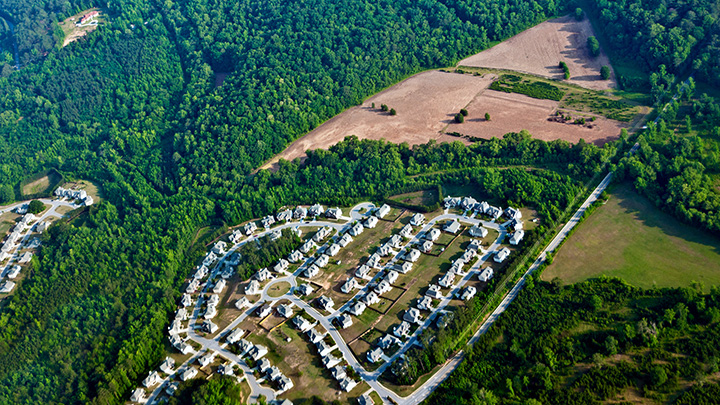
Curing Cancer of the City
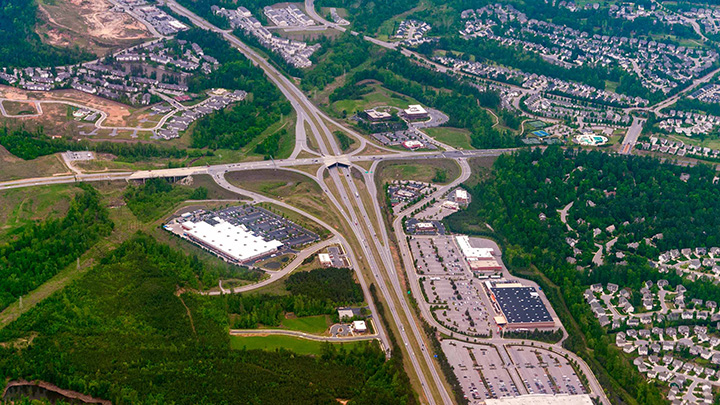
Healing isn't just for humans; cities need healing as well, especially from cancer of the city, which is sprawl. Pods of sprawl such as subdivisions, strip centers, mega-centers, and office parks are like tumors, metastasizing not only all over the city while destroying healthy tissue, but also all over the surrounding countryside.
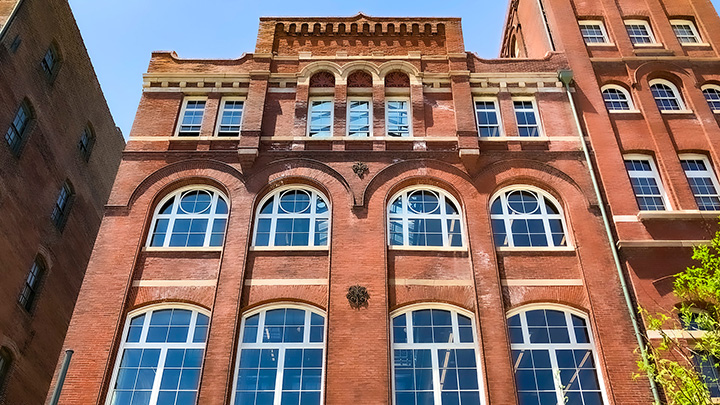
Healing A Neighborhood Through Preservation
This is a mashup of two posts on the healing of a Memphis neighborhood by giving the Tennessee Brewery new life. First, preservation today has new ground rules nothing like your parents' era, beginning with property rights. Next, assemble a cause. They did. It worked. And a neighborhood center thrives around the brewery now, where emptiness reigned before.

Living In Season
The benefits of Living In Season were noted on the Frugal Buildings foundation, but Living In Season has healing properties as well. Getting acclimated to the local environment makes us less susceptible to bodily illnesses. It is also beneficial to the mind to feel like we belong in this season of the year, no matter what the season actually is. Our ancestors could have attested to both.
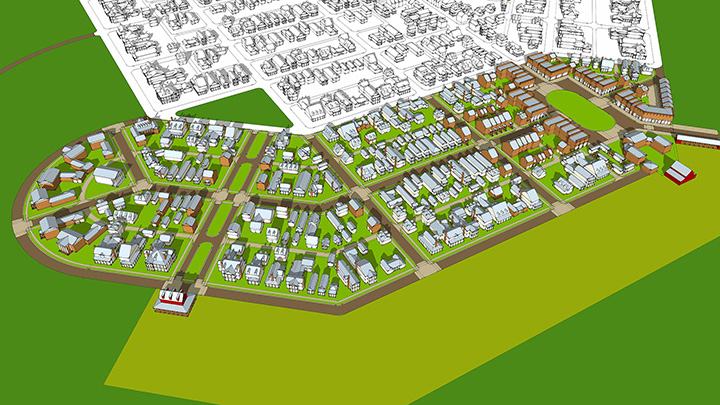
Lotus Mission
The Lotus Mission is an assisted living facility for people with autism meant to be a deeply healing place by enabling their clients to live as normal residents in a place that is an urban extension of an existing town, and to be economically viable by working in all parts of the local food chain; roles at which people with autism excel.

Missing Middle Housing
Healthy urbanism benefits greatly from Missing Middle Housing, which often made up the majority of its fabric in older cities and can do so again today. The wealth of connections Missing Middle Housing makes possible gives strong opportunities for the togetherness that is key to community and healing of the mind.

Outdoor Rooms
Wanda and I are writing a book on outdoor room design which has many benefits, including the fact that few settings are so healing as being surrounded by nature. And not just the plants, but also water in its many forms from pools to fountains, breezes stirring the curtains, and the many small creatures inhabiting the rooms and its borders.

Outdoor Room Secrets
The previous post is on the outdoor room design book we're writing; this post contains many of the principles, tools, and techniques that led up to the book and that will be included therein. I call them "secrets," not because they're protected in some way, but because it's basic stuff everyone building outdoor rooms should already know.
Place Recovery
The process of a place recovering from an unfortunate or even disastrous condition is healing at the scale of a place, not just a single person. But many of the tools shared by the place recovery types can help individuals heal from the conditions of body, mind, and spirit from which they are suffering.

The Necessity of Hope
Without hope, we do not build, as this post explains. But without hope, we also do not heal. And there are multiple ways in which hope operates, both in place-making and in healing of the body, the mind, and the spirit. Patience, generosity, and connection are the three high ideals of the Original Green; hope is their fuel, as it is the fuel for healing.

Townhouse Guidelines
Townhouses are a Core type of Missing Middle Housing, with a wealth of connections that provide strong opportunities for the togetherness with neighbors that is key to community and healing of the mind. These guidelines elevate townhouse design to competence, aiding in attracting those seeking a more connected setting.
Search the Original Green Site
Buy the Original Green book on Amazon

Rather Buy Indie?
Contact Sundog Books at Seaside, which is our favorite bookstore ever!
Speaking
I speak on the Original Green across the US and abroad. Would you like for me to speak (via Zoom these days) at your next event?
Got an idea?
If you have an idea for a story, or know about work we need to feature...
Subscribe
... to receive periodic Original Green news releases. Here's our full Privacy Policy, where you'll see that we will not share your info with anyone else, nor will we sell it to anyone. All three fields required.
Home
Origins
Foundations
Nourishable Accessible Serviceable Securable Lovable Durable Adaptable Frugal Education Economy Culture Wellness
Resources
Original Green Scorecard Initiatives Presentations Reading List Quotes Links Tweetroll
Stories
OGTV
Media Room
Bios Press Speaking
© 2021 Mouzon Design, Inc.