Generosity
Generosity has been a high ideal of the New Urbanism since the beginning, embodied in the benevolence of Leon Krier in helping guide the early days of Seaside through its nascent planners DPZ, who had just launched their own firm. Generous urbanism can be made up of big moves like parks, greens, squares, and other civic spaces woven into the urban fabric, but it's not entirely altruistic because views into nature and other civic spaces has long been proven to boost the value of surrounding real estate substantially more than the value of land given to those spaces.
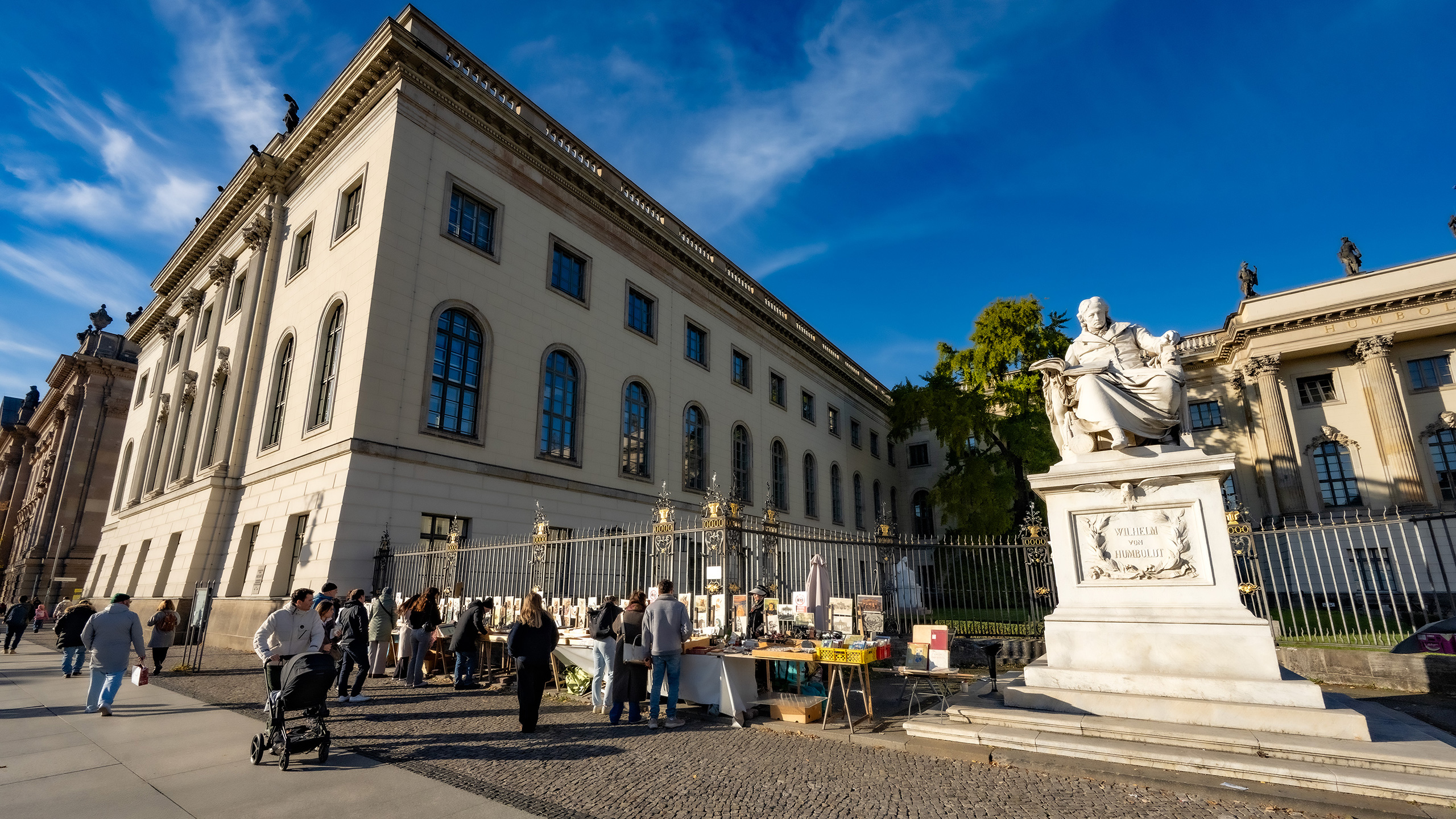
This is Humboldt University of Berlin, appearing to have an "idea sidewalk sale," except I didn't see any transactions, so it must have been more of an "idea gift-fest." It seems strange that an institution, the business of which is knowledge, would be giving knowledge away to the surrounding community. But thinking back to my teen years when Mother was starting her health food store, I remember her giving away many things to those who shopped with her. Business might call such practices "loss leaders," but that's where a store entices you in with a cheap price in order to get you to buy other higher-priced stuff. But that's bait-and-switch, not generosity. I asked Mother why she did what she did, and she said "I want people to know this is a place where they can get help."
When your ultimate goal is the well-being of the people you're serving, that's true generosity. And that's what true generosity in the built environment does: it sets the stage for people to thrive, and to live their best lives. And in doing so, the place thrives as well. Generosity begets generosity.
Sharing Principles
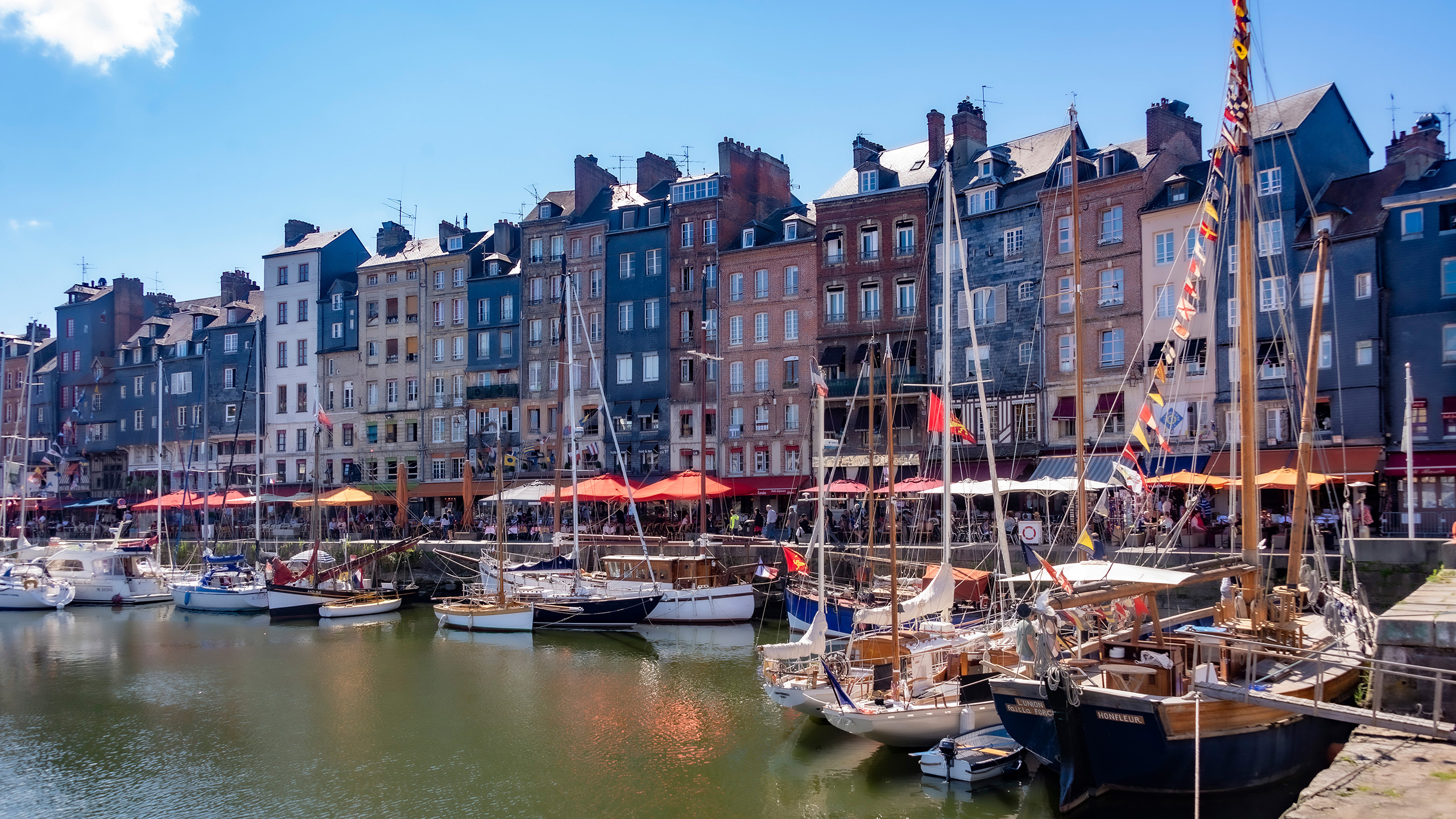
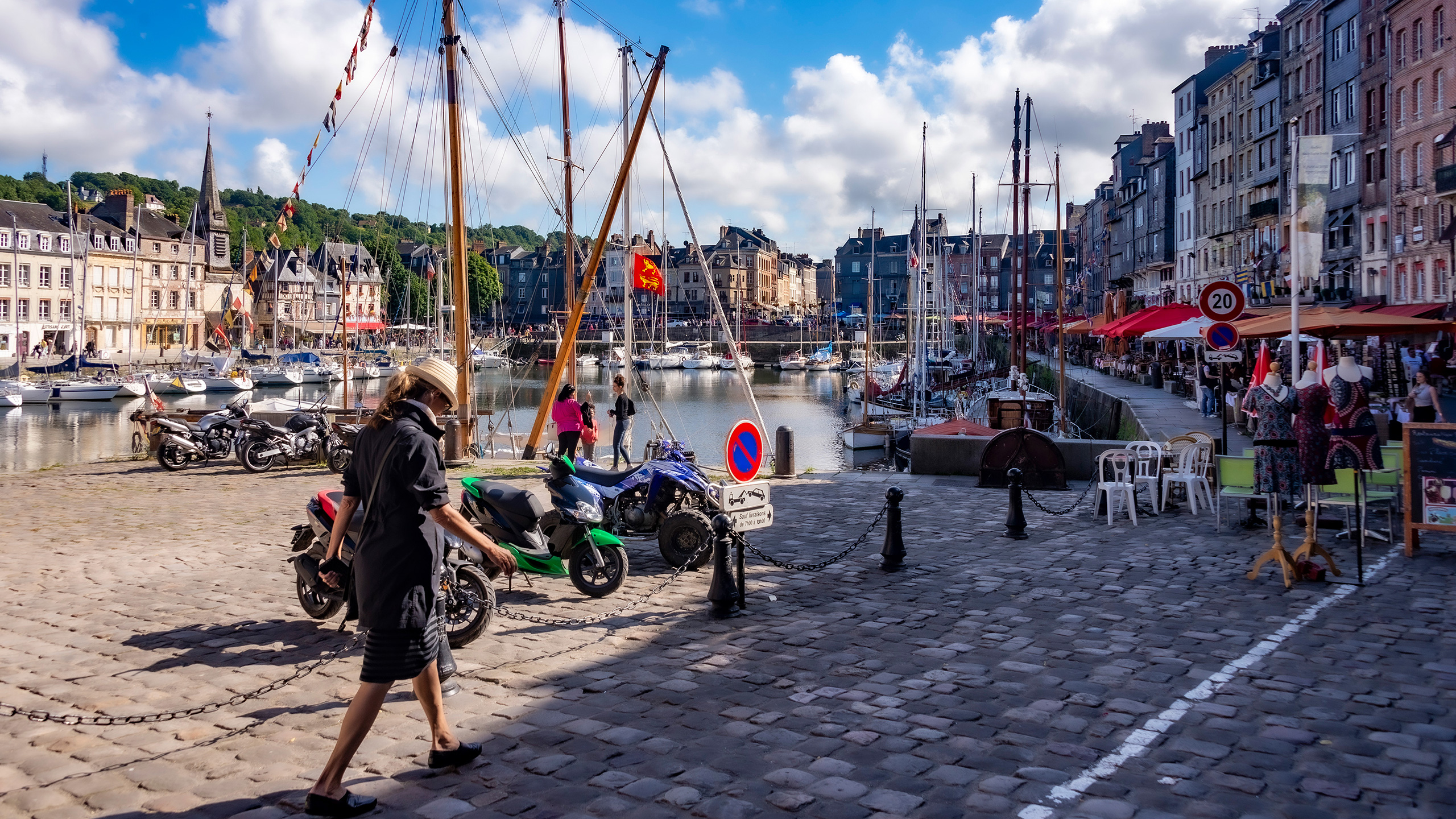
Most of the images on this page are from Honfleur, a town in Normandy which excels at sharing its urbanism at every turn. This is the harbor, fronted by buildings the scale of those in Paris' Haussmann arrondissements while the rest of Honfleur is half this intense. This achieves the goal of putting the most eyes on the town's strongest visual asset, which returns benefits to the town from all those residents and guests enjoying the view, and all the activities along its edge.
Generosity Through Generations
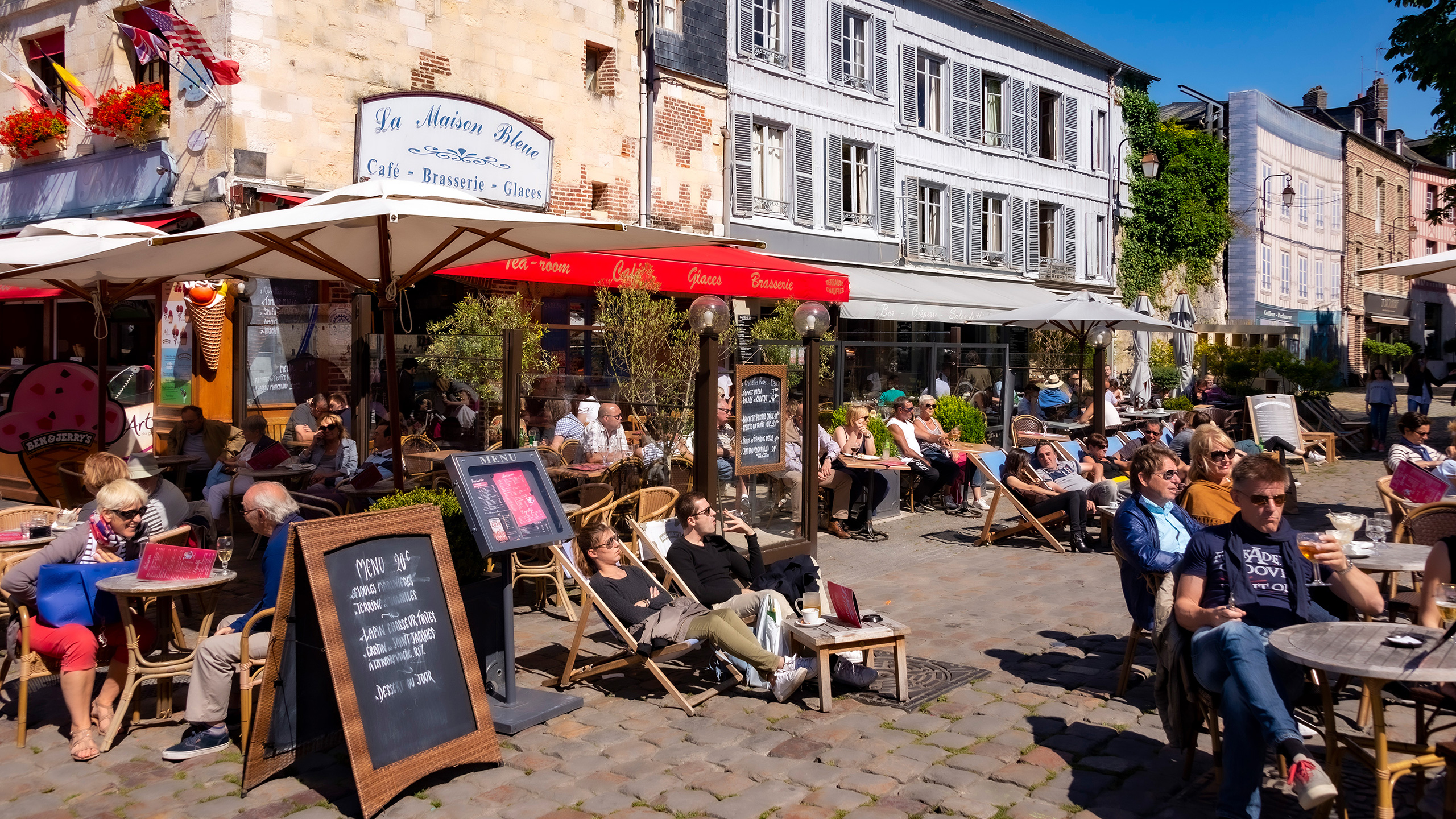
Masterful marketers seek vibes that appeal to targeted demographics, and are able to profit from that ability. It is far better, however, to build places people love across generations because appeal that escapes any hive of the like-minded and draws from across the ages of life is a deeply human thing. "Places people love" doesn't specify any demographic. Just people. And the places they love.
Nature's Edge
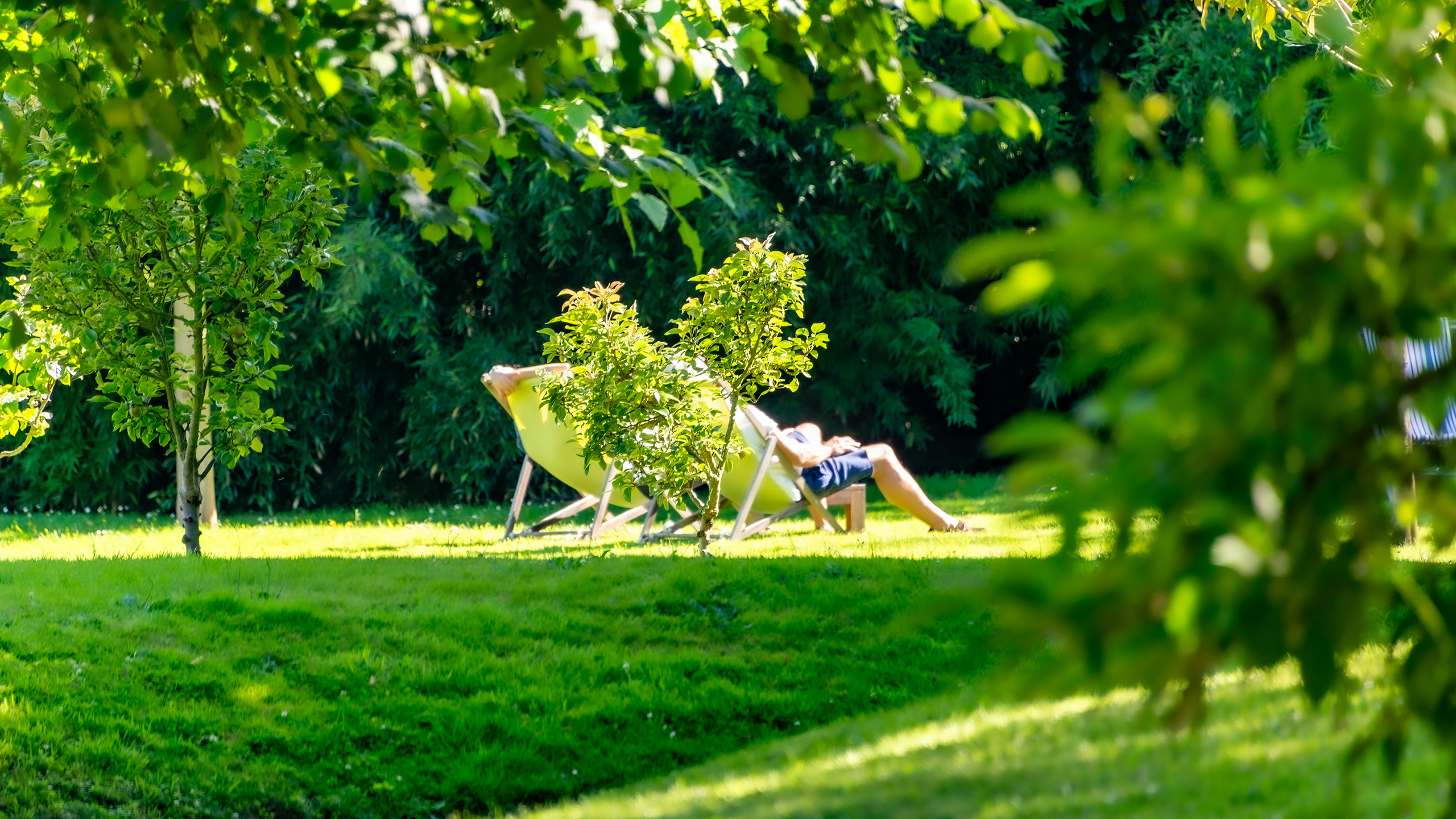
People are drawn to nature in its many forms, including forests, fields, and waters. But how generous is a place in opening up nature to you at the edge of the urbanism? Growing up in sprawl, it was clear that I could drive for miles without finding a place where I could park my car, get out, sit down, and enjoy relatively undisturbed nature. So the highways edged with billboards and fences don't do it because while we can whiz by a natural scene at Interstate speeds, that's not real enjoyment. And country roads aren't so speedy, but how often do you find a compellingly natural spot on the roadside? Maybe at "scenic overlooks" every hundred miles or so? The city, as paradoxical as it sounds, is the best setting on several counts.
The first step is for a city or town to be willing to protect its edges that face into nature instead of just srpawling on forever. Next, it needs to set up destinations on the edge. Some should be designed for quiet contemplation, like the intimately-scaled beach pavilions at Seaside, Florida; others for more vibrant scenes like along a promenade. And then ensure that the walk and bike network is designed to get you easily to these places on nature's edge.
I remember a long-ago Seaside Pienza Institute trip to Tuscany, studying the agricultural edge. US residents came, saw, considered it impossible, but then asked "how can we do this back home?" For the next few years we failed to find the formula. But on a rescue project originally planned as cul-de-sac sprawl, we finally cracked the code. The originally-planned sprawl would never have been anything but large-lot subdivisions despoiling stunningly beautiful land with ancient trees dating back over a century. But we decided to triple the number of homes in order to support a local economy of neighborhood-scale businesses while at the same time condensing development into compact hamlets, villages, and a small town. That gave everyone a short walk to long views of the aforementioned forests, fields, and waters.
Because of this generosity, residents rewarded the Town Founders richly; soon after people got the real picture of what we were doing, the developed value of the land jumped to 25 times what it was in subdivisions all around. But in spite of that, and because we set out from the beginning to have a 15:1 range of values, we were able to deliver housing more affordable than had been available in that market in a couple decades. So generosity works. For us all.
The Gift of Health
This is Wanda, walking along the waterfront of the Honfleur harbor, enticed by the sights, smells, and sounds of the city. Generous places tend to be healthy places because Walk Appeal is so strong there that walking a lot is just a natural part of living life. I've talked about growing up in sprawl and into clinical obesity by my early 40s, before moving to Miami Beach to collaborate with New Urbanist colleagues nearby. That was the goal of the move, but the side-effect of losing 60 pounds by just living life in the generous urbanism of South Beach may have saved my life, as I doubt I'd still be alive today on my old sprawl-induced trajectory.
Conditions of Generosity
Generous urbanism building on the principles above do so with physical things, but often in subtle ways. Unlike buying a ticket to entertainment of some sort where you're the customer purchasing content and then sitting there passively consuming the content, the best acts of generous urbanism aren't the show; they're the stageset for humans to do things humans love to do.
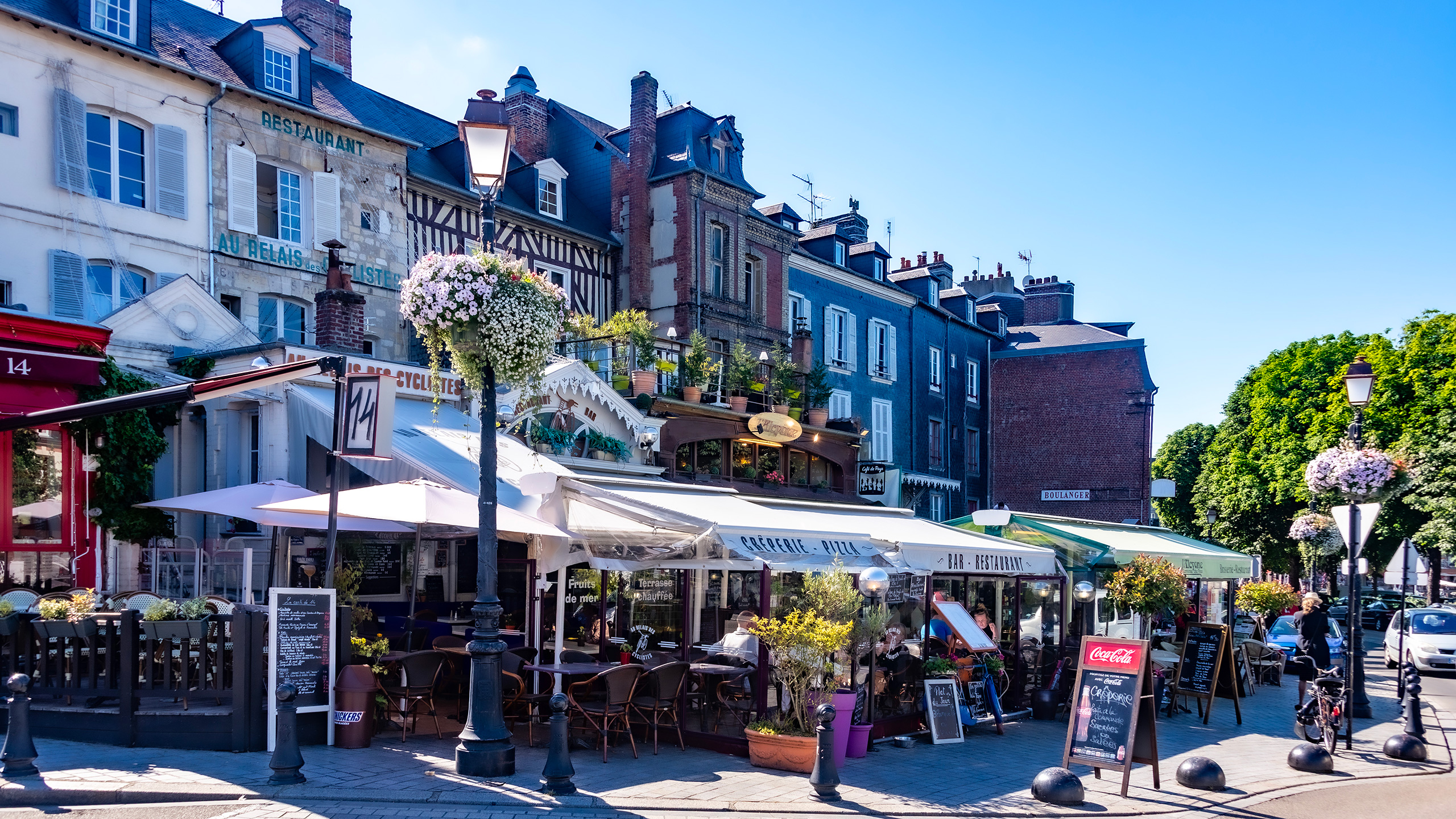
The image above is of a culinary frontage, where a little later in the morning, a lot more people will be sitting at the restaurants, bars, and bakeries overlooking the harbour out of view to the right, visiting with old friends, getting acquainted with new ones, and planning all sorts of things for later in the day, or even later in life. So be a set designer for your townspeople and their visitors where they will naturally do what people do.
Invite Exploration
A street network of short blocks opens many choices, with the implied invitation to "come explore our town." Frequent intersections lead to discoveries not found on long blocks or dead ends. So invite people to keep walking. Or rolling; whatever their means of transport.
Really thin blocks have another benefit: because there's no great distance from anywhere inside to a window, or a door to a balcony, gallery, arcade, or colonnade. People are easily drawn to the light, and the benefits of people enjoying the view, or the breeze, doesn't stop with them; a streetscape filled with people standing at a window or sitting on a balcony above make the street more interesting to those walking by below. And there is nothing more interesting to humans than other humans.
Follow the Old Paths
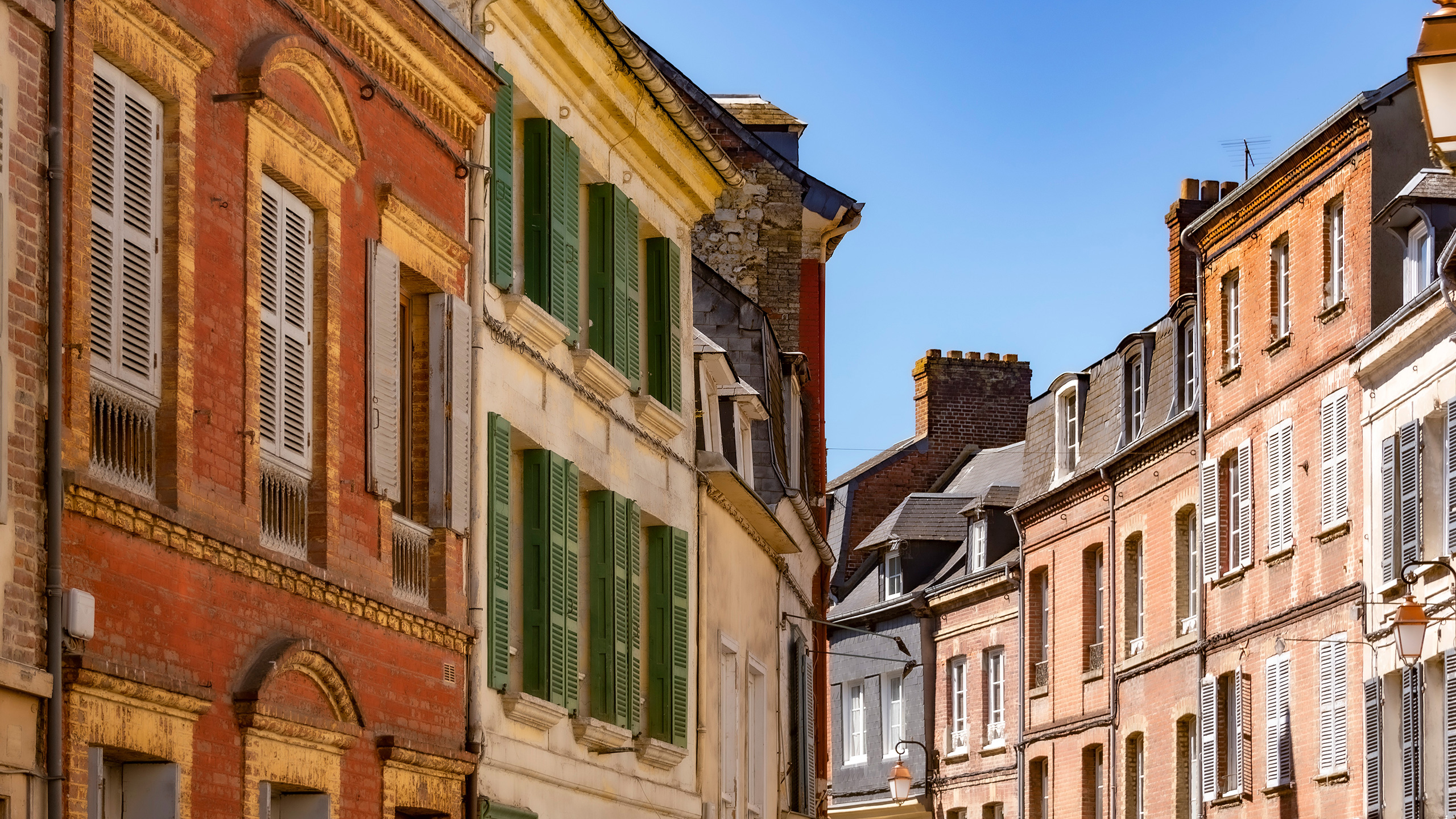
The short-block street network may often be rectilinear, but there's often an old path or two following ancient footpaths or cow paths compelling enough in its trajectory, its destination, or its distant views that generous Town Founders or those who follow them retain those old paths, irregular though they may be, like this one enfronted by multi-story mixed-use buildings that have grown along its path over time as it curves around to an unseen destination on the left. Or it could be as grand as Manhattan's Broadway, slicing through an otherwise regular street grid, delivering delights like the Flatiron Building, which mediates between path and grid in a way so compelling that it creates multiple Instagram Moments.
Gifts to the Street
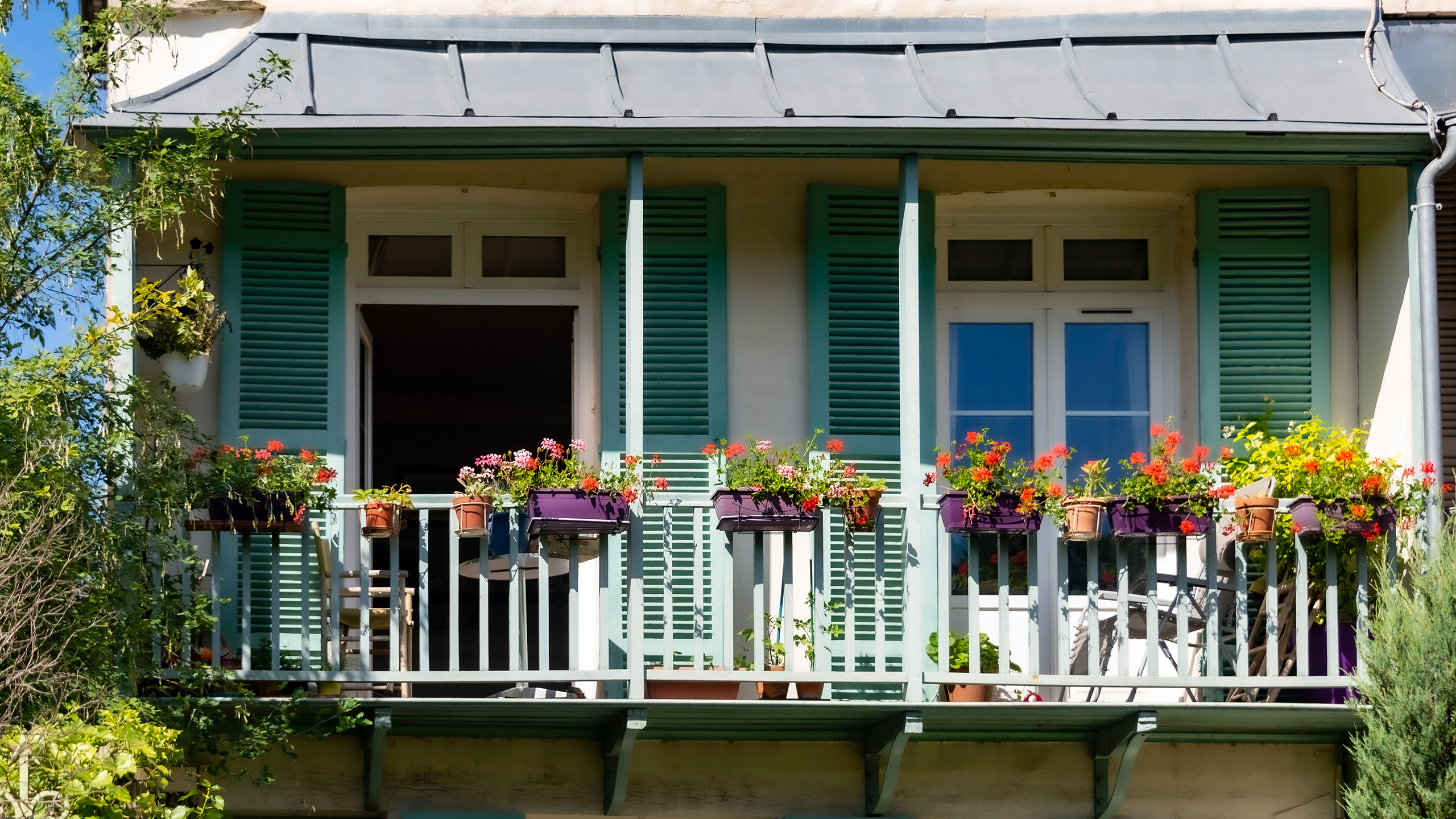
You've heard of double-edged swords; this is a double-edged gift. It's not just designed to entertain people walking by, but also for the residents sitting on the balcony, with their lovingly-tended balcony garden equally visible from street and seat.
Generous Geometry
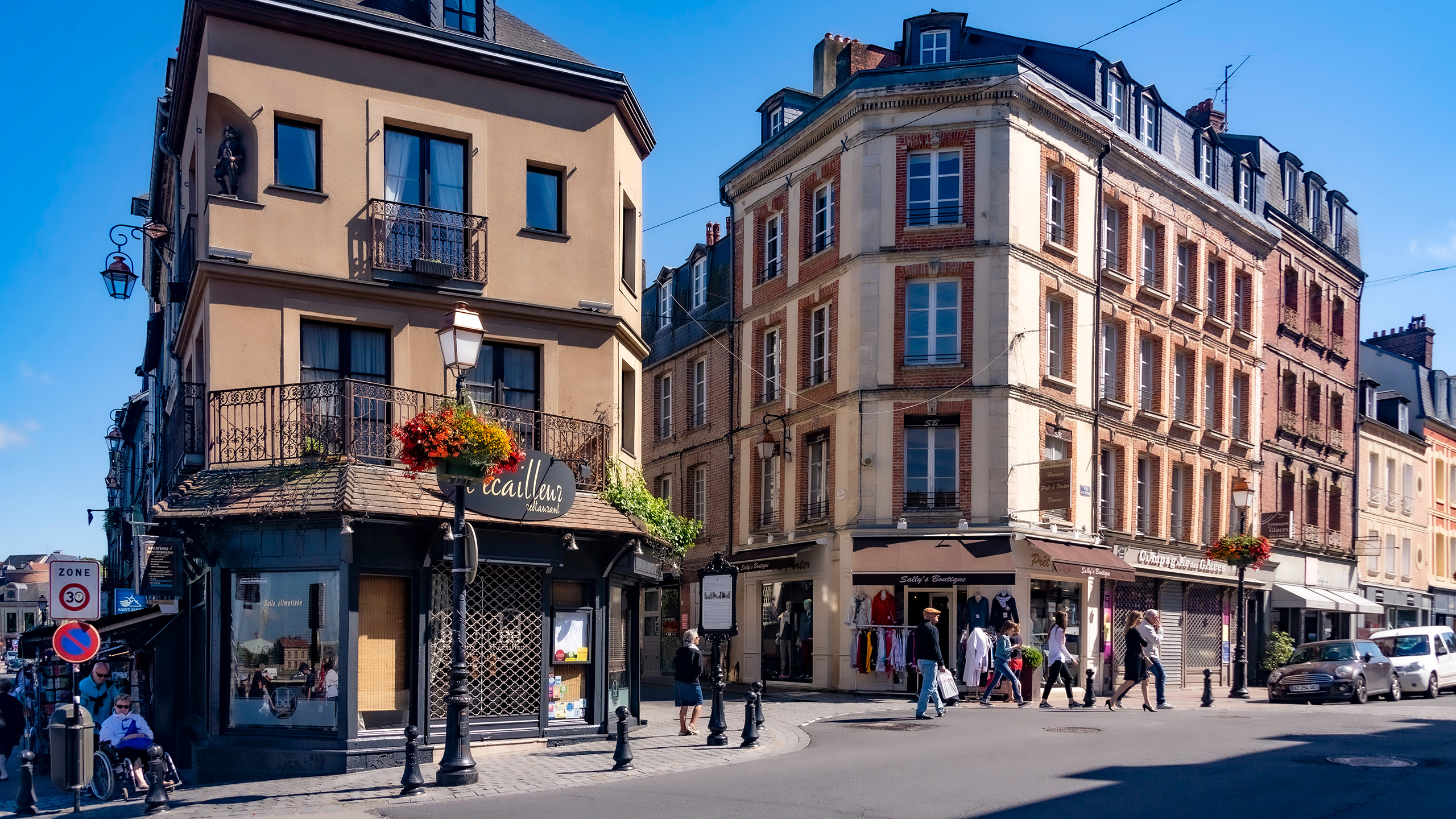
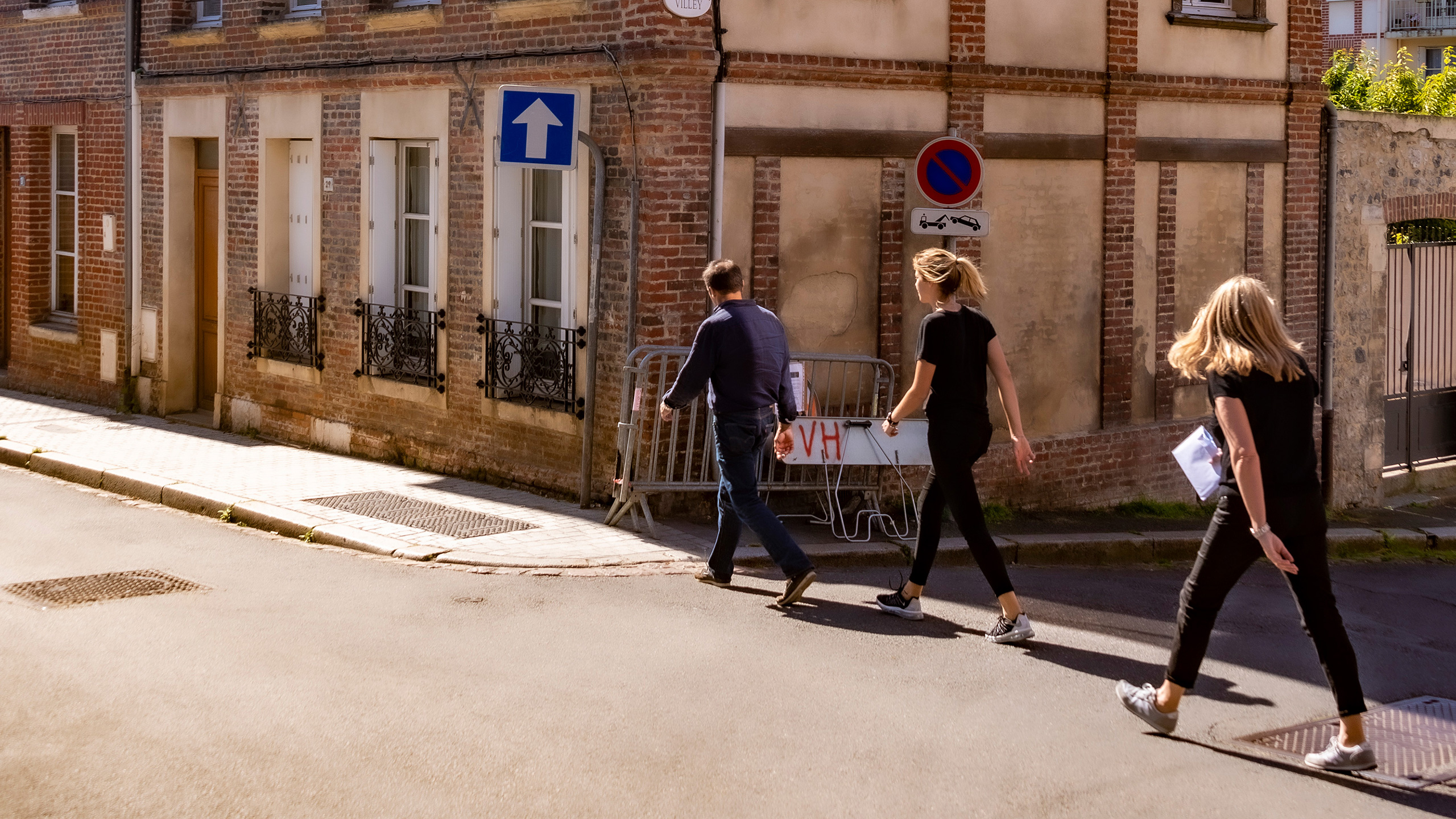
Look closely at the street geometry at this intersection: the streets are so narrow that these three people need only a handful of steps to get across. And the radius of the curb the man is about to step across is barely five feet, while most municipalities in the US ban any radius less than fifteen feet, because that slows the cars down, which the doctrine of auto domination cannot tolerate. So to a driver, this street scene looks absolutely stingy. But to people walking or biking, it looks like a generous invitation to explore the town in safety and relaxation.
Tales & Tools
These ideas support the Generosity ideal of the Original Green. The Tales are on Original Green Stories, while the Tools are in Original Green Resources. Several of these ideas support other ideals, foundations, and the Living Tradition Operating System because the Original Green is massively interlinked, so you'll see them listed wherever appropriate.
Declaration of Independence From Sprawl
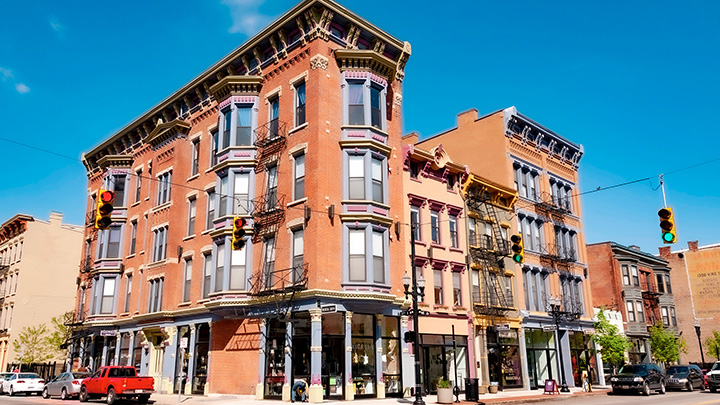
The preamble closely follows that of the US Declaration of Independence but reverses the Original Green sequence to begin with healing, sharing reasons at each step as to why sprawl serves us poorly compared to Original Green places. It is meant to be a foundational place document, reminding residents why decades later.
Generous Urbanism - How to Build It
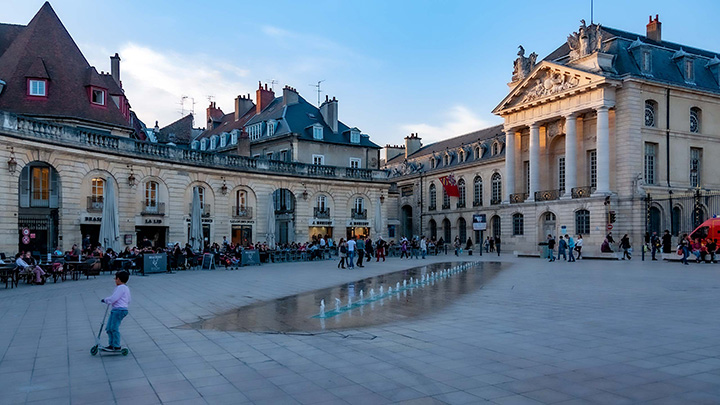
Generous urbanism gives back plazas, squares, greens, and parks to the city instead of carpeting every acre within the city limits with development draw more people to them over time. How many billions of dollars of real estate value has NYC's High Line generated since opening in 2009, for example?
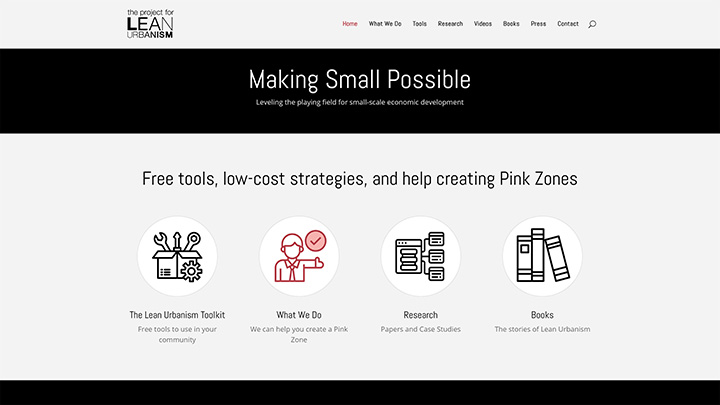
Lean Urbanism
The Project for Lean Urbanism, hosted by the Center for Applied Transect Studies is a generous initiative, seeking to lower barriers to entry for the small and disadvantaged not usually found in "big-boy development" and with a goal of Making Small Possible. Their Pink Zones are places where the red tape is lightened.
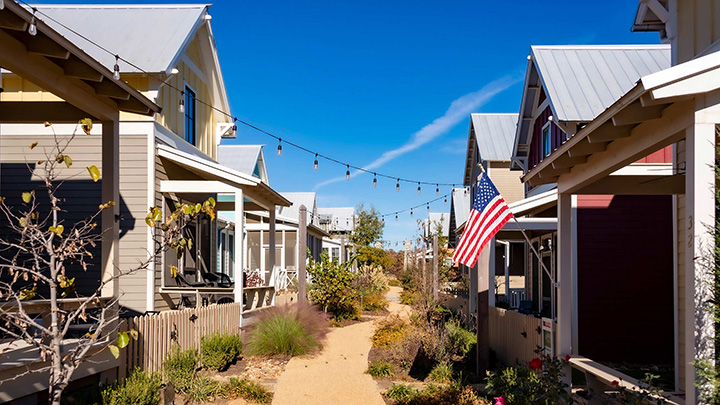
Light Imprint
Tom Low's Light Imprint initiative is generous on both the supply side by delivering delight, and on the demand side by requiring far less investment in development infrastructure. Put a bit less technically, a Light Imprint neighborhood is a far more joyful place to live than one full of pipes and stones, and it costs substantiall less to live there.
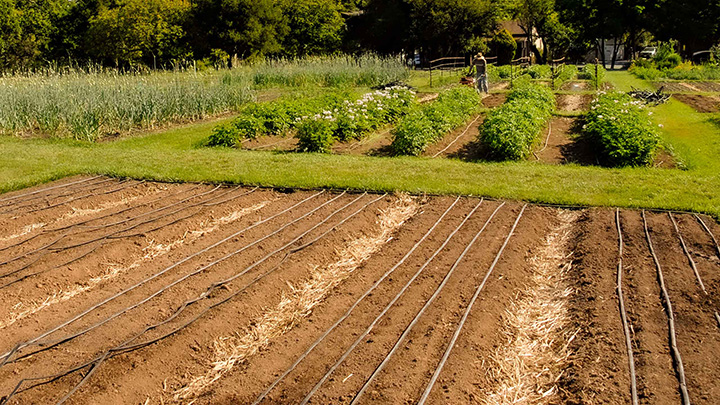
Planting Seeds of Better Design
One of Wanda's career-changing conversations occurred in a grocery store parking lot, and it led us on several ventures getting products out which acted as seeds to help others do better work, including Town Architect services with which we've helped refine $billions worth of other people's designs.
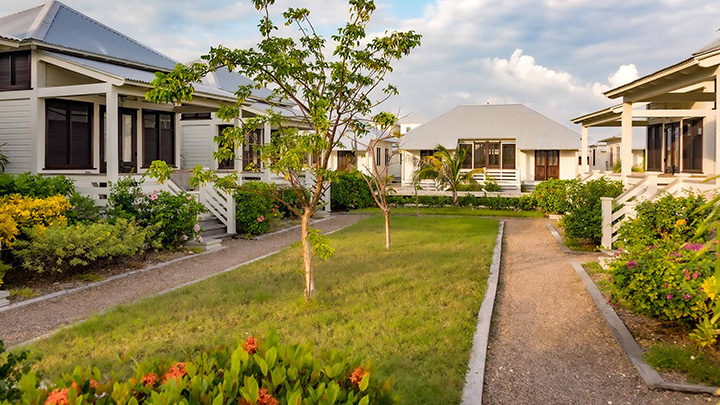
Project:SmartDwelling
Project:SmartDwelling pulled a double-play of generosity in the first couple months of its existence. The Urban Guild came together right after the Meltdown to share wisdom necessary to craft our response to the collapse of the housing market. Shortly thereafter, Lizz Plater-Zyberk handed off a commission so we could design SmartDwelling I for the Green House of the Future story in the Wall Street Journal.
Rural-Urban Transect
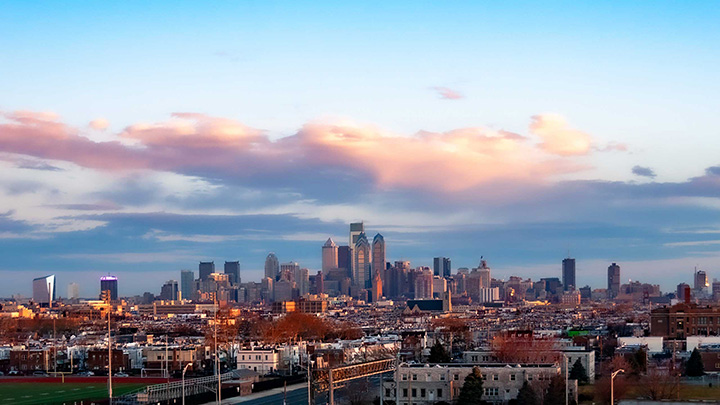
DPZCoDESIGN, as they have so often done with so many initiatives, developed the Rural-Urban transect then generously handed it off at no charge to colleagues. Frank Greene and I did the first Transect-based planning as a result. And the Transect is now the Operating System of countless urban plans by New Urbanists and beyond.
Sitting Lightly on the Land
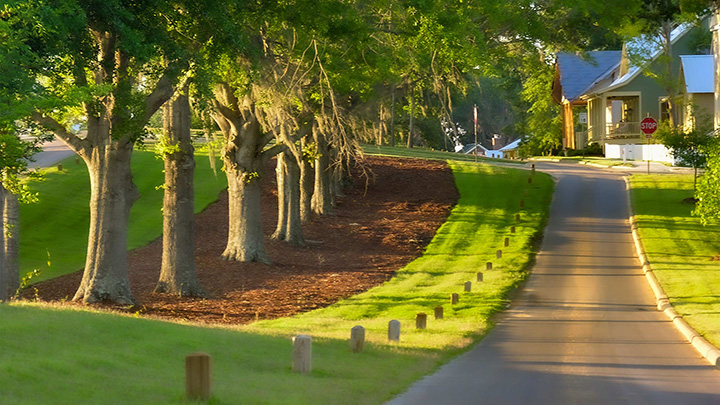
One of the most generous things a planner can do when designing on rolling land is to preserve as much of the existing topography as possible, which helps preserve existing trees and waters as well. This can save a few $million in grading expense and give future residents a far more interesting place to live and work.
Sprawl Recovery
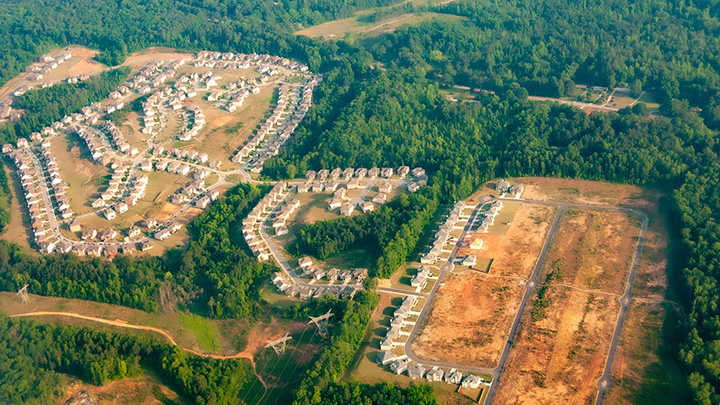
Sprawl is a great thief, producing a negative Return On Investment (ROI) wherever it's built, eventually bankrupting its host city. Recovering from sprawl is therefore the most generous thing any sprawling city quarter can give to its city, and it comes with many Original Green benefits.
Urbanism ROI
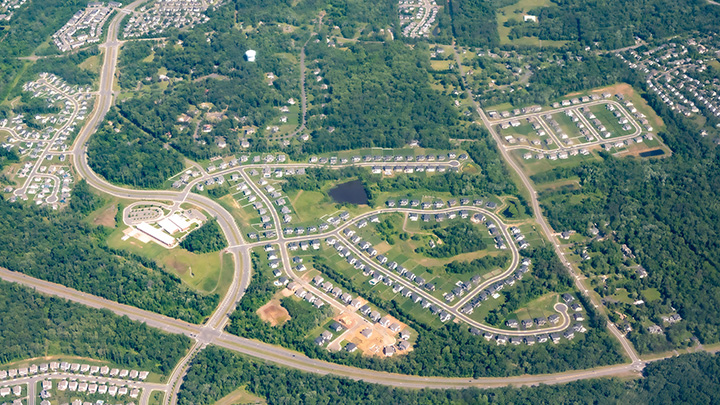
Charles Marohn of Strong Towns and Joe Minicozzi of Urban3 are the prophets of Urbanism ROI sharing broadly how sprawl never has a positive Return On Investment (ROI), and will eventually bankrupt every city fiscally dependent on sprawl's upfront revenue because sprawl is the biggest Ponzi Scheme ever.
Walk Appeal
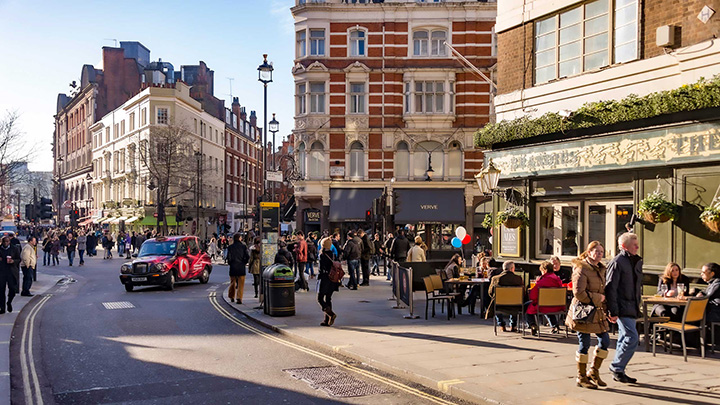
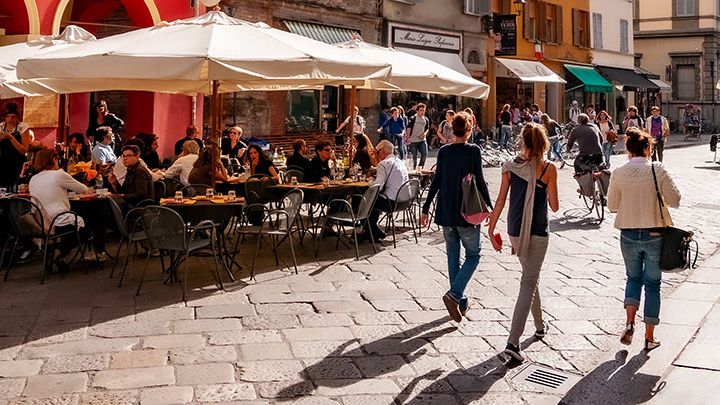
Do you want coffee that’s just drinkable? A meal that’s merely edible? Or would you buy a book that's only readable? Of course not! We want things that are aromatic, delicious, and engaging! So why should we settle for places that are just walkable? Just like we love food and drink that’s delicious and books that are enthralling, people strongly prefer a place generous enough to be a joy to walk!
Walk Appeal Development
For urbanism geeks only! If you're interested in the development process of the Walk Appeal idea, begin with this post. You'll find links at the bottom to following ideas as they were developed over time, enriching the idea set to the point that it will hopefully become a book someday soon.
Search the Original Green Site
Buy the Original Green book on Amazon

Rather Buy Indie?
Contact Sundog Books at Seaside, which is our favorite bookstore ever!
Speaking
I speak on the Original Green across the US and abroad. Would you like for me to speak (via Zoom these days) at your next event?
Got an idea?
If you have an idea for a story, or know about work we need to feature...
Subscribe
... to receive periodic Original Green news releases. Here's our full Privacy Policy, where you'll see that we will not share your info with anyone else, nor will we sell it to anyone. All three fields required.
Home
Origins
Foundations
Nourishable Accessible Serviceable Securable Lovable Durable Adaptable Frugal Education Economy Culture Wellness
Resources
Original Green Scorecard Initiatives Presentations Reading List Quotes Links Tweetroll
Stories
OGTV
Media Room
Bios Press Speaking
© 2021 Mouzon Design, Inc.