Enjoying Society
A society that is learning is getting smarter, and a society that is prospering is getting wealthier, but if you're smarter and wealthier but have no joy, what is the real worth of those other attainments? Or what if the things we enjoy are packaged for performances around the country so you only get to enjoy them rarely? Joy is best served daily as one of life's main ingredients, not a rare spice, so most of this foundation is about daily joy in the place where you live.
Enjoyment Principles
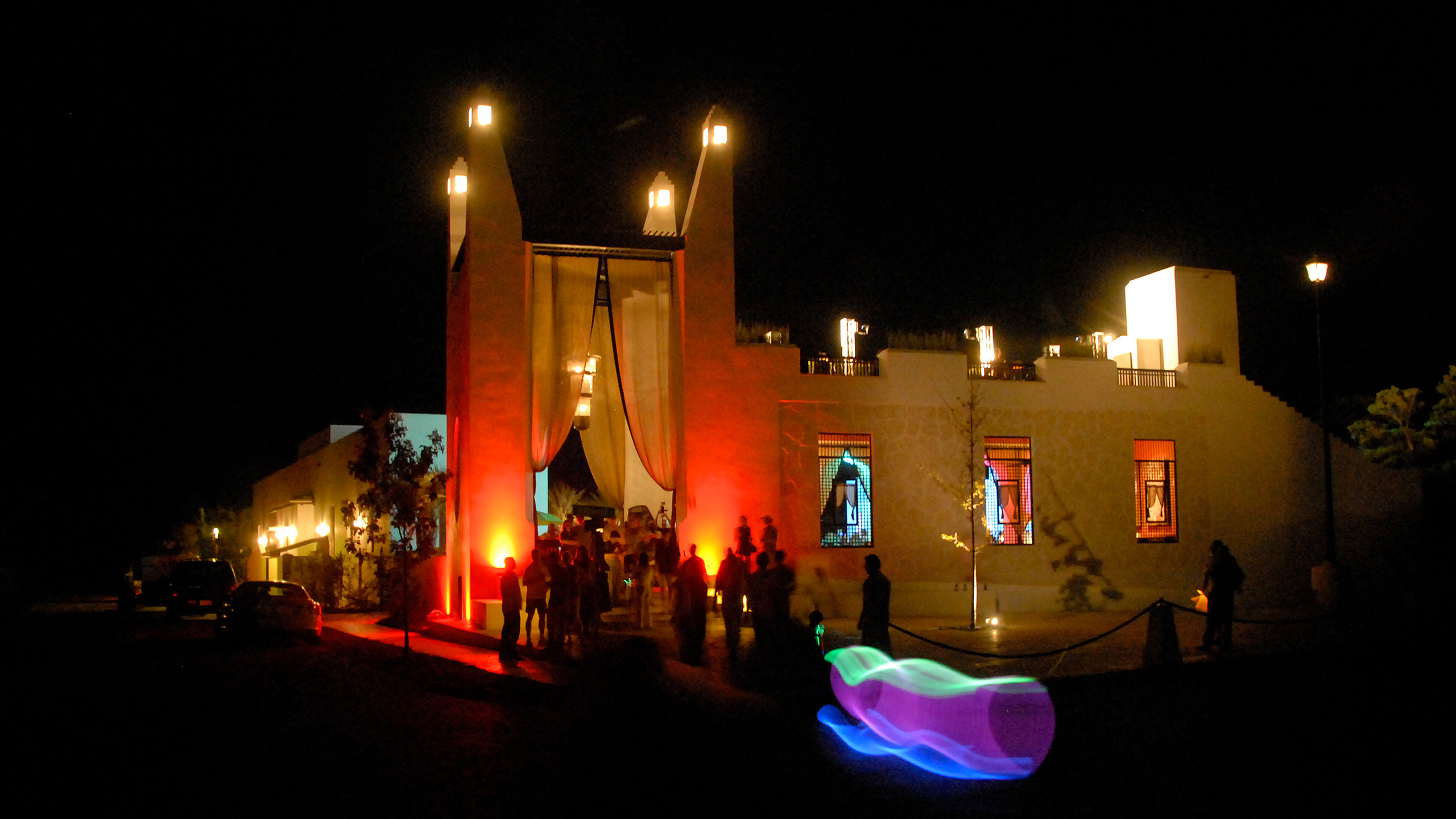
Joy is best discovered, not scripted. It's fine to have a ticket to a performance of your favorite band, but it's better to round a corner and be surprised by something that brightens your entire day, and which you'll remember for years. As a result, there are fewer enjoyment principles than enjoyment settings.
Local Environment
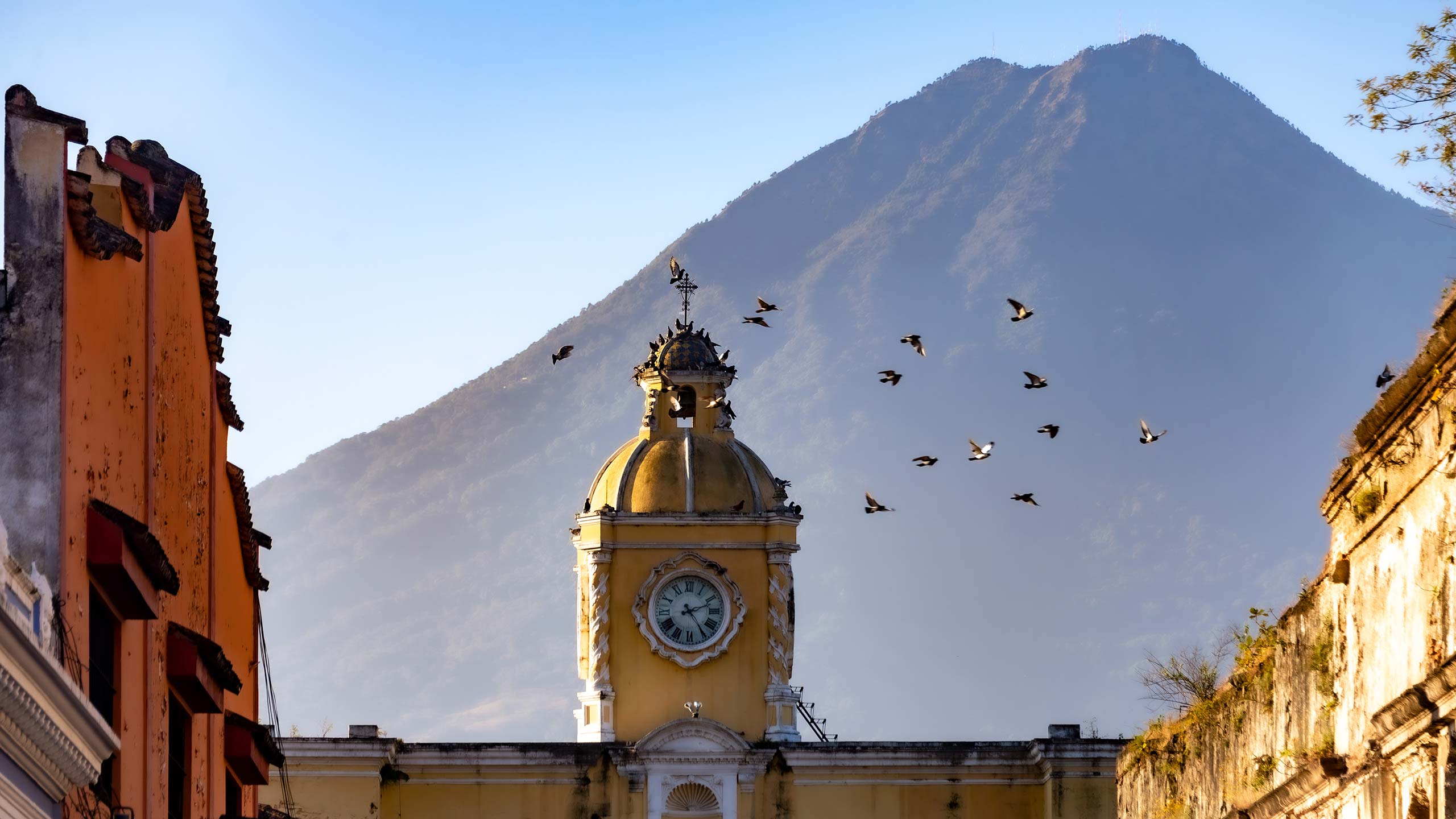
We are as much peoples of where we are as we are peoples of what we do. Mountain people. People of the plains. River people. People of the seaside. Especially when the local environment isn't always friendly. Like the volcano in the background here, or on a coast frequented by hurricanes. It takes a special culture to live in a place where great beauty can occasionally turn deadly.
But never turn your back on it. Our first year in Miami Beach brought several hurricanes to the region, and the first one didn't seem fierce enough for evacuation, so we went out to Ocean Drive where one of the restaurants was hosting the first hurricane party we had ever seen. We hung out for awhile, then walked out to the beach and sat on the sand, watching the storm move in for an hour or two until making our way back to where we were taking shelter that evening.
So embrace the characteristics of your hometown about which visitors often say "that's not normal," and become some of the people of that place.
Seasonal Enjoyment
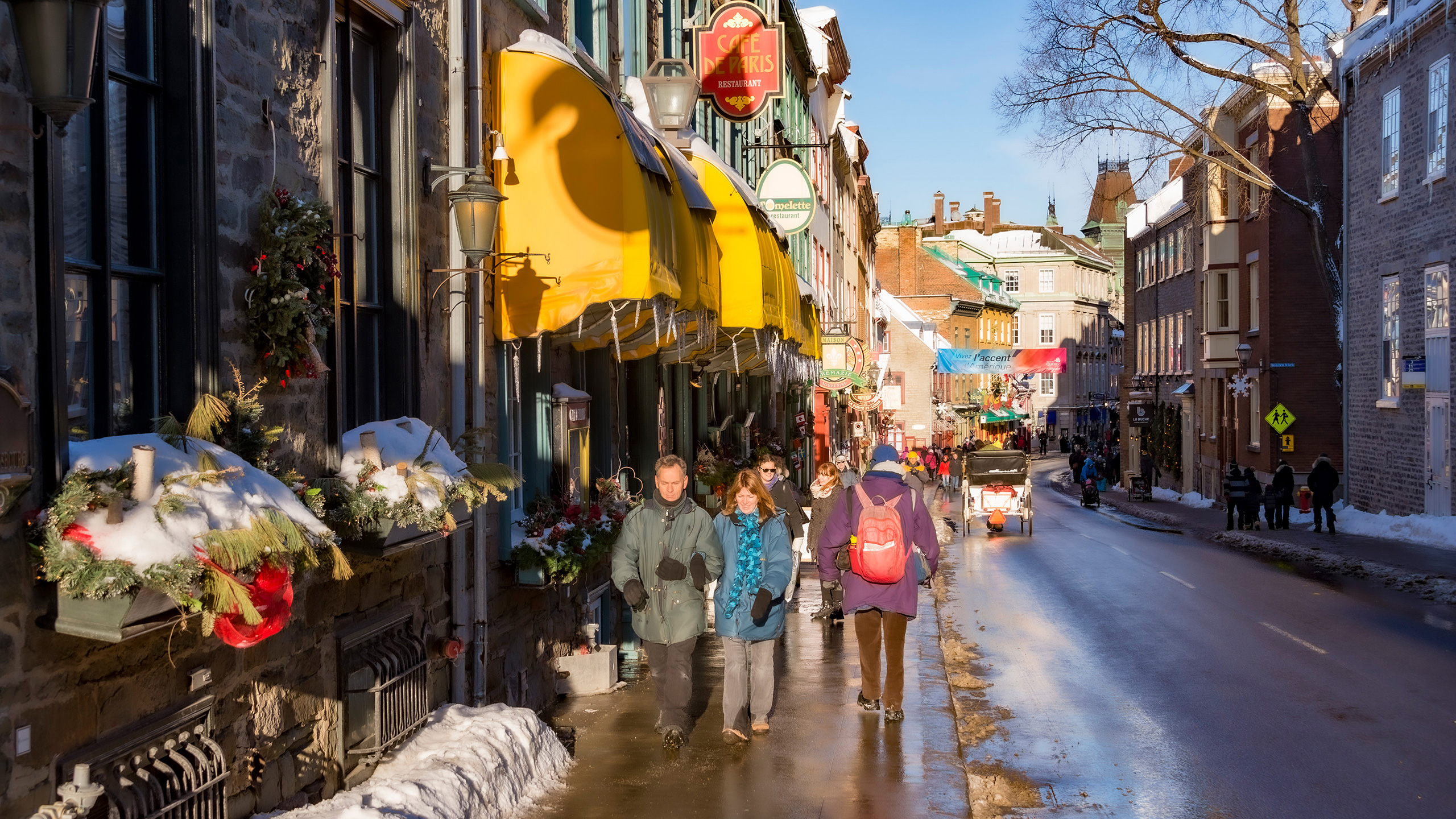
It was bitterly cold on that late January day when I arrived in Quebec City for the first time, at least from my perspective, having just flown up from balmy Miami. But a walk around Old Quebec, a UNESCO World Heritage Site, that first afternoon made clear that the Québécois embrace winter dearly... and actively. To them, it's the season for getting outside, and with vigor. So do like they do, and welcome that season of the year that sets your region apart from all those other places from which your visitors arrive in that season of the year.
What of Popular Culture?
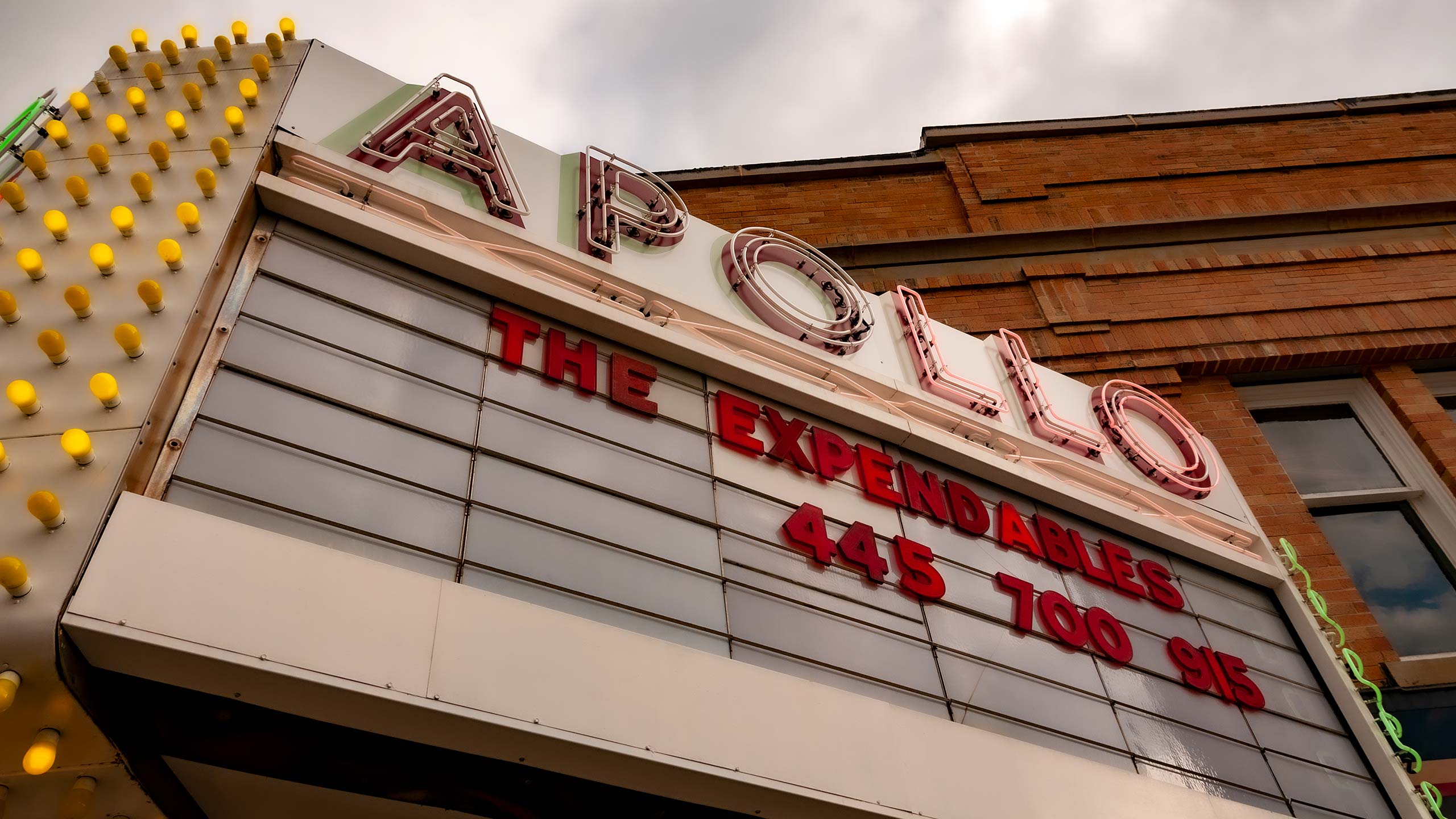
As much as some of my hardcore traditionalist colleagues might like to think otherwise, we cannot pretend that popular culture does not exist. The proper question is one of balance. Post-World War II, American culture became arguably as homogenous as in any nation that large in world history. The American Top 40 dominated the airwaves. On TV, you had a choice of three channels, and hot dogs, hamburgers, and apple pie became national icons.
So it's OK for the superstars to show up every year or so for a big gig, but annual events are by definition rare. If you want to enjoy your town every day (or at least every weekend), you need artists and performers from across the spectrum of the arts. Film is an exception, because actors show up only on the screen, not in person. So have a good cinema to supplement the in-person acts.
Enjoyment Settings
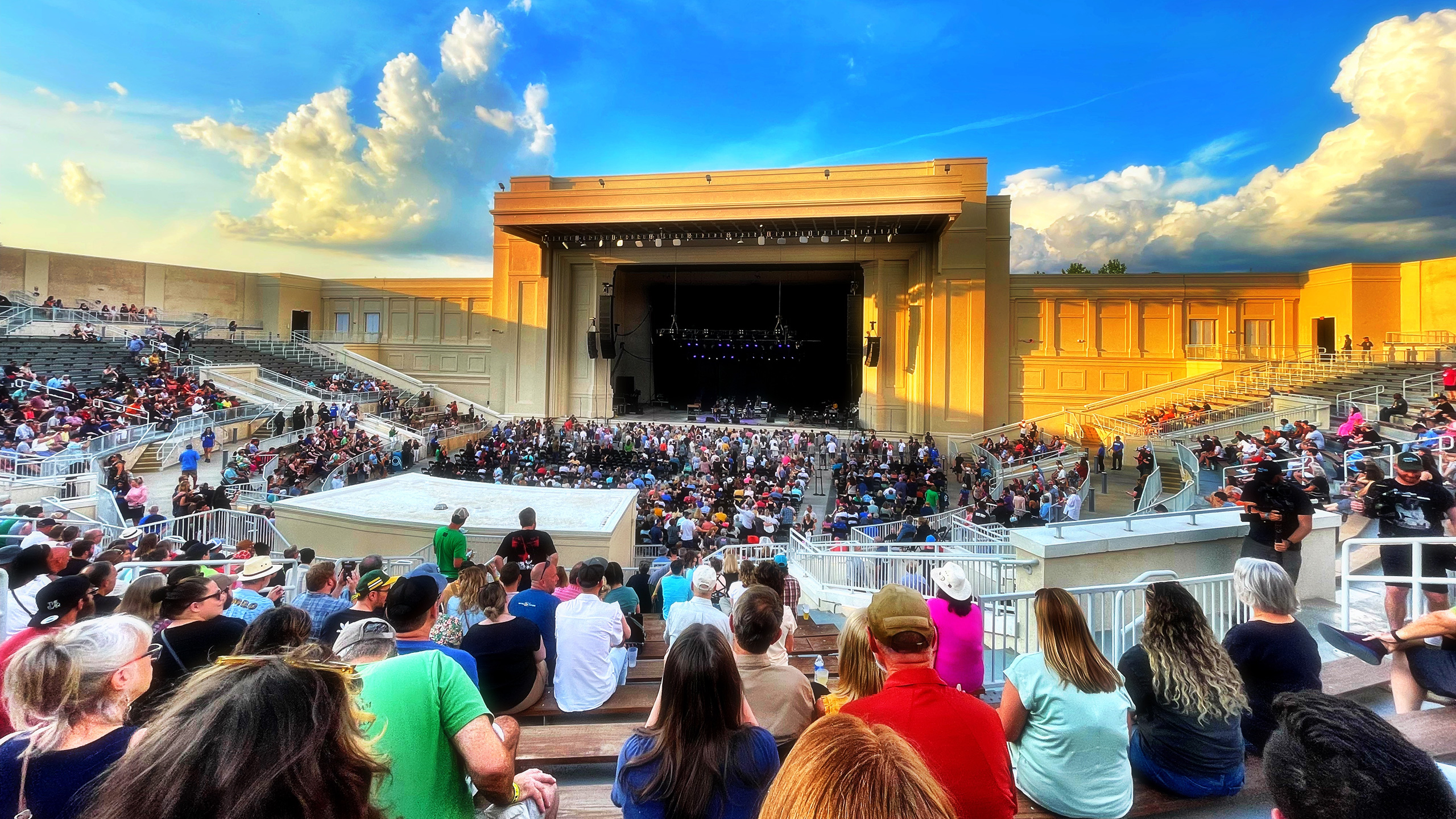
This is the First Waltz at the Orion Amphitheater in Huntsville, Alabama, a far larger setting than all but the next one below, with the crowd still filing in. It is the new musical performance magnet of north Alabama, with the global recording magnet being the double legends Muscle Shoals Sound Studio and FAME Studios, a bit over an hour to the west, where legendary acts including Aretha Franklin, The Rolling Stones, Bob Dylan, Cher, Paul Simon, Willie Nelson, Etta James, Otis Redding, Duane Allman, Alicia Keys, Lynyrd Skynyrd and many others have all recorded.
FAME and MSSS, being of global stature, are irreplaceable in most places. But a large performance venue in town is something many places can and should build for those infrequent instances when major acts come to town. But the settings below are places where those in town bringing grassroots joy can do so naturally and organically in more intimate settings. And because joy is the primary goal, there's a lot of crossover with settings on the healing society page because few experiences are more healing than joyful ones.
Stadiums & Arenas
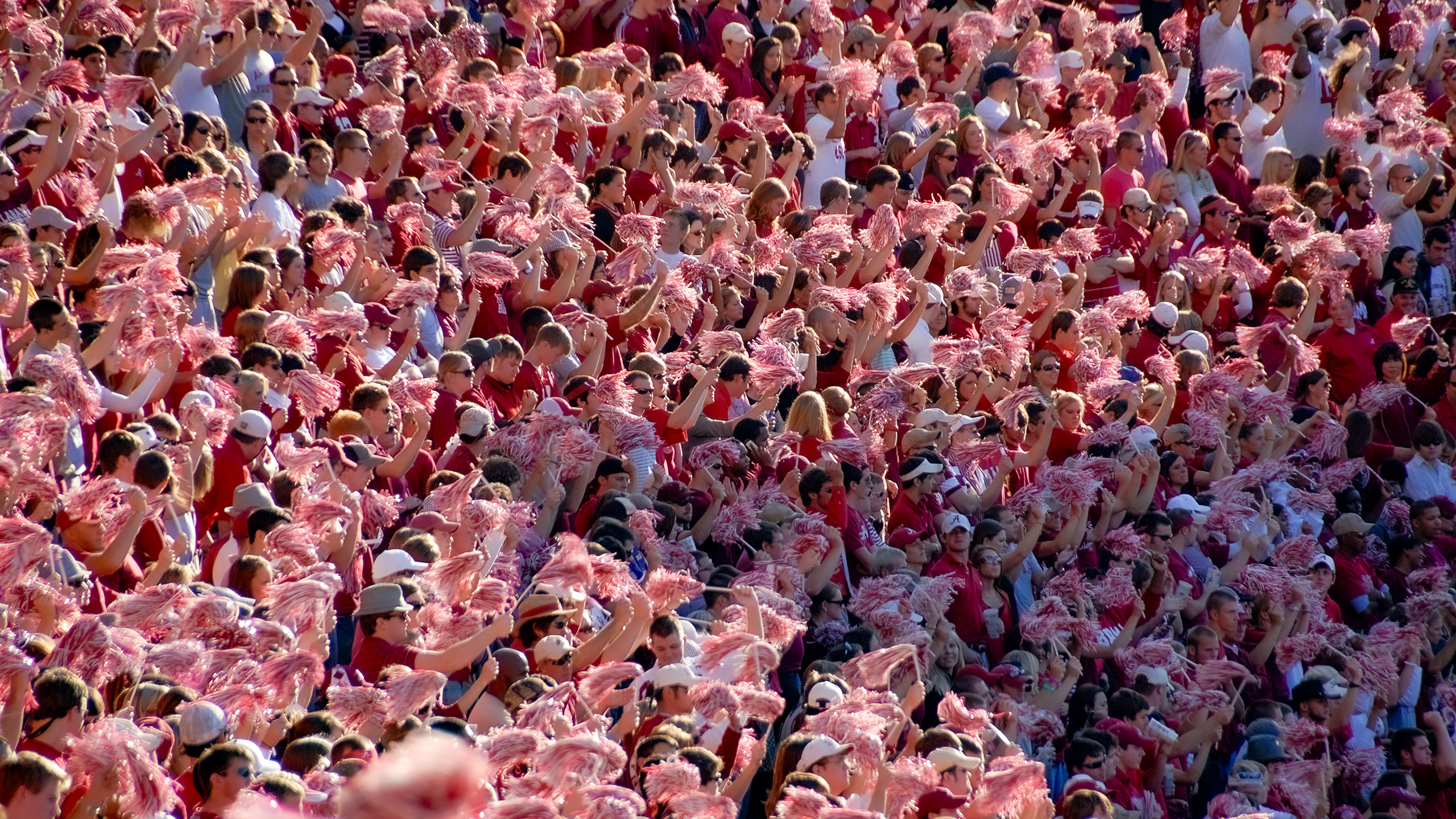
Few settings set a larger stage for fanatically-fueled togetherness than filling a stadium or an arena to cheer on the home team. Some of the settings below are for groups as small as one person, but this particular stadium holds about a hundred thousand people, which is more than the population of the college town in which it is located. It is used for games only eight or nine times a year, but exploits on the field can become legendary, remembered generations into the future.
Streets
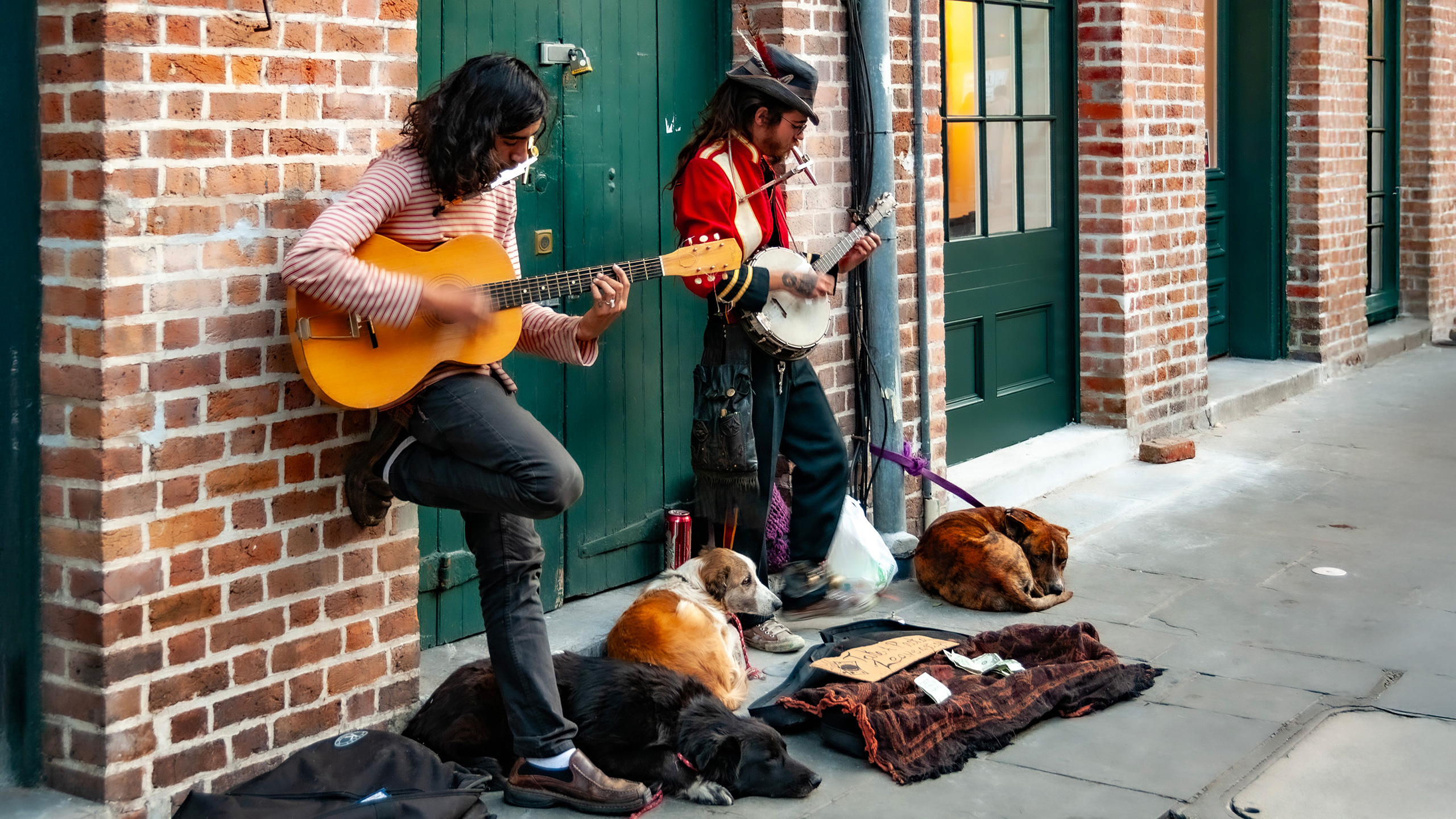
Of all the settings on this page, stadiums, arenas, and amphitheaters seat the most people for a single event. But the most frequent setting for enjoyable experiences is the street, and it's not even close because while there's usually just one stadium or one amphitheater in town, there are streets all over. And the best indicator of a place with an enjoying society is whether the artists show up; artists of music (like these two and their dogs), of food (sidewalk cafe), of acting (mimes, etc.) of athletics (acrobatic troupe), visual arts (portraits), and more. Cities should do everything they can to make sure their streets are filled with artists. If the townspeople enjoy the artists, visitors definitely will because the townspeople are the high standard, as they see the artists every day.
Civic Spaces
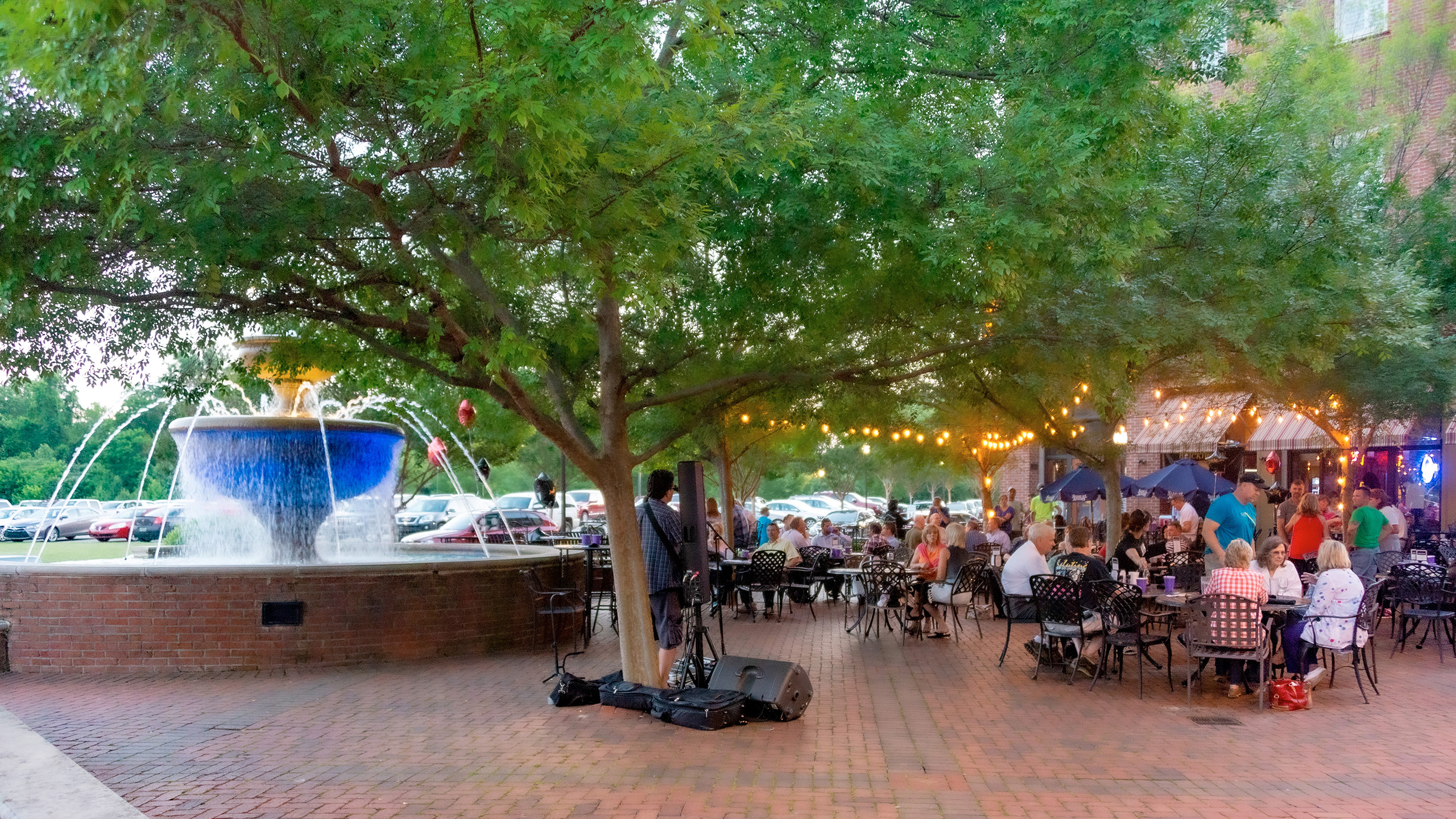
Civic spaces are just behind streets as the second-most frequent setting for enjoyable experiences. And the artist types are similar, but the enjoyable experience types can be paired, like these people enjoying both music and dinner. Pairing works better in civic spaces because they tend to be wider than sidewalks, and may be wider than Open Streets as well. Civic spaces capable of hosting enjoyable artistry include (from urban to rural) plazas like this one, squares, greens, and parks with subtypes of each.
High Place
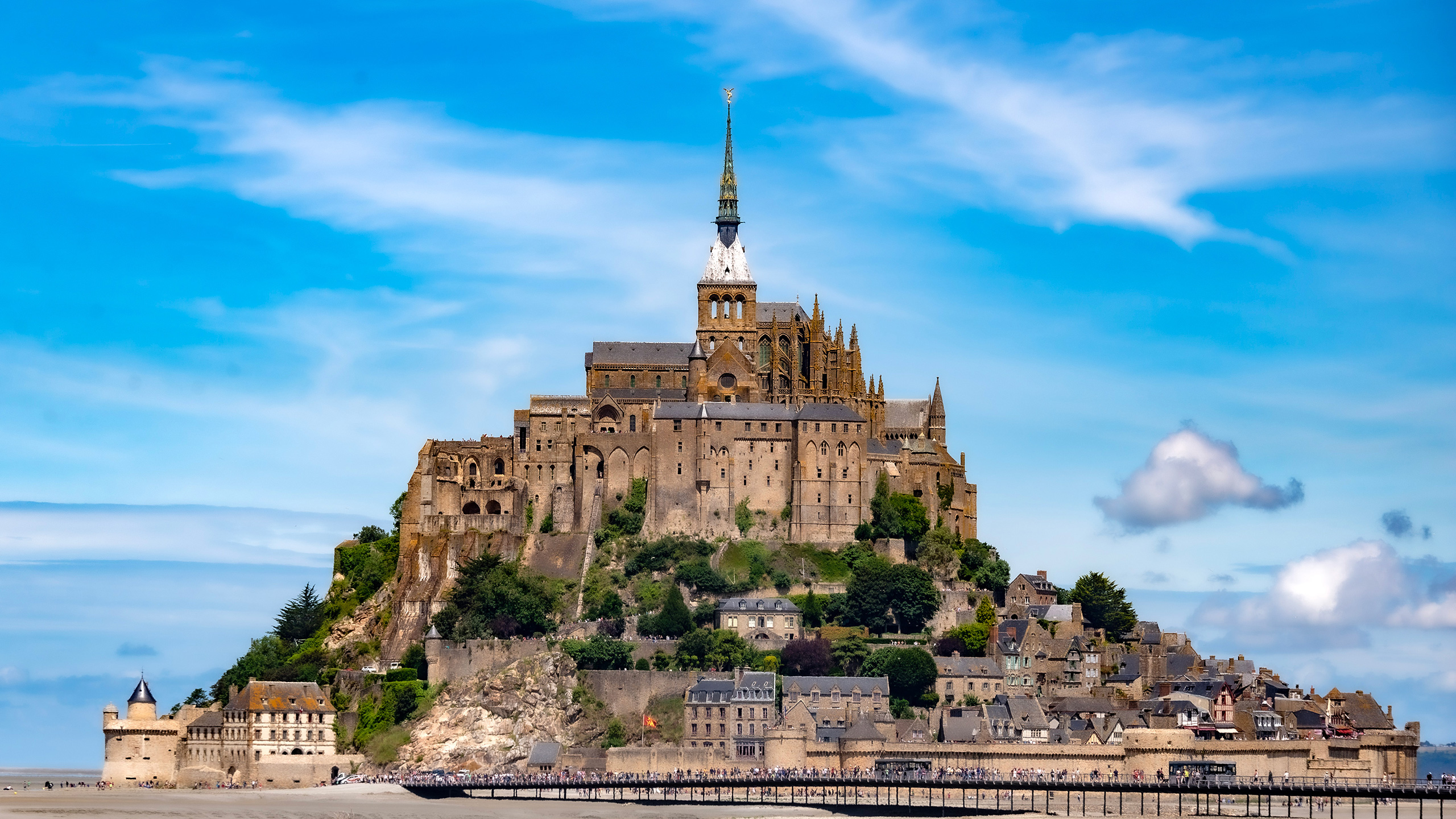
Never pass up a high place; it affords views you'll never see from ground level. And if you have acrophobia like I do, it is a challenging delight that can be terrifying, depending on what is between you and the ground far below. But in spite of my fear, the vistas are well worth the anxiety.
Water's Edge
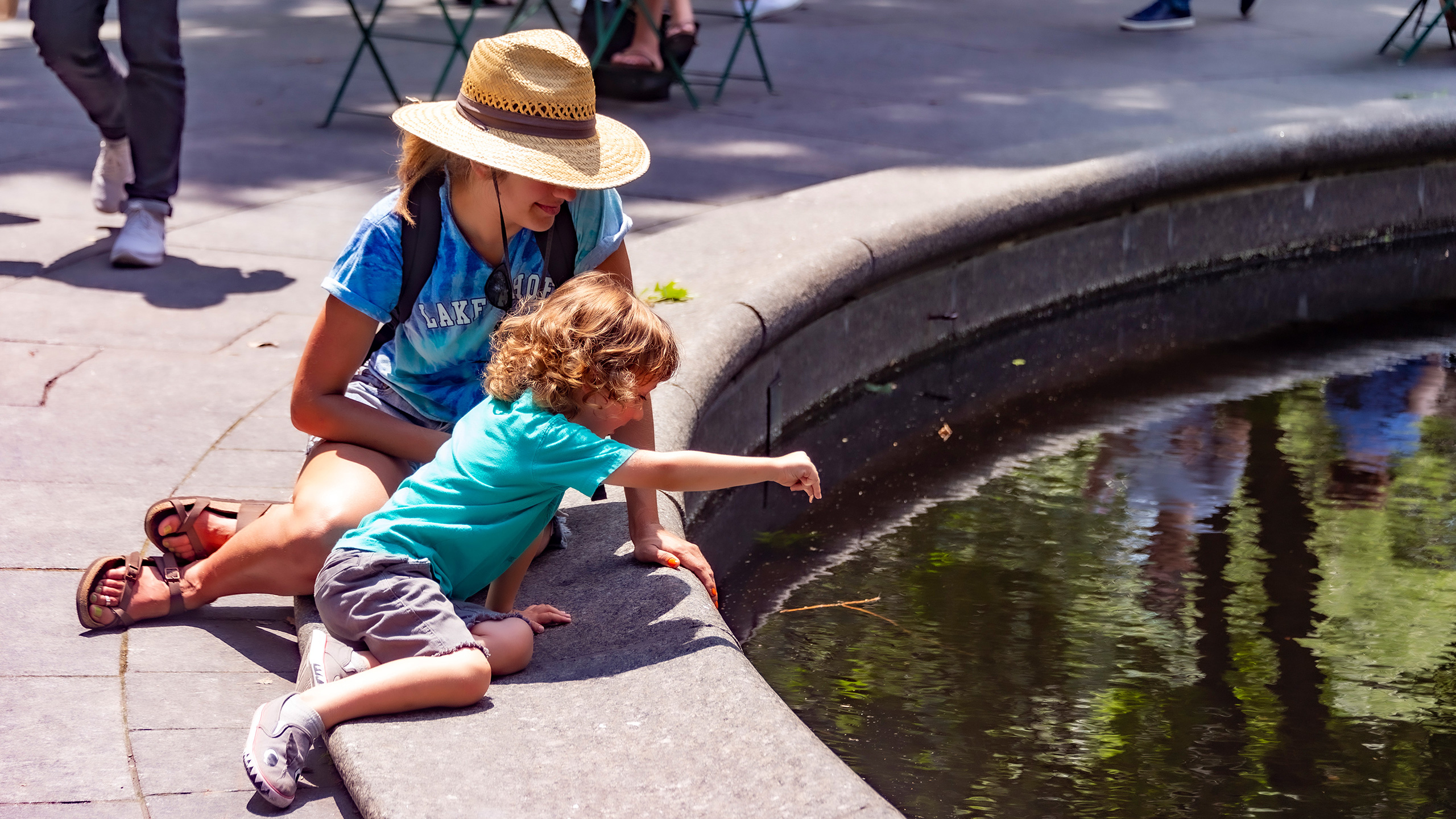
The opposite of a high place is the water's edge, and humans have been drawn there since time immemorial, and from an early age, like this woman's daughter. Modern infrastructure practices seek to bury water in pipes and other underground structures, but bring water back into the sunlight, and you're creating joy for many.
Sidewalk Cafes
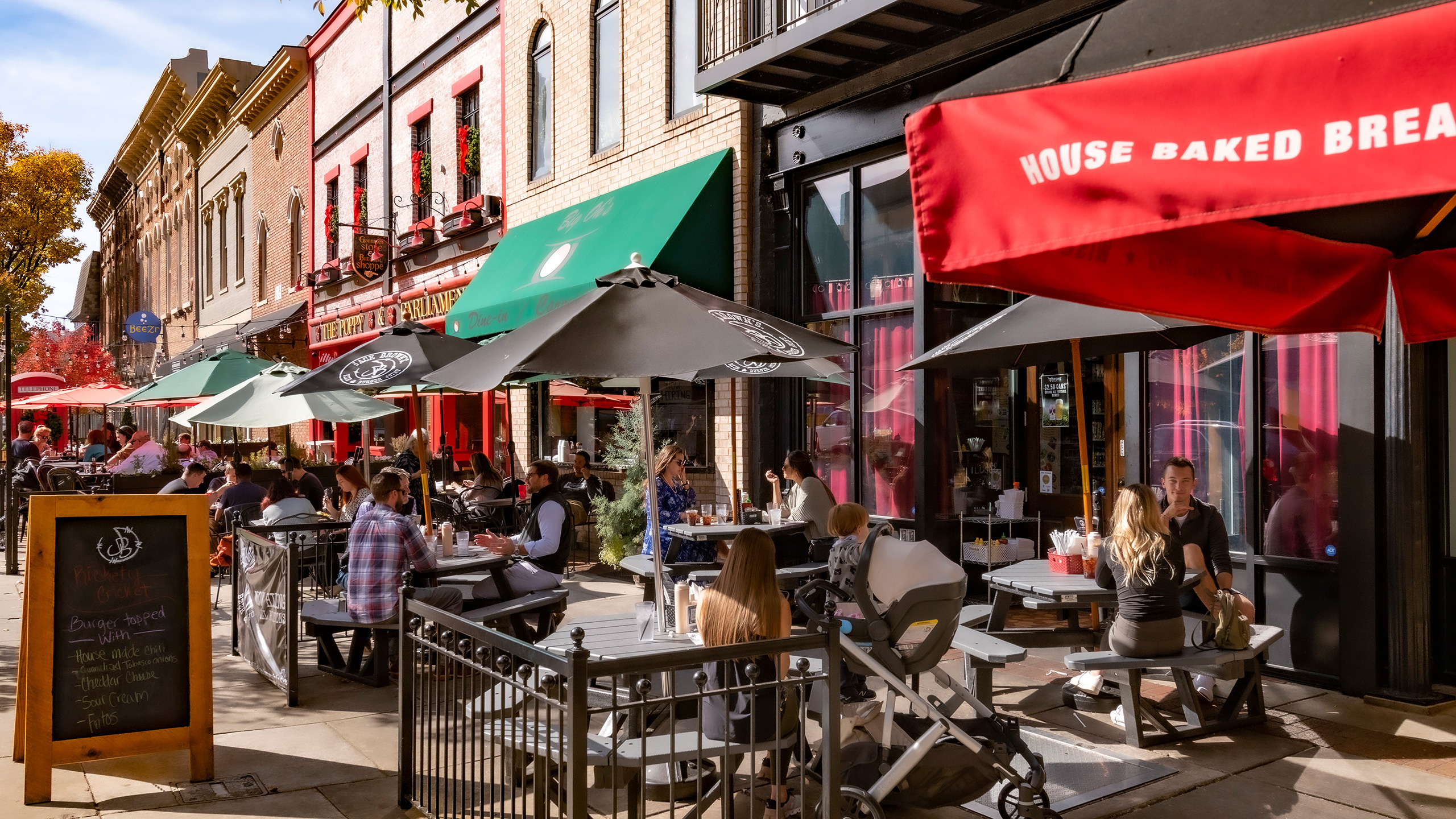
This is one side of the courthouse square in Huntsville, Alabama. For all my life, ground level space all around the square had been occupied by attorneys' offices, as is common practice across the country because many of their trials were right across the street. But in Huntsville, many of those square-fronting buildings were only lightly occupied above the first level so a visionary city leader persuaded the attorneys to move their offices up one level and rent their street-level space to restaurants on the condition that they had more seating outside on the sidewalk than indoors.
Cities are well-served by encouraging sidewalk cafes all over town, with the courthouse square being just one such setting. But this was such a brilliant move and it activated downtown so well that I have no better image with which to lead this discussion.
Food Halls
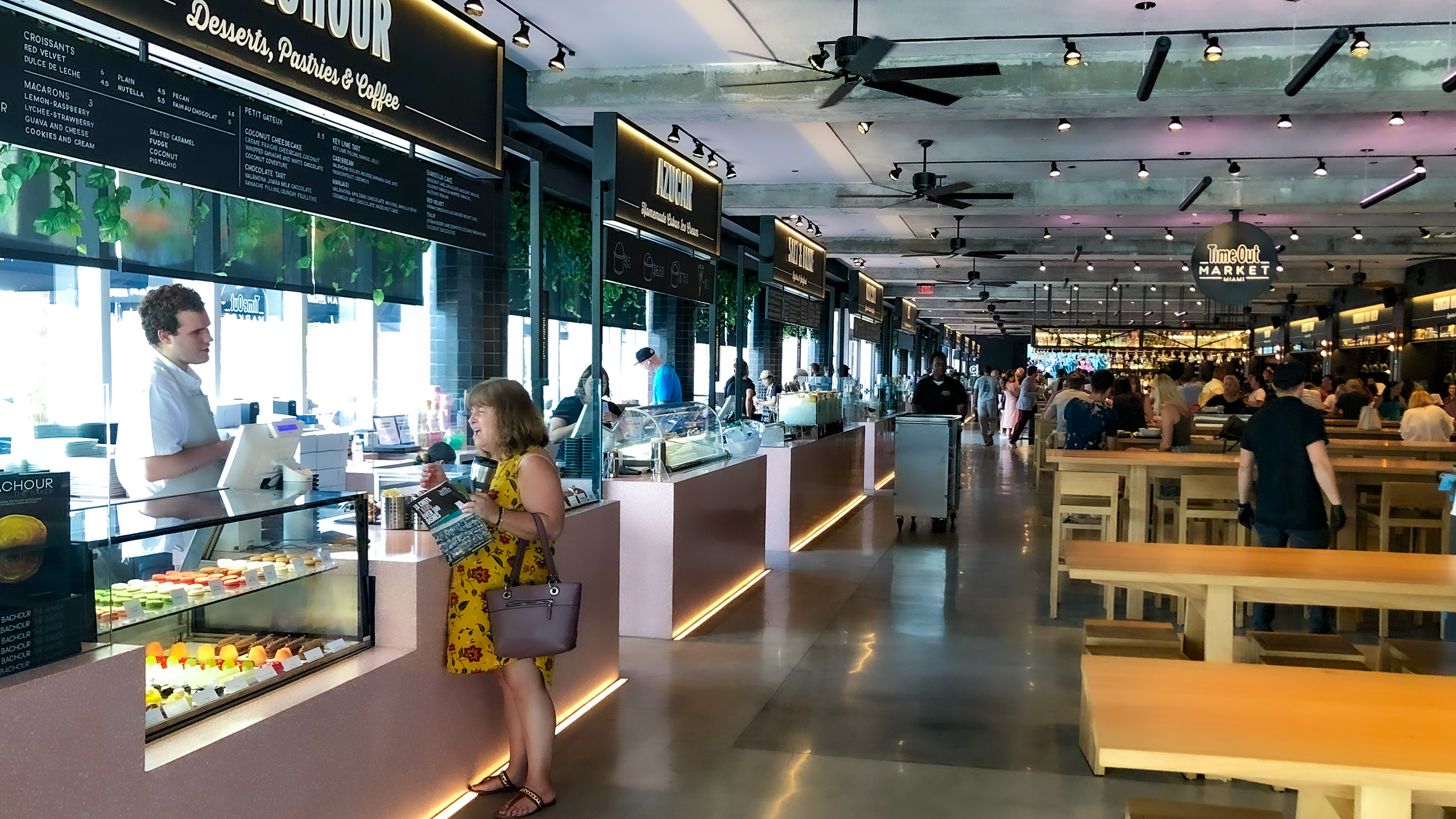
A food hall might seem similar to a sidewalk filled with cafes because there are multiple restauranteurs in both settings, but there's a big difference beyond the former usually being indoors and the latter being on the sidewalk. A sidewalk cafe is a place you might go regularly because they serve a favorite dish of yours. A food hall, on the other hand, tends to be filled with outposts of new restaurants in town serving their latest offerings in hopes of you coming to their main location soon. So while you might revisit your "old faithful" dish at a sidewalk cafe you frequent, a food hall is more of a culinary exploration of things you might never have tried before.
Meeting Hall
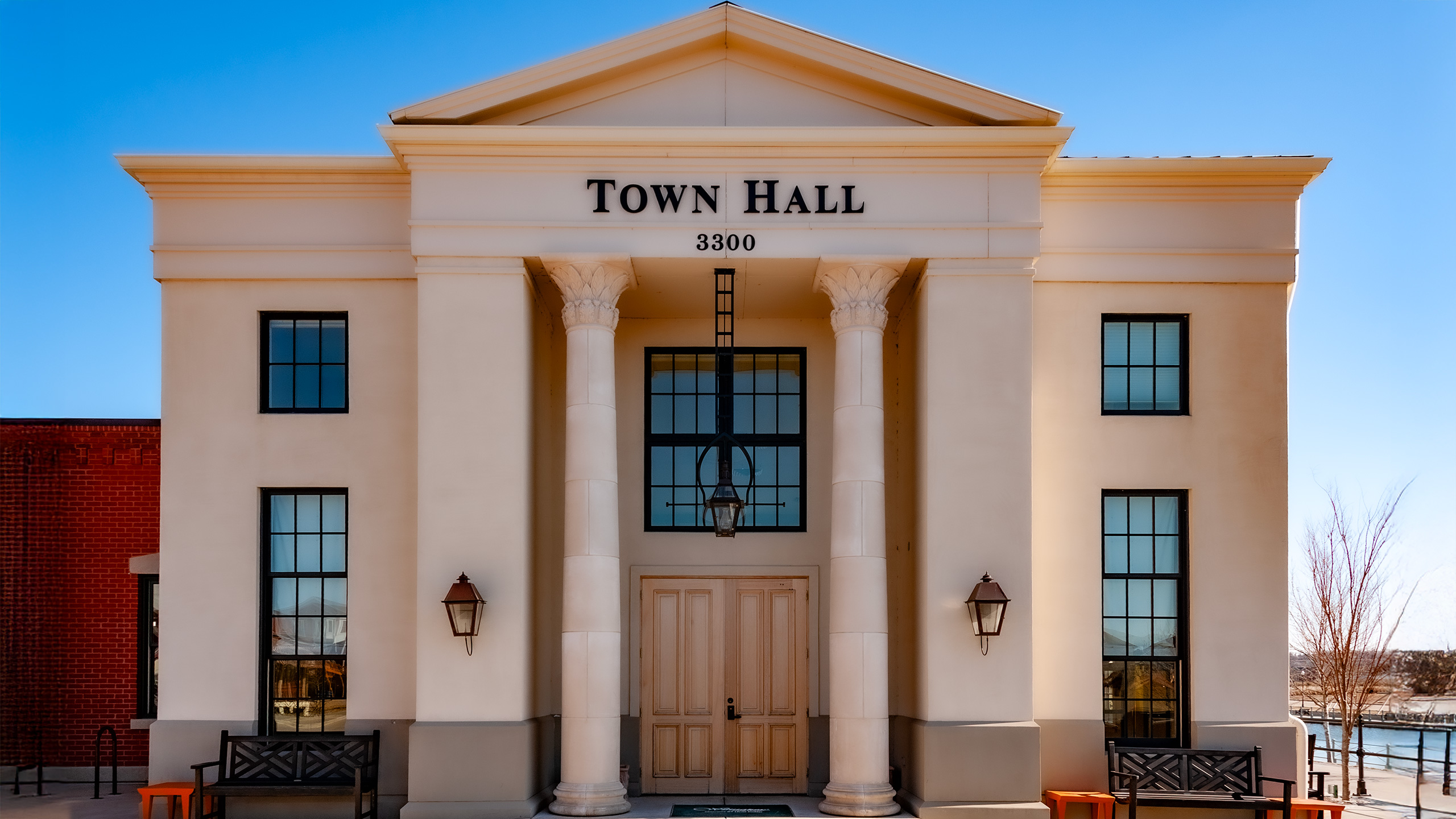
Meeting hall discussions can often get contentious. As a matter of fact, they usually do because a meeting is rarely called so everyone can just sing Kumbaya. But people meeting to do the hard work of moving a community forward has a way of bonding us, so long as the contention stays civil. And we owe it to ourselves individually and as a community to have good-neighbor discussions.
Place of Contemplation
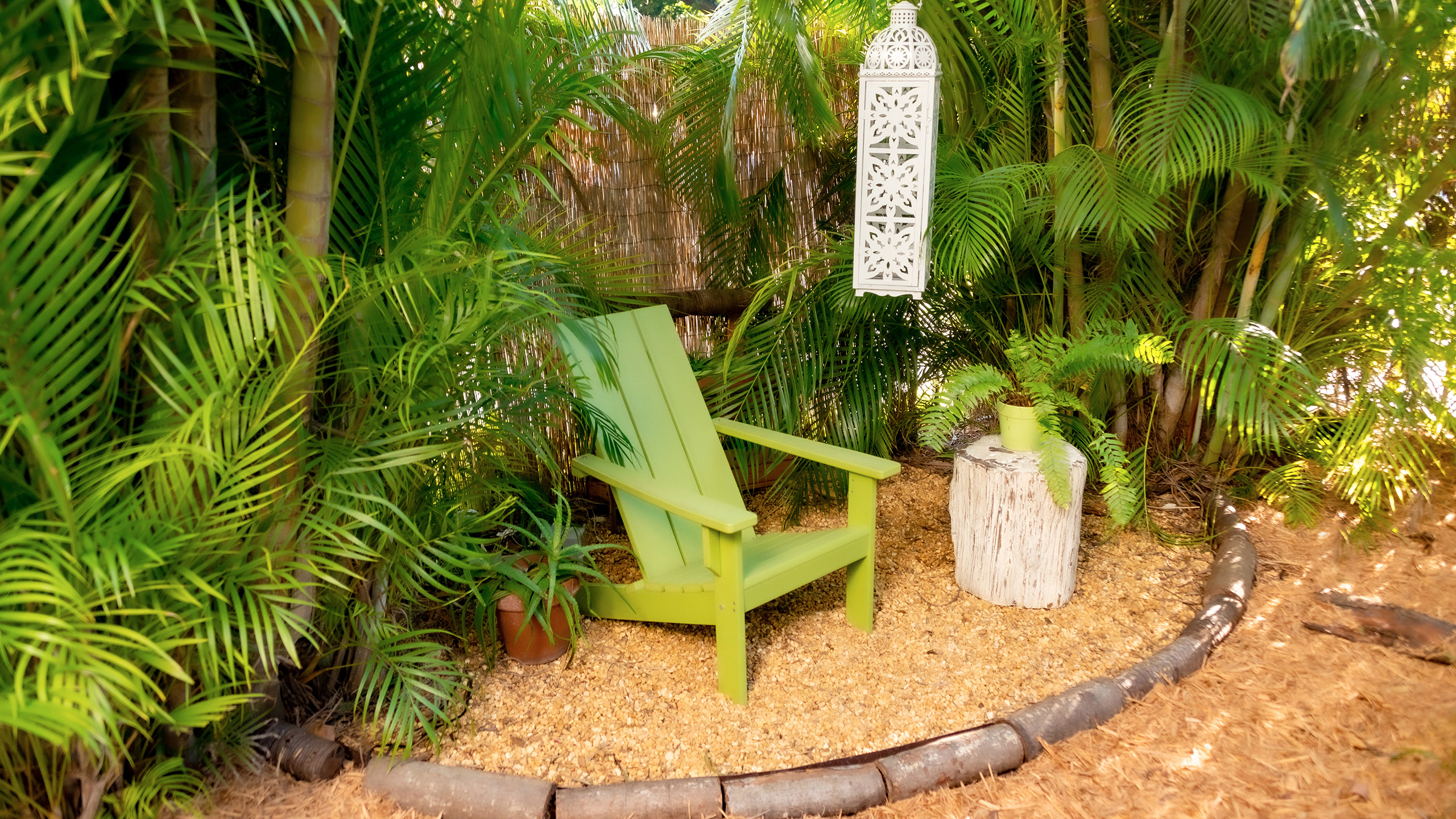
A Place of Contemplation, sometimes called a Meditation Garden, is a place where one person can quietly settle their mind and focus on important things without all the normal distractions. This one opens to a somewhat longer view, but some would appeal for more enclosure to limit visual (and auditory) interference.
Promenade
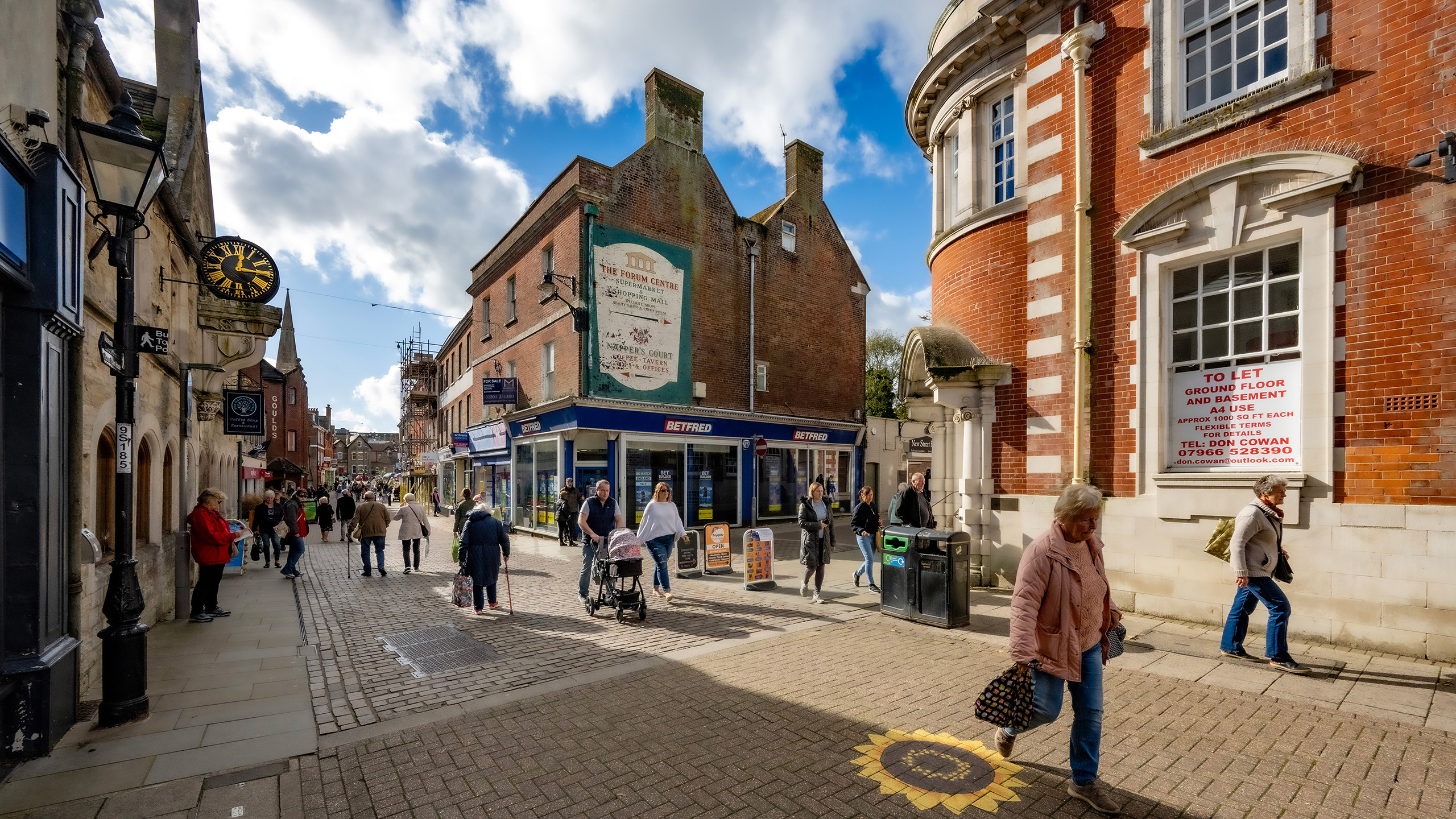
A promenade is a strolling place, often with nature on one side like along a waterfront with urbanism on the other side. It may also be along an Open Street like this one with urbanism on both sides. Either way, it is a place to see and be seen. A promenade may be fronted with many uses, but they tend to be more enjoyable and less utilitarian. People don't typically, for example, buy a quart of oil on a promenade.
Secret Garden
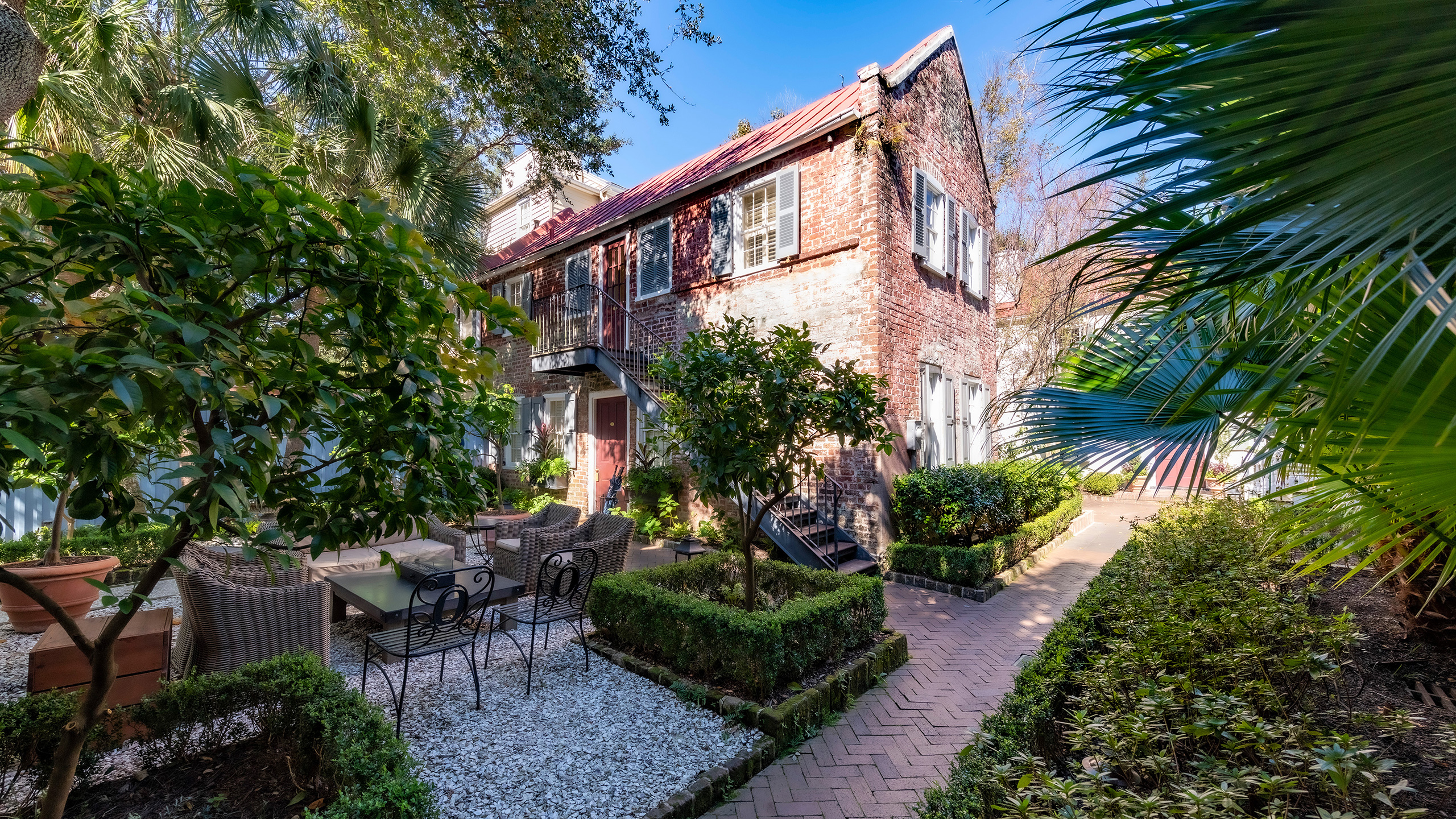
There are similarities between a Secret Garden and a Place of Contemplation, with the difference being the entry sequence. A Place of Contemplation is a place for only one person, but the entry sequence may be obvious to anyone in nearby garden rooms. This Secret Garden is a classic, and I almost didn't find it because the entry sequence from the right took several tight and unexpected turns from the principal plaza of the inner-block outdoor rooms. But once Wanda and I discovered the Secret Garden, it was clearly designed as a place for a small group of people to enjoy, not just one person. Because how much fun is a secret if you can't share it with a friend or two?
Enjoyment Tools
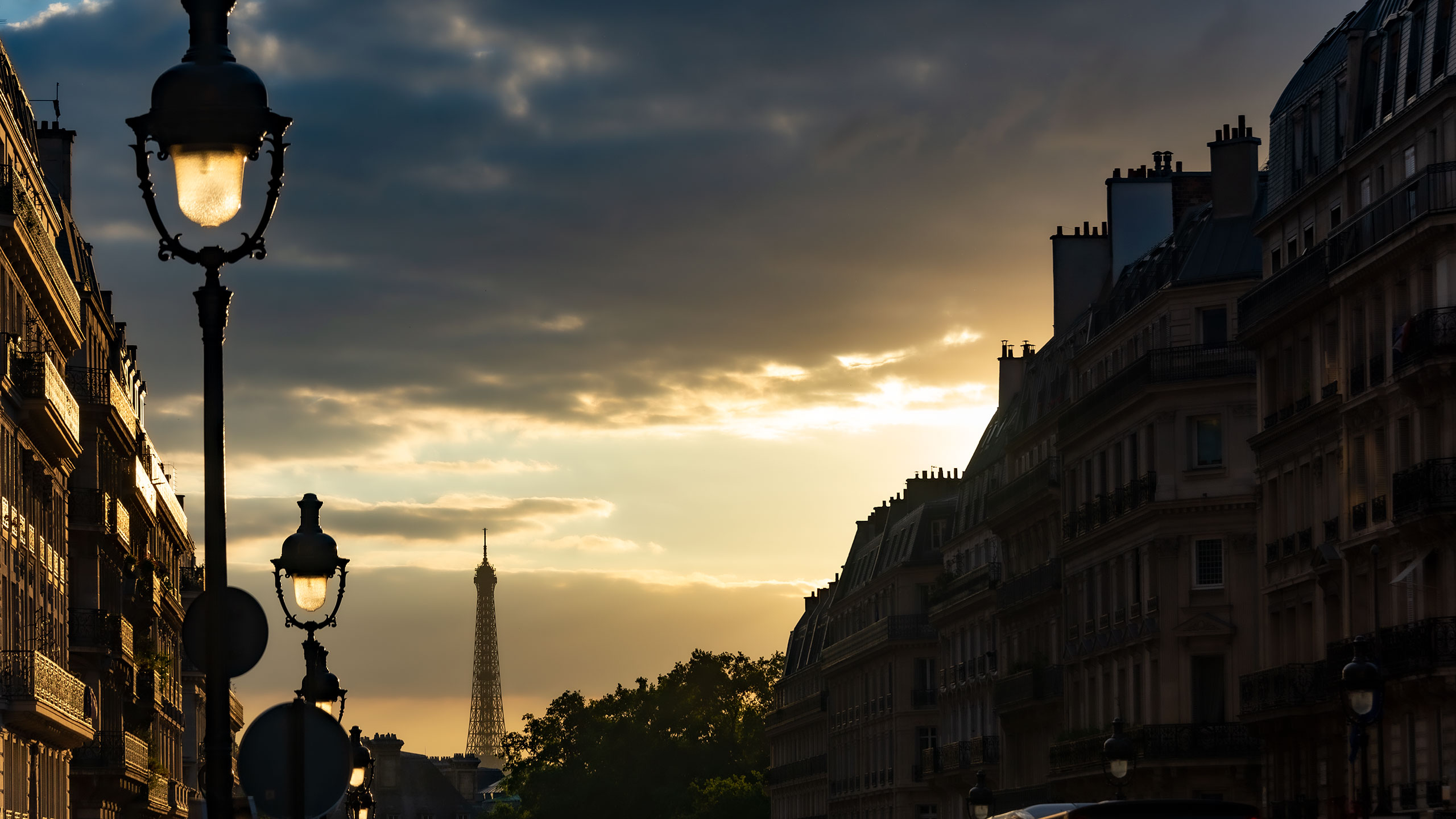
Enjoyment tools are to disciplines what enjoyment settings are to places. The tools include local music, local food and the farmers markets with local ingredients, local craft, local art, and the urbanism and programming which supports it.
Local Music
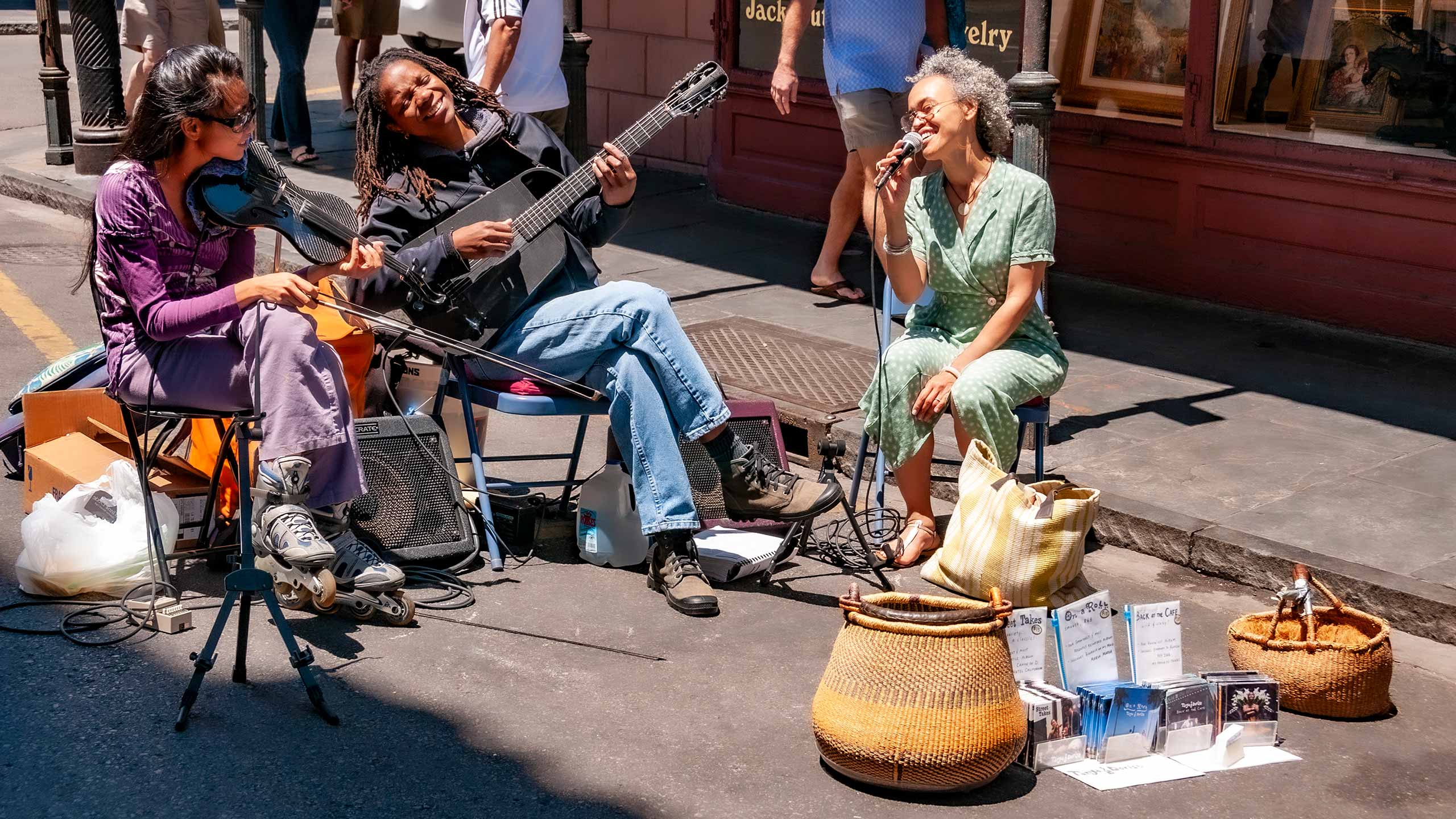
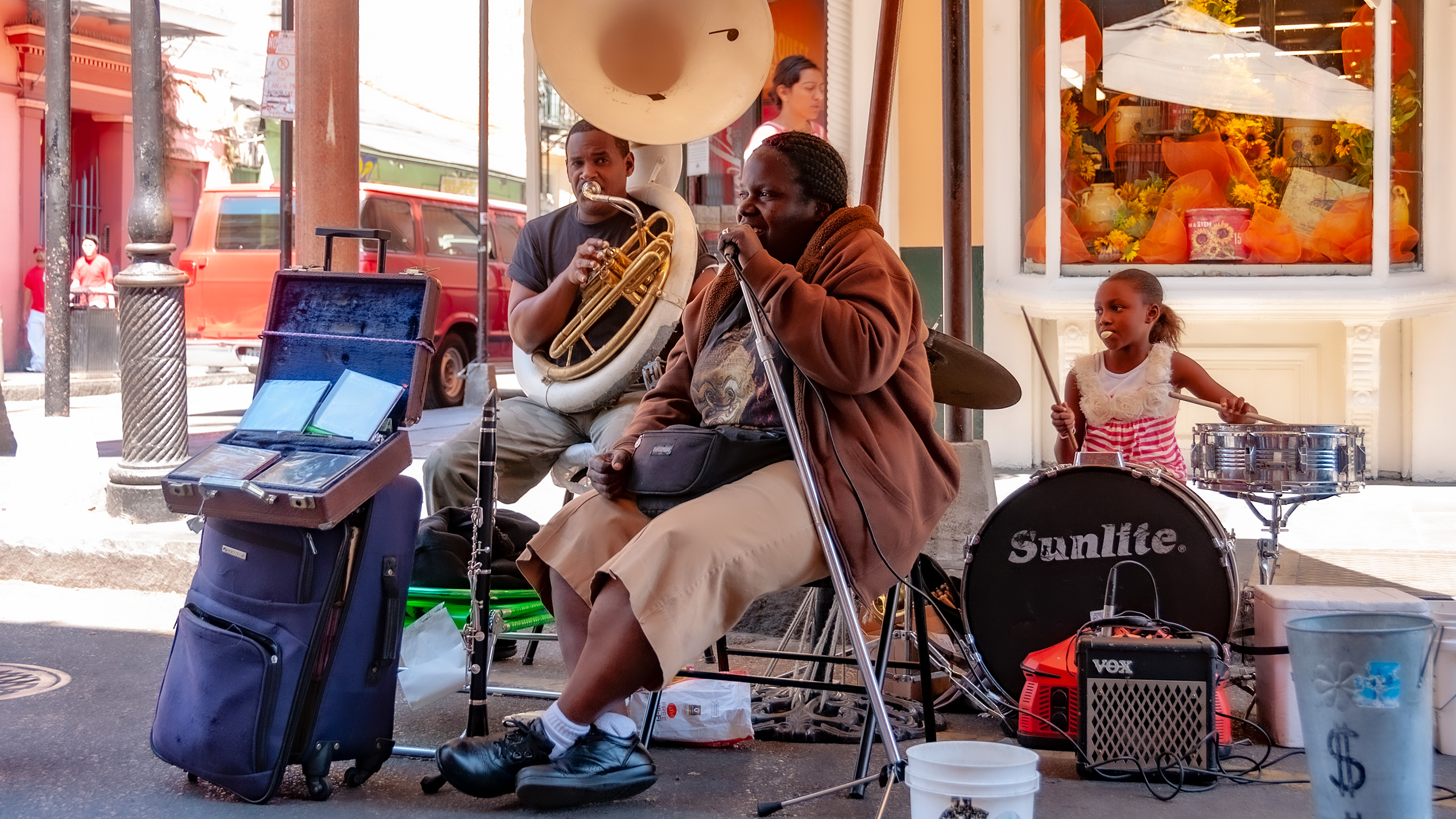
Work to attract fan-worthy musical acts to your streets. This is a family act of mother, father, and daughter who have been performing on this French Quarter street corner for so many years that the daughter is all grown up now. And every time I see them, they're surrounded by dedicated fans, of which I am one, and Wanda as well.
There is one step up, which is attracting acts to off-street venues, and I don't know anyone who has done a better job than South Main in Buena Vista, Colorado. South Main is on the south end of Main Street, one of those rare places where the place name actually means something. And that south end is where Main Street meets the headwaters of the Arkansas River and its world-class rapids. Both the Town Founders and several of their high-level staff are X-Games competitors, someof which are champions. So with a mostly-young crowd, music is a major part of the South Main vibe.
The settings began mostly at South Main, with Buena Vista nearly a ghost town when South Main started. But in recent years, South Main has done such a great job bringing in talent that several of their acts, both at South Main and further up Main Street in downtown Buena Vista, first hit the big time as top acts in Denver, a 3-hour drive away. And downtown has experienced an amazing renaissance, thanks in large part to the local music, which now drives a lot of other local excellence as well.
If people dedicated to their craft can pull off such a transformation in a near-ghost-town, you can too, don't you think?
Local Food
There is, and rightfully so, much concern about GMOs (Genetically Modified Organisms) which are found throughout the industrial food chain. They are necessary to industry for several reasons, including the fact that because the industrial food chain depends on insanely low wages to deliver food at everyday low prices, hand-tended food like most fruits and vegetables cannot be grown nearby in countries with minimum wage laws. So a tomato coming from Panama to Pennsylvania must be genetically modified to be tough enough that it can be jostled around in the back of a refrigerated truck for several weeks without turning into red mush. Never mind the fact that it tastes more like moist wood fiber than an actual tomato.
Local food, on the other hand, need not touch the industrial food chain because it comes from nearby, so the local tomatoes can be heirloom varieties which have been delicious in these parts since at least your great-grandparents' day. And because many people tend to value delicious over cheap and tasteless, those local farmers who never touch the industrial food chain can actually earn a fair wage because the dollars spent by those enjoying the fruits of their work mostly don't leave town.
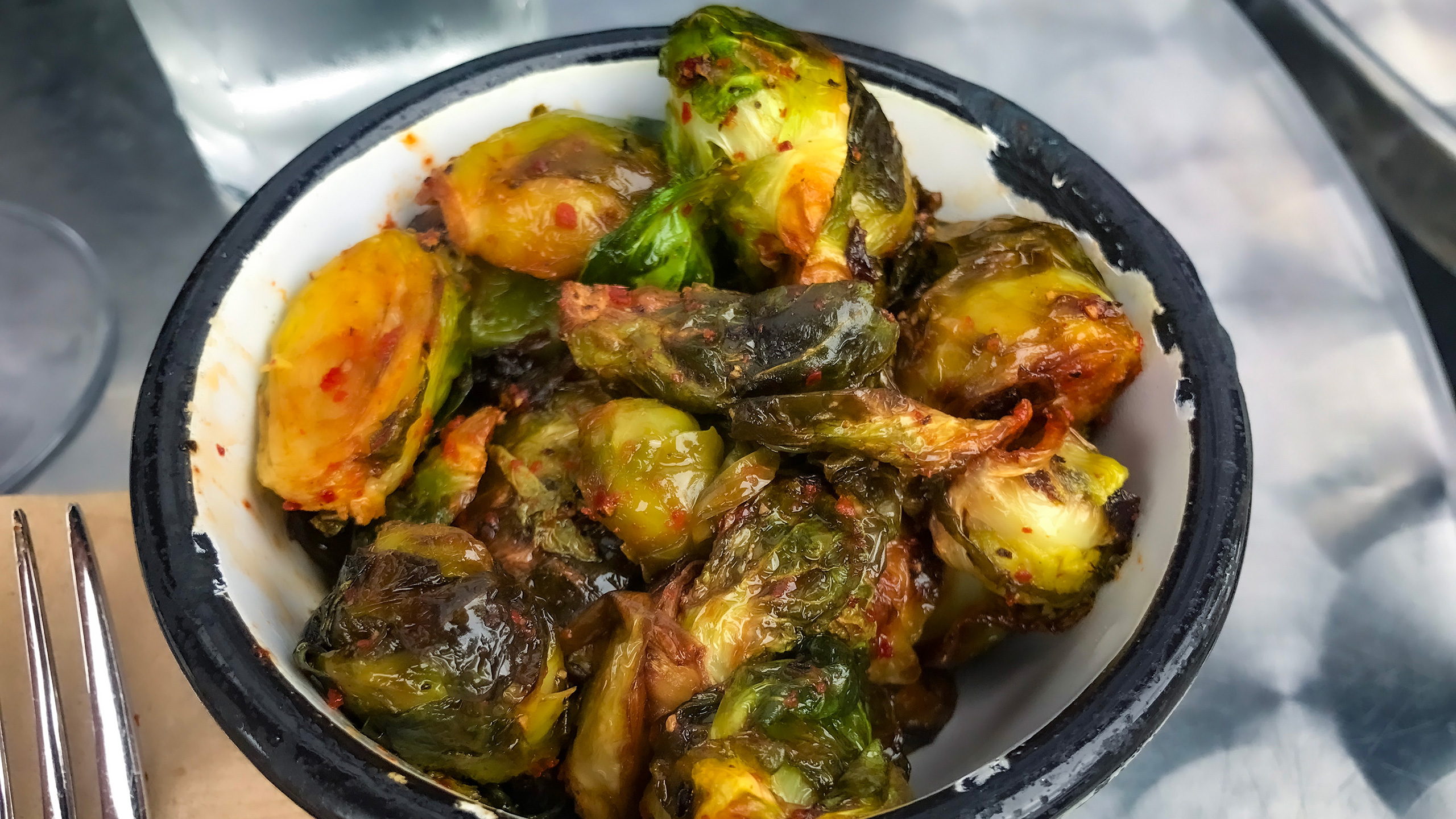
That's the technical side of local food; here's the delicious side: if you transform your town into a foodie destination based on local food, local chefs tend to get really creative in pushing the local cuisine forward, like this sauteed Brussels sprouts dish from Cochon Butcher in New Orleans, which were the best I've ever tasted, and nothing like Grandma's Brussel sprouts. Nothing against Grandma, but let the chefs cook!
Farmers Market
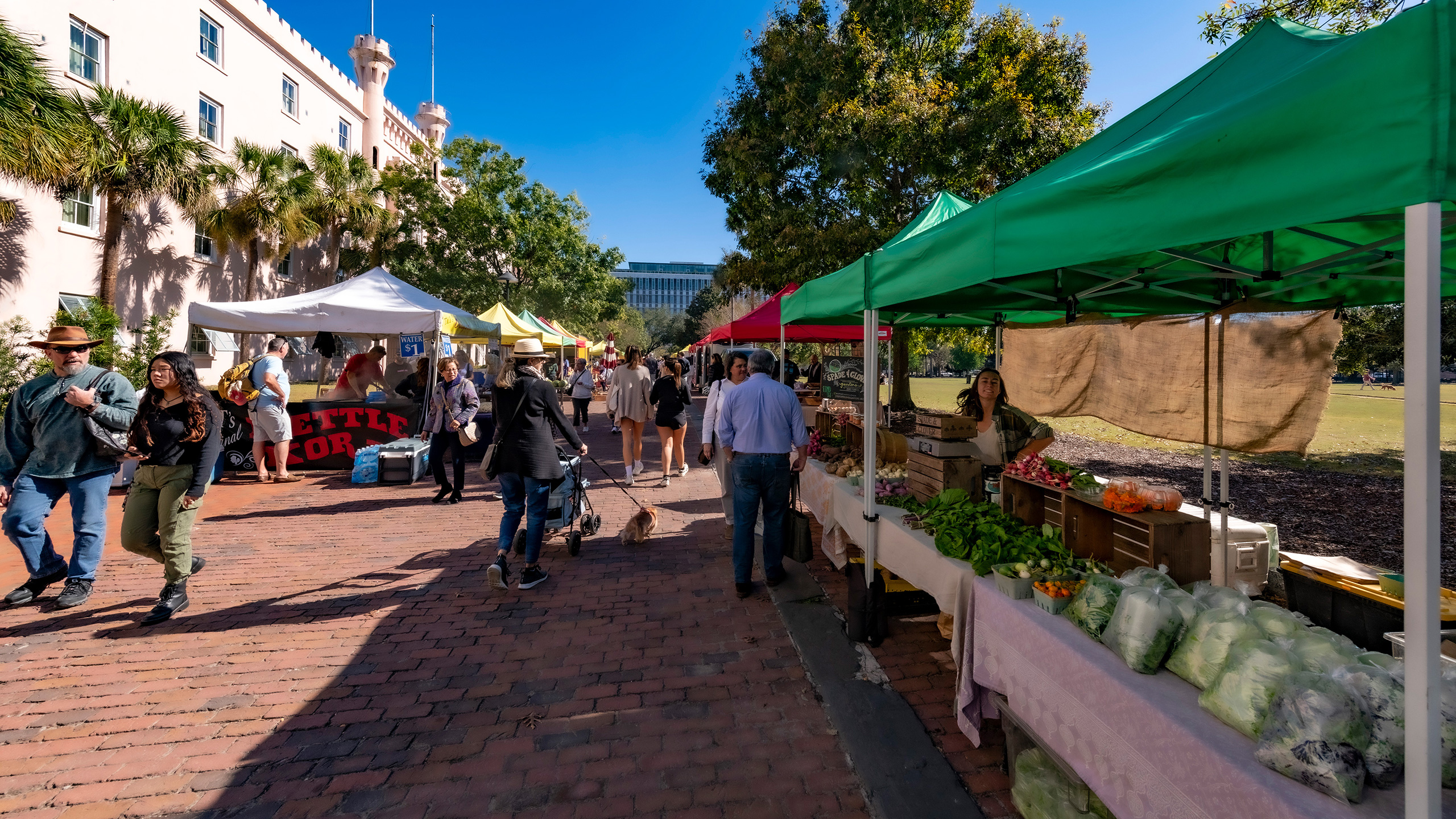
Local chefs aren't the only ones who can cook; you can, too! But if you want to participate in the local food scene, you need a farmers market where you can buy local produce, delicacies, and proteins.
Many towns assume that they need only a single farmers market, but that's not enough in a robust foodie place. It's not uncommon for neighborhoods to have their own farmers market so everyone can walk or bike to their market instead of having to drive halfway across town.
Local Craft
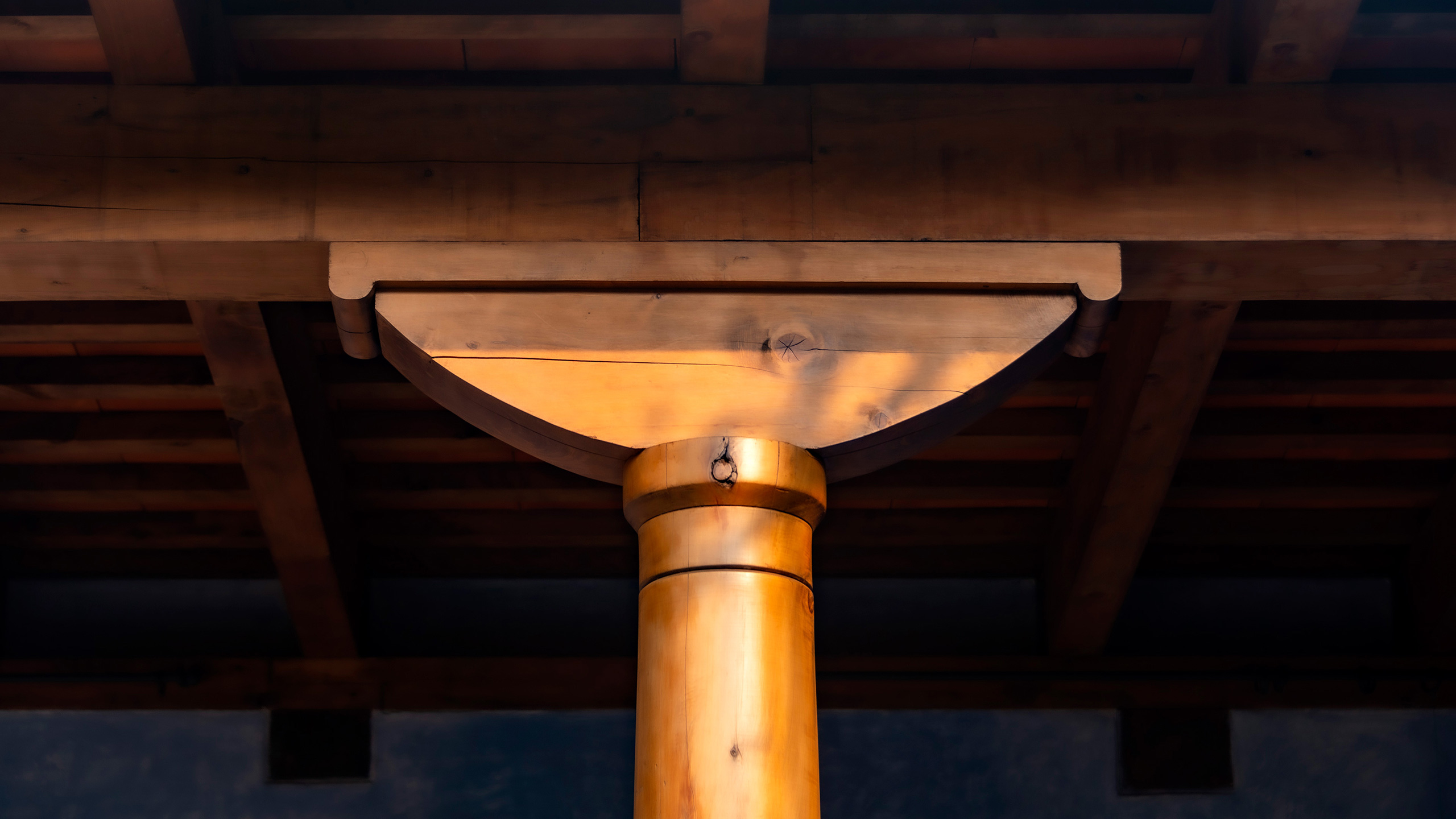
This is an Antigua Guatemala gallery capital, both Shaker-like in its simplicity and highly elemental, composed primarily of two radial profiles. This is what the Vernacular Mind can do with earthy local traditions. And because a vernacular tradition is by definition a living tradition, local craft continues to evolve over time in response to both local conditions and cultural changes. What a joy to see local craft taking on a life of its own and maturing through the years!
Local Art
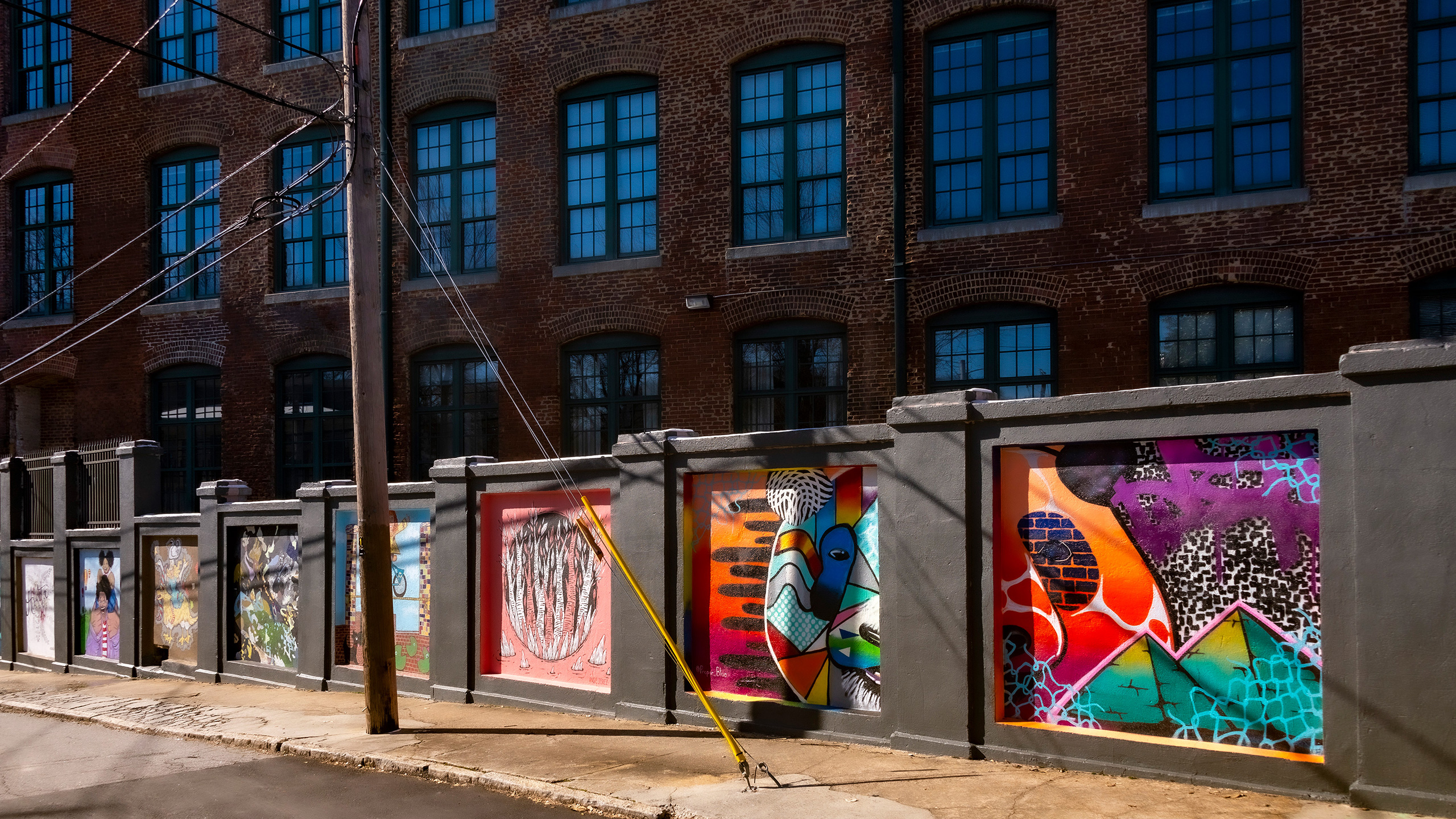
This is a garden wall screening private courtyards outside the mill-turned-lofts building in Cabbagetown, an Atlanta mill village that has been recovering from serious disinvestment for years. The garden wall was boring, until Cabbagetown got a great idea: let local artists come in once a year and do murals on the wall panels. This not only makes the streetscape more interesting, but helps promote the work of the artists and attracts people to walk by and check out this year's new murals. Do similar things to help your local arts community.
Arts & Entertainment District
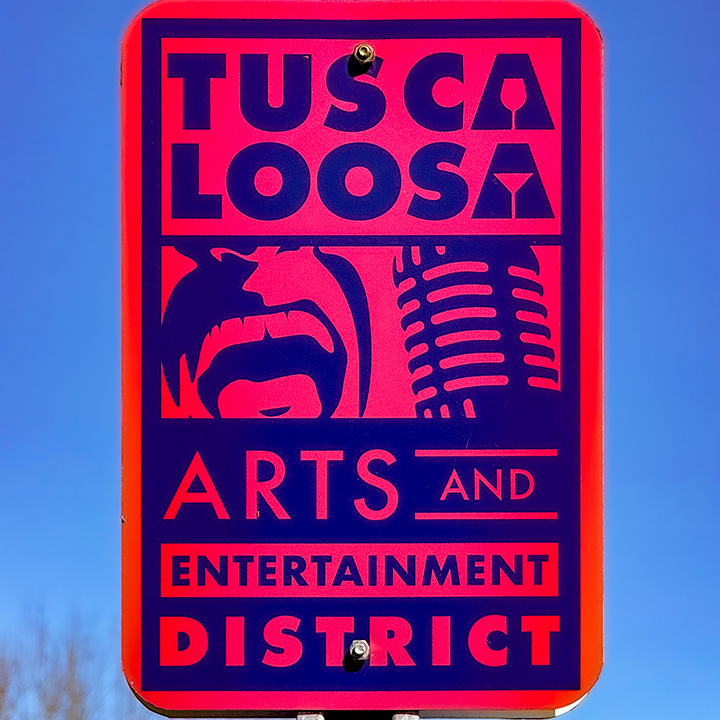
Many cities have entertainment districts, which get interpreted as "that's where you can get drunk in public." Tuscaloosa takes a different approach, which their graphics confirm, with ARTS being triple the size of ENTERTAINMENT, as you can see.
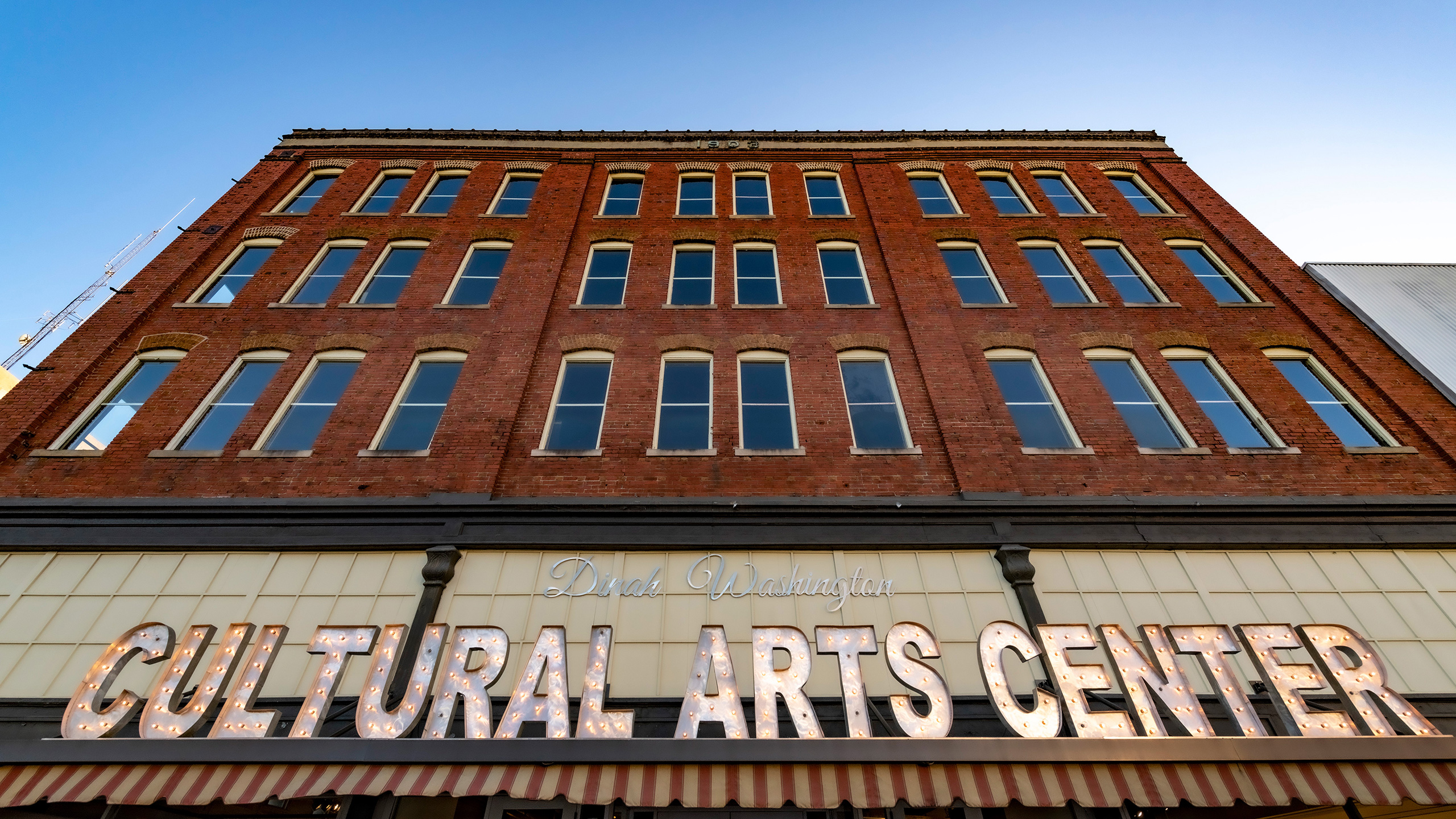
And they back it up with the Dinah Washington Cultural Arts Center and a number of galleries and artist studios downtown. And then there's the Art Walk on the first Friday of each month; we're regulars, and it's both pleasant and also eye-opening, as it's not just the same old stuff in each gallery. Couple that with the thriving art scene just across the river in Northport, and there are numerous studios and galleries in this arts epicenter.
Tales & Tools
These ideas support the Enjoying Society foundation of the Original Green. The Tales are on Original Green Stories, while the Tools are in Original Green Resources. Several of these ideas support other ideals, foundations, and the Living Tradition Operating System because the Original Green is massively interlinked, so you'll see them listed wherever appropriate.
Cheapways
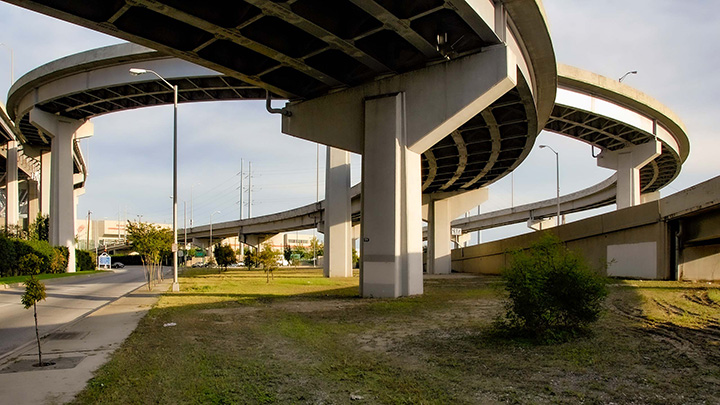
John Mellencamp sang in his 1983 hit song "Pink Houses" about a man with "an Interstate runnin' through his front yard." It's hard to imagine a less joyful setting, but that's what cheapways have done for us. By letting freeways into the city where they never should have been, they killed billions in real estate value and killed a lot of joy.
Disinvestment Recovery
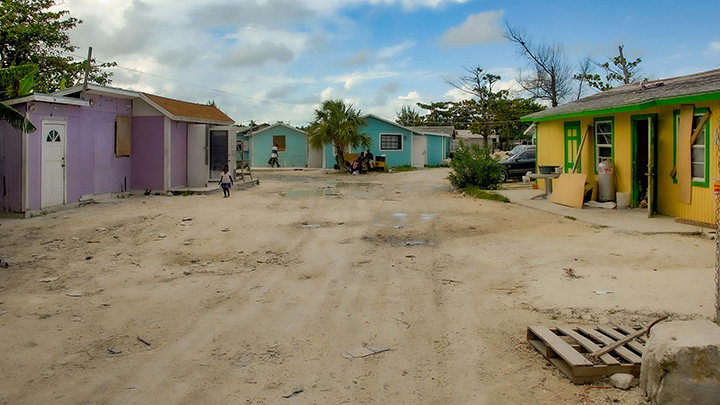
Few tools have the ability to move a place from hopelessness to joy more quickly than recovering from a long history of disinvestment. But if that joy is to be enduring, it is essential to manage the process in such a way that the original residents don't have to leave because of quickly-increasing prosperity.

Living Traditions
Few places, buildings, or things bring more joy to most of us than those which emerge from living traditions that have been claimed by the people as their own, and there are many tools that support them, such as Town Founders, Town Architects, Pattern Books, and design and construction guilds.

Outdoor Rooms
Wanda and I are writing a book on outdoor room design; those rooms have many benefits, including the joy of spending time surrounded by nature. And not just plants, but also water in its many forms from pools to fountains, breezes stirring the curtains, and the many small creatures inhabiting the rooms and its borders.

Outdoor Room Secrets
The previous post is on the outdoor room design book we're writing; this post contains many of the principles, tools, and techniques that led up to the book and that will be included therein. I call them "secrets," not because they're protected in some way, but because it's basic stuff everyone building outdoor rooms should already know.

Single-Crew Workplaces
Tiny Single-Crew Workplaces finely-distributed across town providing a wide range of products and services make taking care of our everyday needs a joy compared to shopping in an environment of auto domination and traffic jams. And shopping local often comes with exercise by walking or biking.
Sitting Lightly on the Land
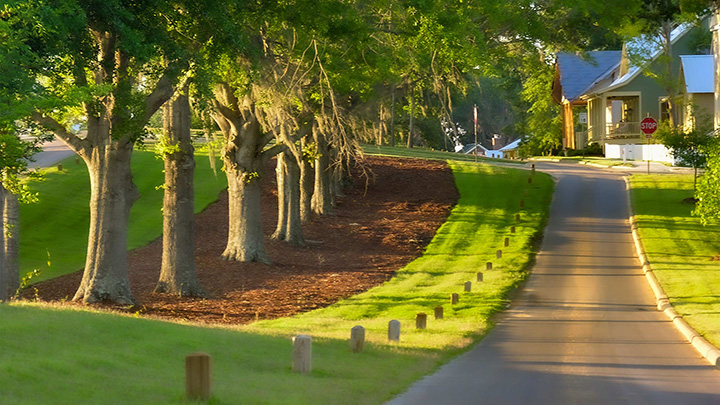
One of the most joyful experiences in a place is to feel like the landscape is timeless. A planner can design on rolling land to preserve as much of the existing topography as possible, preserving existing trees and waters as well. This can save a few $million in grading expense and give future residents a far more interesting place to live and work.

Sky Method
I developed the Sky Method of development based on an ancient pattern dating back to antiquity, of which Pienza, Italy is a great example. It has many benefits, but one that shines is that by essentially making all landowners development partners, there is no NIMBY backlash against new development; a far more joyful process.

Sky Method Background
The Sky Method link above is to the initiative, which has a slideshow illustrating in detail how it works. This post lays out the the background from which it was developed, including the history of the method from antiquity to more recent centuries, and the curious name. What is Sky, anyway?
The Ecological Dividend
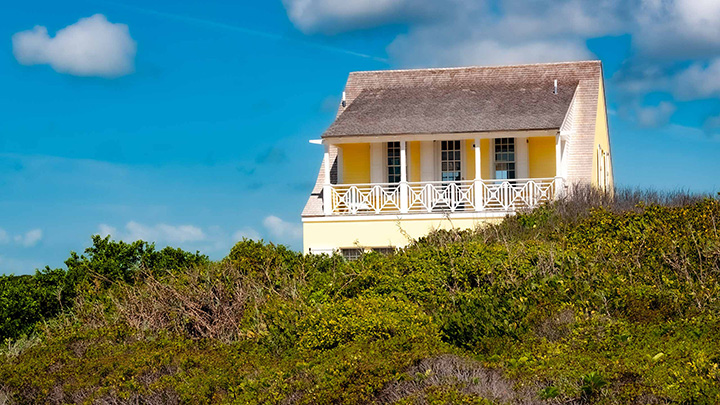
The Ecological Dividend, a new town or neighborhood development tool developed by legendary Bahamian developer Orjan Lindroth, is all about finance at first glance, but by connecting to and drawing us into natural processes in profound ways, the resulting places tend to be far more joyful than those developed conventionally.

The Speed Burden
Renaissance Florence on the left changed the world on low-speed streets, while the Atlanta interchange on the right is all about high speed, and Florence still provides joy and delight to many on those same streets. But ask yourself this: how much true joy is ever experienced by driving through a high-speed interchange?

The Teddy Bear Principle
Katrina Cottages clearly demonstrated their lovability with strong ties to nature we can all understand by looking at our baby pictures, then in the mirror. Facial proportions of humans and other mammals change from infancy to adulthood, beginning with the most endearing appearance in infancy, likely for preservation of species.
Walk Appeal
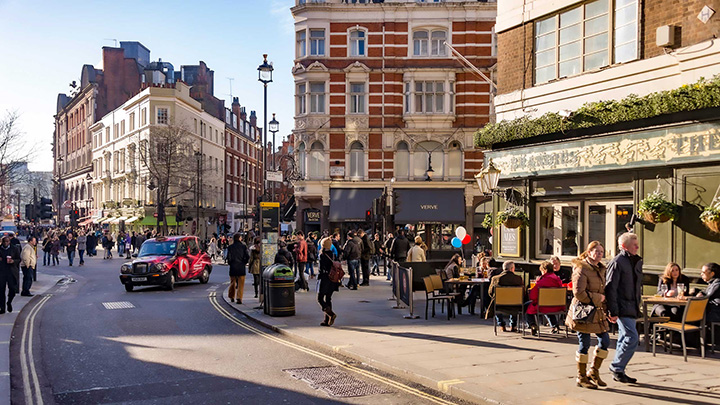
Few conditions in urbanism are more based on joy than Walk Appeal, which asks the question "is this a joyful place to walk?" And Walk Appeal has a deep toolbox of principles, conditions, indicators and tools to assist in going beyond the old standard of walkability ("walk"-"able") and move to the higher standard of Walk Appeal.
Walk Appeal Development
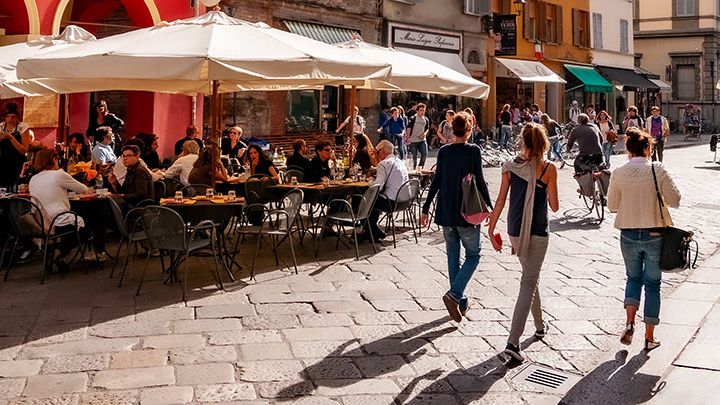
For urbanism geeks only! If you're interested in the development process of the Walk Appeal idea, begin with this post. You'll find links at the bottom to following ideas as they were developed over time, enriching the idea set to the point that it will hopefully become a book someday soon.

Why Love Matters
The places, people, and other creatures we love are major sources of joy for most of us. Architects want to debate the term "beauty," but love is the higher standard. Beauty can move us to admiration, as we have all experienced, but love moves us to action, demonstrating that it has higher power.
Search the Original Green Site
Buy the Original Green book on Amazon

Rather Buy Indie?
Contact Sundog Books at Seaside, which is our favorite bookstore ever!
Speaking
I speak on the Original Green across the US and abroad. Would you like for me to speak (via Zoom these days) at your next event?
Got an idea?
If you have an idea for a story, or know about work we need to feature...
Subscribe
... to receive periodic Original Green news releases. Here's our full Privacy Policy, where you'll see that we will not share your info with anyone else, nor will we sell it to anyone. All three fields required.
Home
Origins
Foundations
Nourishable Accessible Serviceable Securable Lovable Durable Adaptable Frugal Education Economy Culture Wellness
Resources
Original Green Scorecard Initiatives Presentations Reading List Quotes Links Tweetroll
Stories
OGTV
Media Room
Bios Press Speaking
© 2021 Mouzon Design, Inc.